How Hongkong Post can ensure it’s not boxed out of the future
The great debate about what to do with Hongkong Post has begun. There will be many twists and turns before we know the final outcome, but one thing is clear: it is vital to keep the staff on board at every step. We ultimately want to have an organisation of committed professionals running a world-class outfit. Early indications are that there could be problems. We are here because of a sharp…
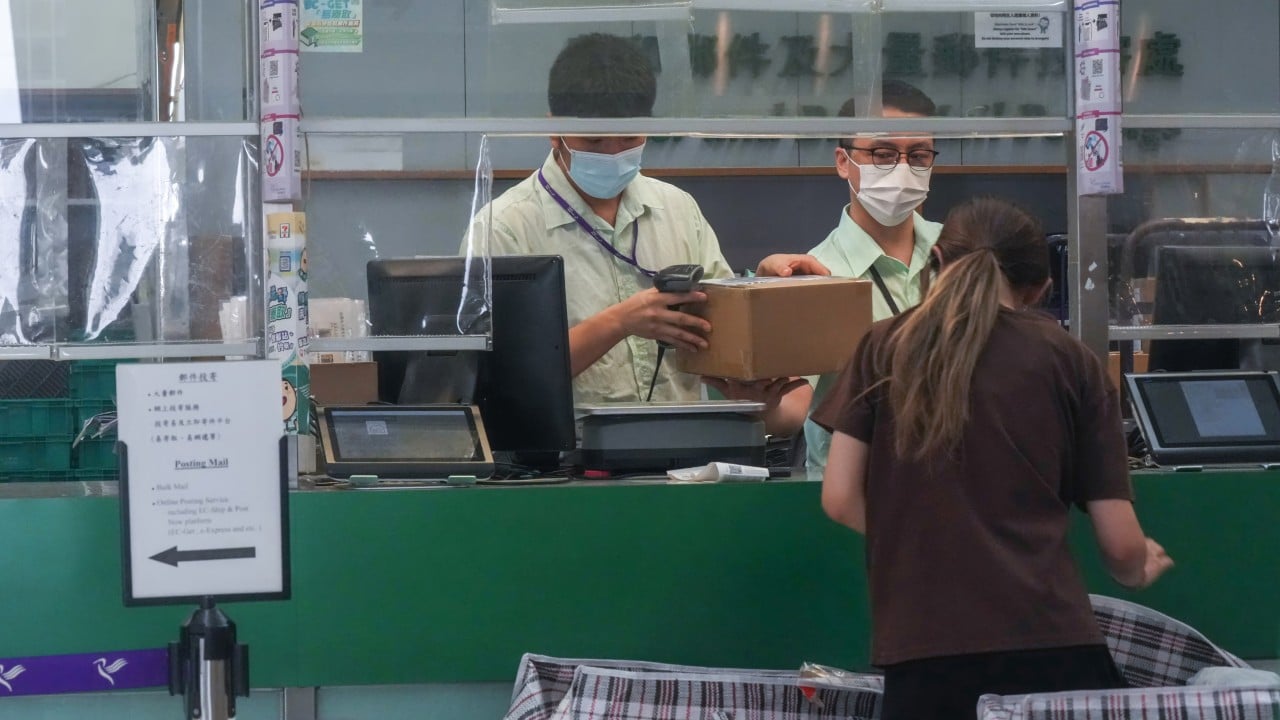
The Hongkong Post faces a significant challenge in determining its future role in the changing landscape of postal services. The financial situation has deteriorated sharply since 2017-18, with losses exceeding HK$300 million in the past three years alone. This leaves the postal service with a total loss of HK$2.9 billion over the past eight years. To maintain operations, the Legislative Council recently approved a HK$4.6 billion capital injection for the next three years.
The post office's decline can be attributed to the shift in communication patterns, with more people opting for digital communication rather than traditional mail. This trend has significantly impacted mail volumes, making it difficult for the postal service to sustain its revenue streams. Historically, the post office relied on philatelic sales to offset shortfalls in other areas, but the era of stamp collecting has come to an end.
The future scenarios being considered include wholesale privatization, corporatization, or reverting to a normal government department status. While private courier firms have thrived, the idea of completely removing the government from the equation is deemed politically unfeasible. Maintaining relationships with other postal jurisdictions is crucial, necessitating government involvement. Consequently, corporatization or operating as a regular government department are the only viable options.
Regardless of the chosen path, taxpayer support will be necessary to ensure the post office runs commercially sensibly. This could involve cutting costs, boosting revenue, or a combination of both. However, given that 65% of the post office's expenses are on staff costs, any significant reduction will require staff cuts. This means closing some existing post offices, starting with those that are not frequently used. Although unpopular, this measure is necessary to reduce the cost of staffing a full-service outpost.
The four primary elements of a postal operation are selling stamps, conveying envelopes safely to sorting offices, sorting the mail, and delivering it to addressees. Steps two to four necessitate the presence of vetted, reliable staff. Selling stamps can be achieved through self-service vending machines or convenience store outlets, leaving only a few fully staffed post offices. Reducing the number of such offices will be unpopular but essential to cut staffing costs.
Another way to improve financial health is by charging appropriately for services. The current local letter delivery charge of HK$2.40 is far below the actual cost. Increasing this to HK$5, with annual reviews, would be a reasonable approach without causing significant social harm. Adopting this pricing strategy would gradually restore the post office's financial health and reduce the taxpayer burden.
However, staff implications must be carefully managed. Any reduction in overall numbers should be achieved through natural wastage or a voluntary redundancy scheme, rather than limiting probation periods to limited-term contracts without guaranteed permanent status. This approach, while cost-saving, risks damaging trust and could be seen as unethical. It is essential to treat staff honorably to maintain a committed workforce dedicated to running a world-class postal service.
Written by urgent.news from South China Morning Post - Hong Kong's reporting — not their text. Machine-written — may contain errors; check the original before relying on it.
This story
This is one outlet's version. Read the fullest account.