How Hongkong Post can ensure it’s not boxed out of the future
The great debate about what to do with Hongkong Post has begun. There will be many twists and turns before we know the final outcome, but one thing is clear: it is vital to keep the staff on board at every step. We ultimately want to have an organisation of committed professionals running a world-class outfit. Early indications are that there could be problems. We are here because of a sharp…
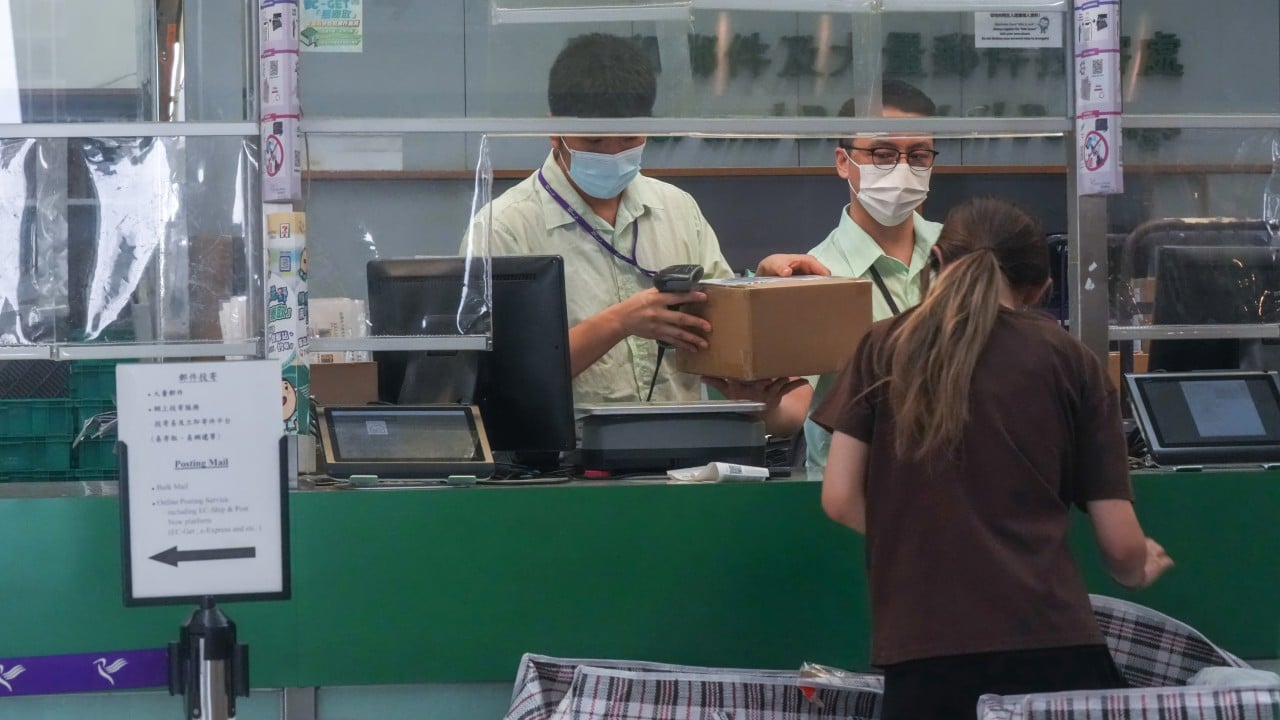
The future of Hongkong Post hangs in the balance as the organization faces mounting financial challenges. In recent years, the post office has suffered losses totaling HK$2.9 billion over the past eight years, prompting the Legislative Council to approve a HK$4.6 billion capital injection to sustain operations for the next three years. This financial strain stems from a sharp decline in mail volumes, as people increasingly rely on email and other electronic communication.
One of the key issues facing Hongkong Post is the shrinking revenue from philatelic sales. In the era of screens and electronic games, it remains uncertain whether children will continue to collect stamps with the same enthusiasm as previous generations. This shift in behavior could further exacerbate the post office's financial woes.
Options for the future include wholesale privatization, corporatization, or reverting to a normal government department status. While private courier firms have proven successful in running profitable businesses, converting the entire postal service to a private entity might not be politically palatable. Maintaining relationships with other postal jurisdictions and ensuring the continued provision of essential postal services are considerations that cannot be ignored.
Whichever route is chosen, some form of taxpayer support will likely be necessary. The post office's spending on staff costs makes up 65% of its total expenses, so meaningful cost reductions will require staff cuts. This could involve closing underutilized post offices, particularly those with low foot traffic. While this may not be popular, it is a necessary measure to reduce staffing costs.
To improve the post office's financial situation, it is proposed to charge more for services such as local letter delivery. Currently, the fee of HK$2.40 is far below the actual cost, and a gradual increase to HK$5 with annual reviews is suggested. This approach aims to generate additional revenue without causing significant social harm.
Another potential avenue for revenue enhancement is to streamline the service by selling stamps through self-service vending machines or convenience store outlets. While this would reduce the need for fully staffed post offices, it is crucial to retain a limited number of these locations to ensure customer accessibility. The core components of a postal operation—selling stamps, safe transmission, efficient sorting, and timely delivery—should continue to be carried out by vetted and reliable staff.
Ultimately, the challenge lies in finding a balance between cost reduction and staff management. Any reduction in overall numbers should be achieved gradually through natural wastage and voluntary redundancy schemes, rather than through forced layoffs. Implementing a program that promotes trust and goodwill among employees is essential to maintaining a productive workforce.
Despite the challenges, there is hope that with careful planning and strategic decision-making, Hongkong Post can restore its financial health and continue to serve the community effectively. The road ahead may be difficult, but with a commitment to excellence and a focus on sustainability, the post office can navigate the future successfully.
Written by urgent.news from South China Morning Post's reporting — not their text. Machine-written — may contain errors; check the original before relying on it.