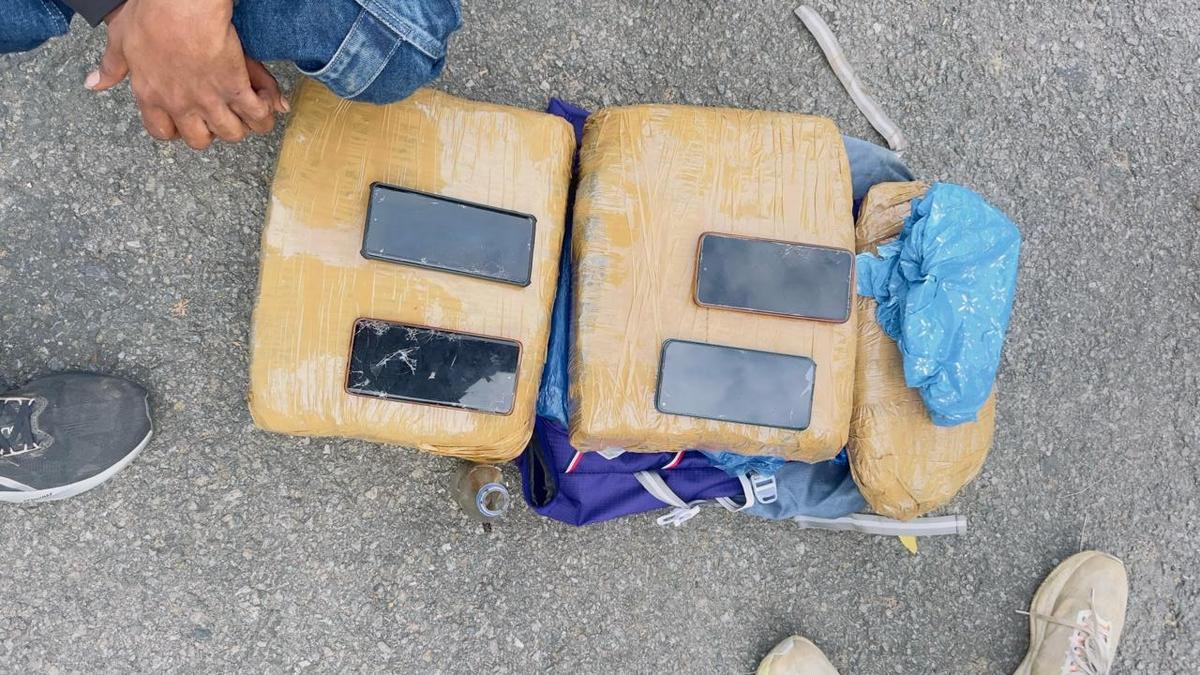
FBI busts 3 India-based call centers posing as Social Security staff, tied to $50M ripped from Americans. How it worked

The FBI, local police and Indian authorities have dismantled a major scam operation in India that duped Americans out of nearly $50 million. The FBI Baltimore Field Office, Montgomery County Police Department and Montgomery County State Attorney's Office revealed that they linked these scams to large-scale call centers in India, which had been preying on Americans since 2022.
According to the FBI, around 660 individuals in the U.S. reported falling prey to government impersonation and tech support scams originating from these call centers, leading to losses of $48,778,230. Maryland alone saw nearly two dozen victims lose $6,257,869, averaging $260,744 per victim. The scam begins with a seemingly official email from the Social Security Administration, warning victims that their Social Security numbers have been suspended due to criminal activity.
Scammers then request payments in exchange for "protection" of the victim's finances, often requesting gold or cryptocurrency transfers. These scams primarily target older adults, who are more likely to lose large sums, and the scams have become increasingly sophisticated due to advancements in technology.
Written by urgent.news from Yahoo Finance's reporting — not their text. Machine-written — may contain errors; check the original before relying on it.