Why the extremes of climate breakdown will continue to take us by surprise
The relentless heatwaves that have hit the northern hemisphere this summer have made the climate threat real for many – but preparation and adaptation will take us only so far
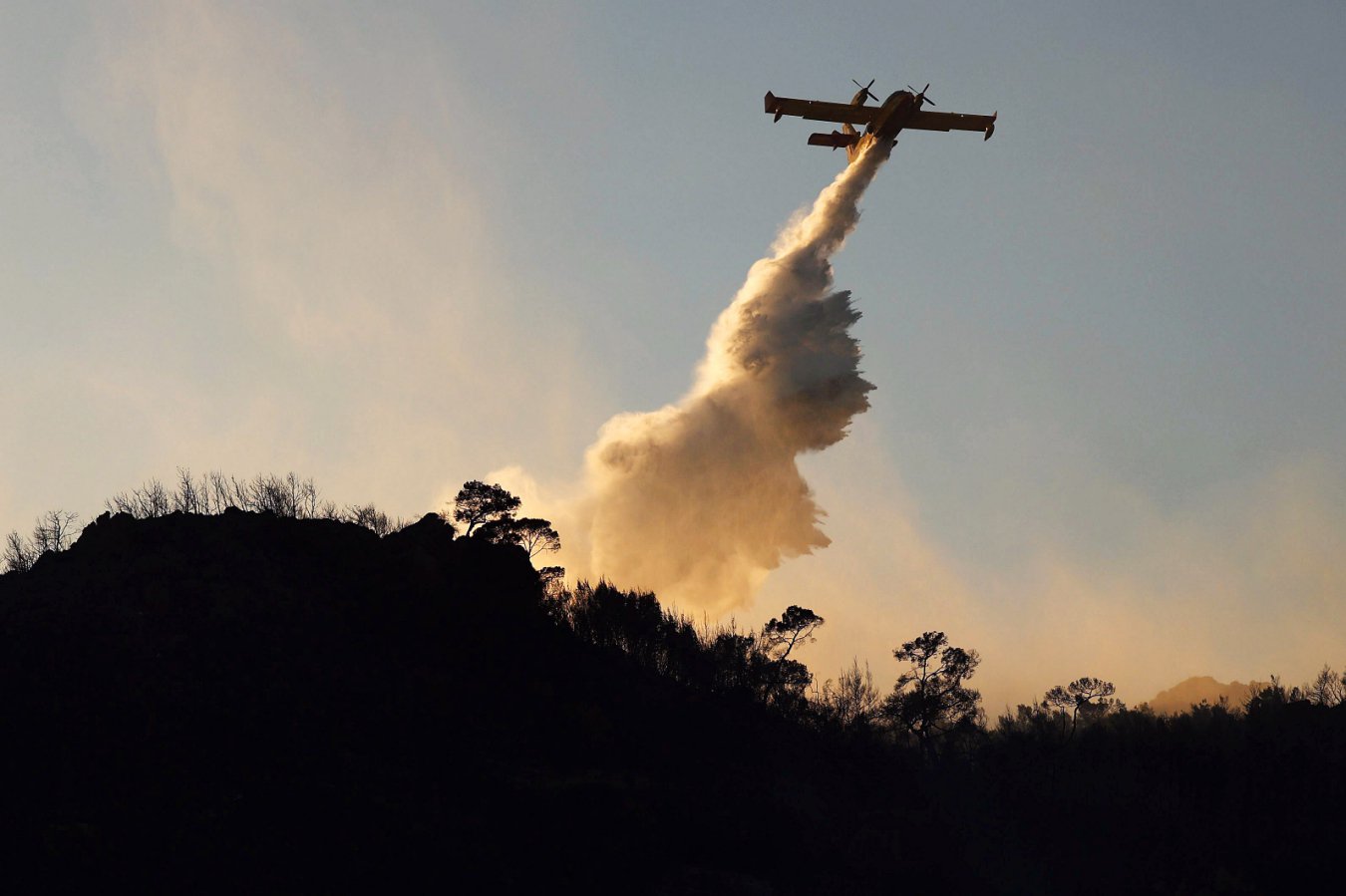
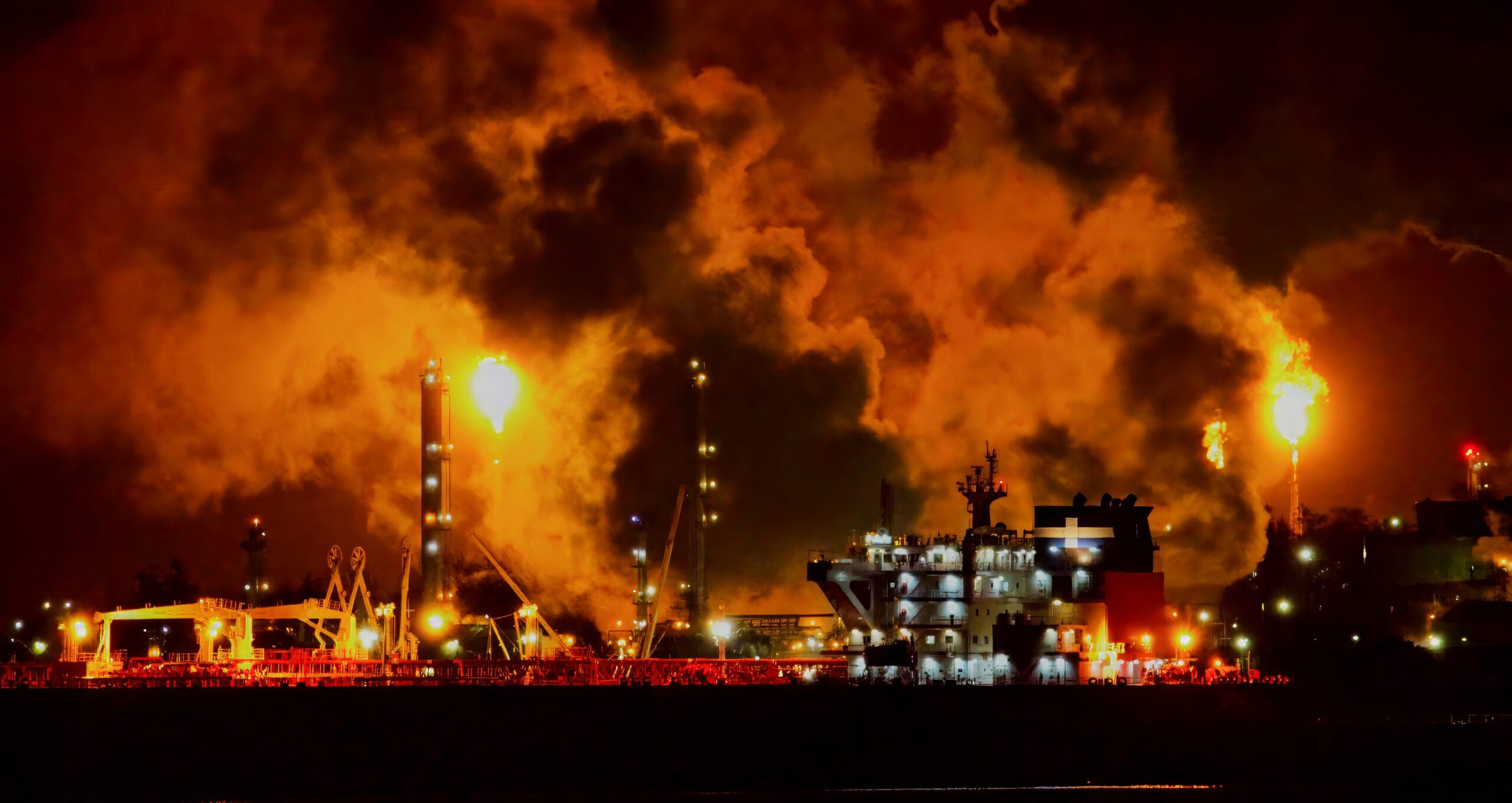
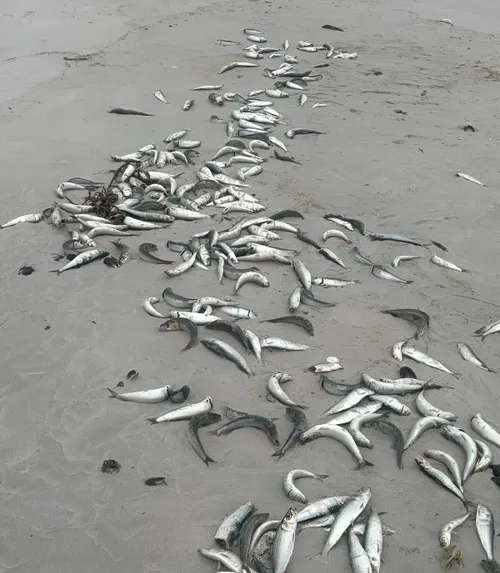
In the summer of 2026, the world has witnessed the climate threat materialize, causing a series of crises such as droughts, energy shortages, failed harvests, devastating wildfires, and relentless heat. There are ways we can adapt to these extremes, including training our bodies to handle the heat, rethinking summer habits, and preparing our infrastructure for future severe weather.
It is crucial to protect water supplies, modify farming practices, and cool buildings to mitigate the impacts of climate change. However, climate change is unpredictable, manifesting as gradual melting glaciers, warming oceans, and rising temperatures, as well as sudden, catastrophic events like storms, floods, and heatwaves. While we have improved at predicting and preparing for these violent shifts, we cannot rely solely on prediction and preparation, as some events strike too unexpectedly to avoid harm.
This summer's emphasis on adaptation and preparedness highlights the alarming potential of climate breakdown's speed and severity. To secure a future we can adapt to, it is imperative to reduce emissions and limit warming to well below 2°C, as the global community has pledged to do. The summer of 2026 has reignited the urgency of this critical task.
Written by urgent.news from New Scientist's reporting — not their text. Machine-written — may contain errors; check the original before relying on it.