US Green Card wait for Indians hits 179 years as backlog tops 1.2 million
Indian workers are enduring remarkably lengthy delays in obtaining US Green Cards, with projections suggesting that some may be forced to wait an astonishing 179 years for permanent residency. Stricter annual quotas and country-specific limitations contribute significantly to immigration backlogs, with nearly one million Indian applicants currently affected. This scenario exposes the…
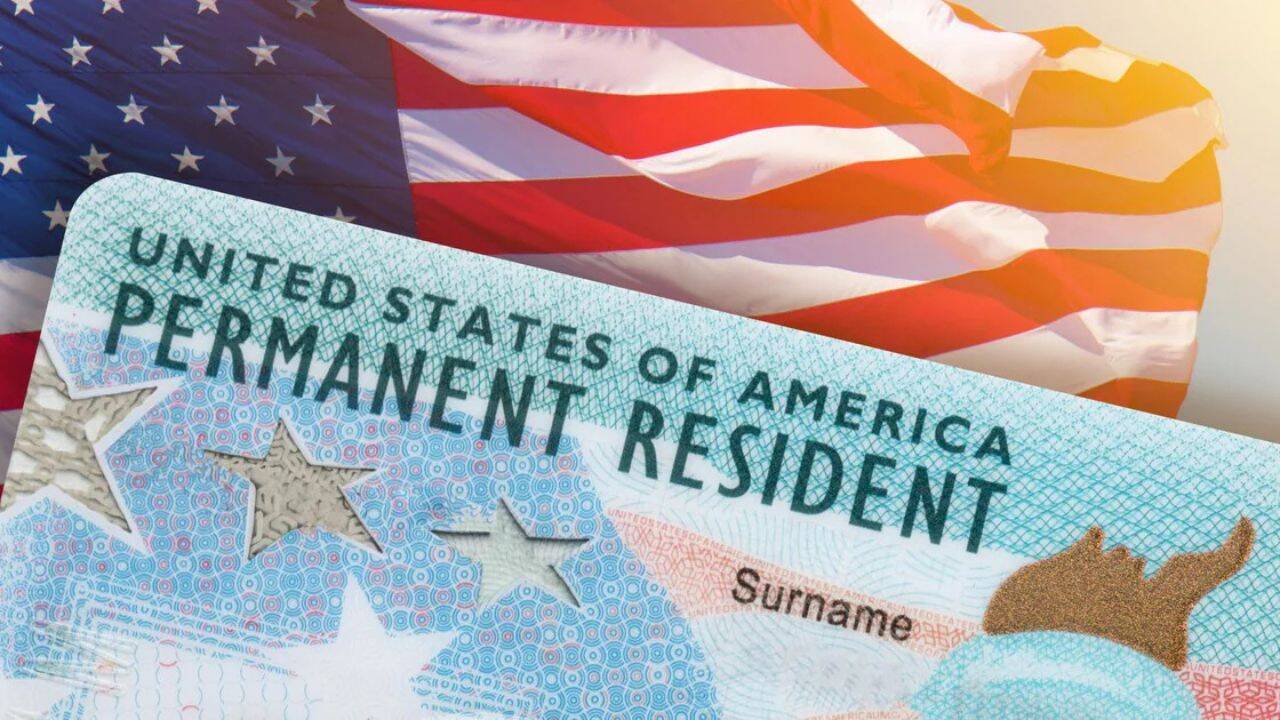
A recent study conducted by the National Foundation for American Policy (NFAP) reveals that Indian professionals seeking employment-based permanent residency or Green Card in the United States may face a waiting period of approximately 179 years. This lengthy delay is attributed to the annual caps and strict country-specific limits imposed by US immigration laws.
As of December 2025, the employment-based immigration backlog had surpassed 1.2 million applicants, with nearly 1 million of them originating from India, accounting for 79% of the total pending backlog.
Compared to other nationalities, India's wait times are significantly longer. For instance, Chinese nationals in the EB-1 priority category wait an estimated 4 to 5 years, while those with an advanced degree face a 25-year wait, and skilled workers have a projected 7-year wait. In contrast, the NFAP report highlights that an Indian high-skilled worker with a labor certification application or employment-based immigrant petition filed in January 2026 or later could potentially wait up to 179 years for a green card in the employment-based second preference (EB-2), 38 years in the employment-based third preference (EB-3), and 5 years in the employment-based first preference (EB-1).
Two primary legislative bottlenecks are identified as the main contributors to this backlog. First, the 140,000 annual ceiling established by the US Congress in 1990 provides a nationwide statutory cap on employment-based green cards. This cap, which includes both primary sponsored employees and their dependent family members, is insufficient to accommodate corporate sponsorship levels.
Second, American immigration statutes mandate that each country receives the same percentage limit, regardless of its total population. Consequently, populous nations like India and China receive the same number of permanent resident slots as smaller countries like Luxembourg and Iceland. This unequal distribution exacerbates the wait times for Indian workers, who make up a significant portion of the pending employment-based backlog.
Written by urgent.news from Times of India's reporting — not their text. Machine-written — may contain errors; check the original before relying on it.