UN urges swift action to avoid climate catastrophe
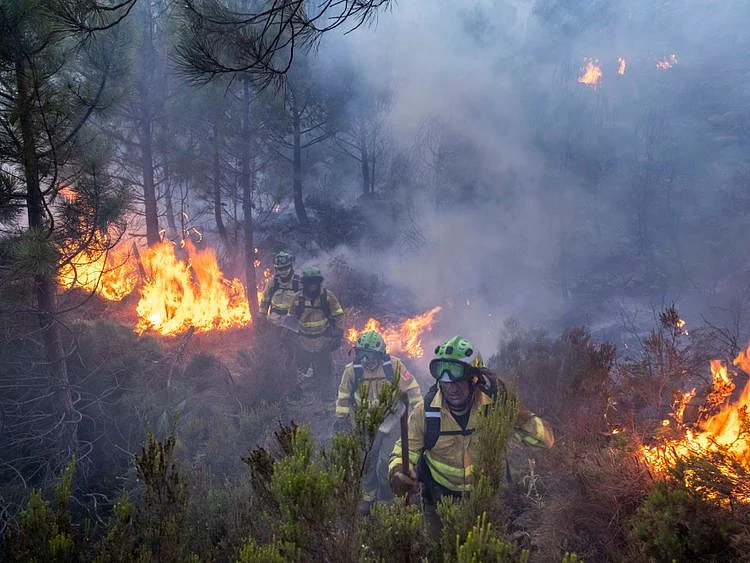
Record heat waves, devastating floods, and extreme weather events are indicative of a planet rapidly warming, according to a recent United Nations report. However, by accelerating climate action now, humanity could avert a climate catastrophe, according to António Guterres, the UN Secretary-General. He recalled the historic 2015 Paris Agreement, where world leaders vowed to keep global temperature rise below 1.5°C above pre-industrial levels, a threshold scientists believe is critical for avoiding the worst climate devastation.
Regrettably, the world is failing to meet this promise, as the new UN Environment Programme (UNEP) report reveals. Guterres emphasized that "the fight for 1.5 degrees is the fight for humanity," stressing that we are on track to breach the 1.5°C limit within the next few years. UNEP chief Inger Andersen warned that extreme heatwaves are already underscoring the severity of climate impacts, which are expected to become more frequent, intense, and longer-lasting.
To avert catastrophe, Guterres reiterated that "every fraction of a degree matters," as it can lead to lives lost, livelihoods destroyed, increased inequality, and ecosystems nearing irreversible damage. But swift climate action can prevent this, he said. "We can still bring warming back below 1.5°C by the end of the century," affirmed Guterres.
"The solutions are available, and the world is now better equipped than ever to implement them. The time for action has come."
Written by urgent.news from Gulf News's reporting — not their text. Machine-written — may contain errors; check the original before relying on it.