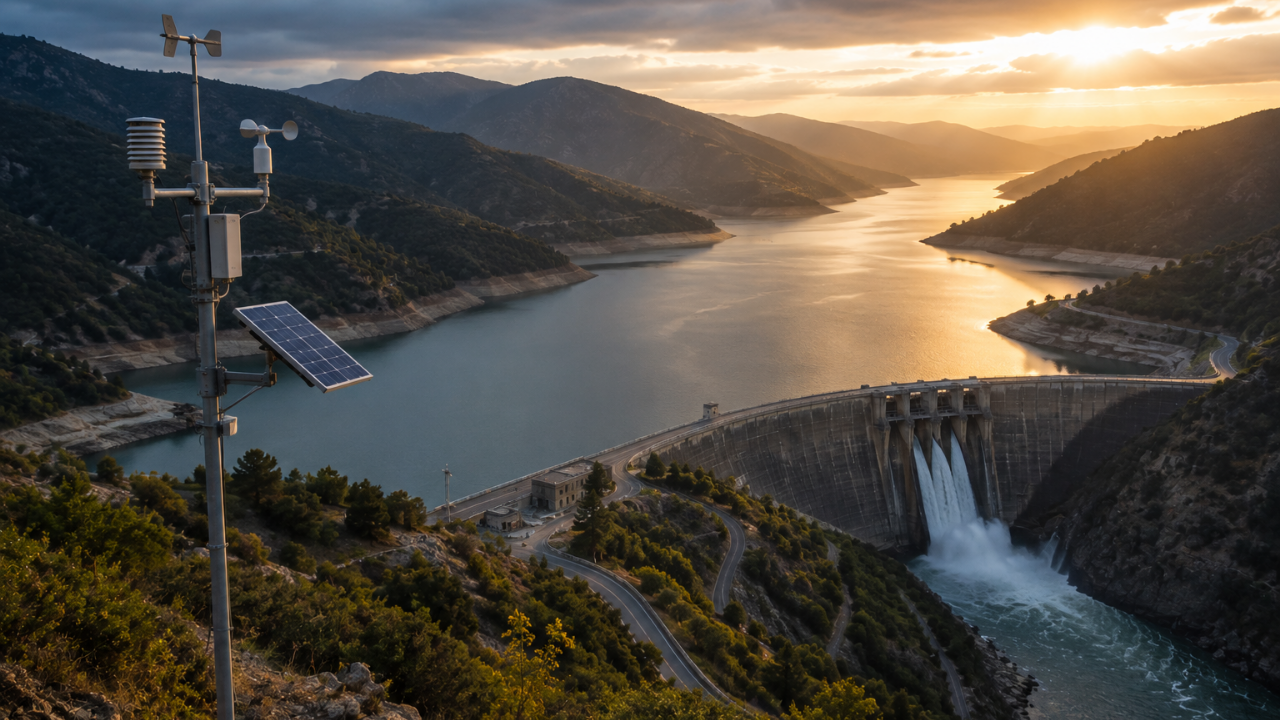
UN charts course to manage global warming-limit breach
UNEP’s detailed 'overshoot, peak and decline' pathway seeks to hold the peak as low as possible and then bring temperatures back down below the 1.5°C limit; report terms it ‘best remaining option’
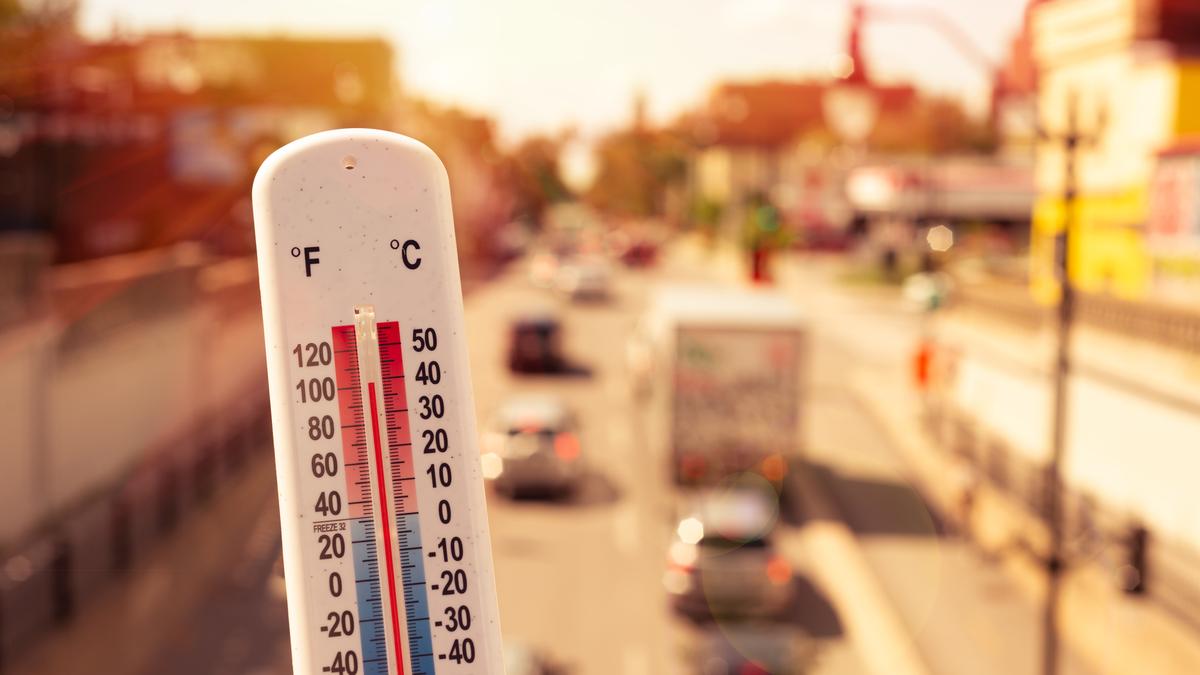
The United Nations Environment Programme (UNEP) has outlined a "overshoot, peak and decline" pathway for the first time, acknowledging that global warming will surpass the 1.5°C limit set by the 2015 Paris Agreement. This route involves temporarily exceeding the temperature limit before gradually bringing it back down below it by the end of the century.
The report, released in Nairobi, warns that even if all countries fulfill their climate pledges, peak warming would still reach 1.8°C. Current policies forecast a temperature rise of about 2.6°C by 2100, ranging between 1.9–3.6°C. The pathway is not ideal but is the best available option. COP30, held in Brazil in 2025, acknowledged the likelihood of a temporary overshoot due to the rapid consumption of the carbon budget.
Countries committed to limiting the size and duration of the overshoot and closing adaptation gaps by accelerating emission cuts and scaling up nature-based removals like reforestation. The report emphasizes that carbon dioxide removal must complement, not replace, emission reductions, and can only cool temperatures back to 1.5°C if peak warming remains below 2°C.
Methane, responsible for roughly 0.5°C of current warming, is identified as the most effective near-term mitigation strategy. Cutting methane emissions by at least 30% below 2020 levels by 2030 is crucial, as even modest reductions could significantly lower temperature rise.
Written by urgent.news from The Hindu - Sci-Tech's reporting — not their text. Machine-written — may contain errors; check the original before relying on it.
This story
This is one outlet's version. Read the fullest account.