California reservoir forecasts could save up to $200m a year in usable water
To boost water availability in California, advanced weather forecast models can play a crucial role. Implementing Forecast-Informed Reservoir Operations may yield an additional 315,000 acre-feet each year, providing substantial economic leverage for both farmers and city dwellers. This innovative approach improves flood management and opens up opportunities for environmental flow, all while…
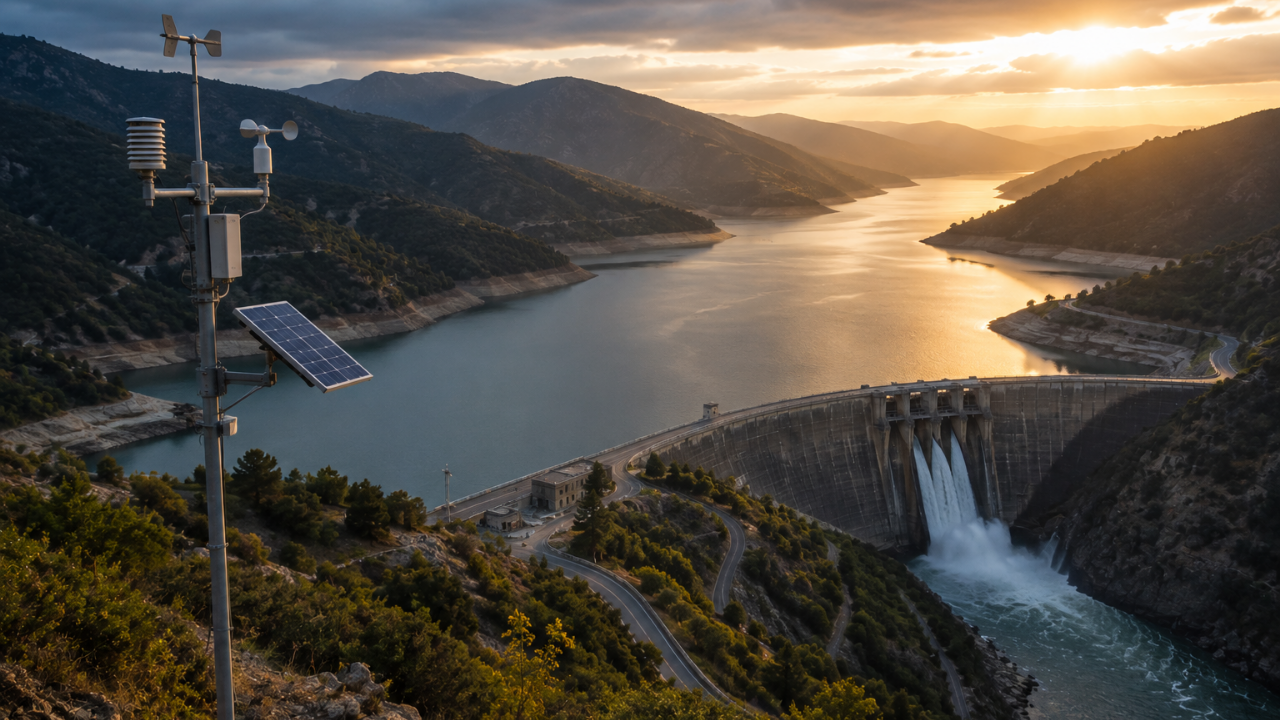
A new study suggests that California's existing reservoirs could provide up to $200 million in additional water each year without the need for new infrastructure. By employing better weather and water forecasts, reservoir operators could optimize water storage and release, increasing availability by approximately 315,000 acre-feet annually.
This would be equivalent to more than 100 billion gallons of water. The technique, called Forecast-Informed Reservoir Operations (FIRO), would allow operators to make more data-driven decisions regarding flood control and water availability, rather than relying on fixed rules or calendar schedules. The study, led by researchers from Scripps Institution of Oceanography at UC San Diego, analyzed 20 major California reservoirs, representing over 20 million acre-feet of storage capacity.
In wet years, the potential could increase to nearly 500,000 acre-feet, enough for over a million households. The economic benefits, primarily focused on agricultural and urban water users, were estimated to be around $145 million per year, with the range extending from $100 million to $200 million annually. While the study suggests that FIRO is a valuable tool, it does not propose that it should replace other water strategy elements like conservation, groundwater recharge, or new infrastructure.
Written by urgent.news from Times of India's reporting — not their text. Machine-written — may contain errors; check the original before relying on it.