The Ad Break Comes To AI
If you asked ChatGPT for a new phone, a family car or the best way to plan a holiday, you…
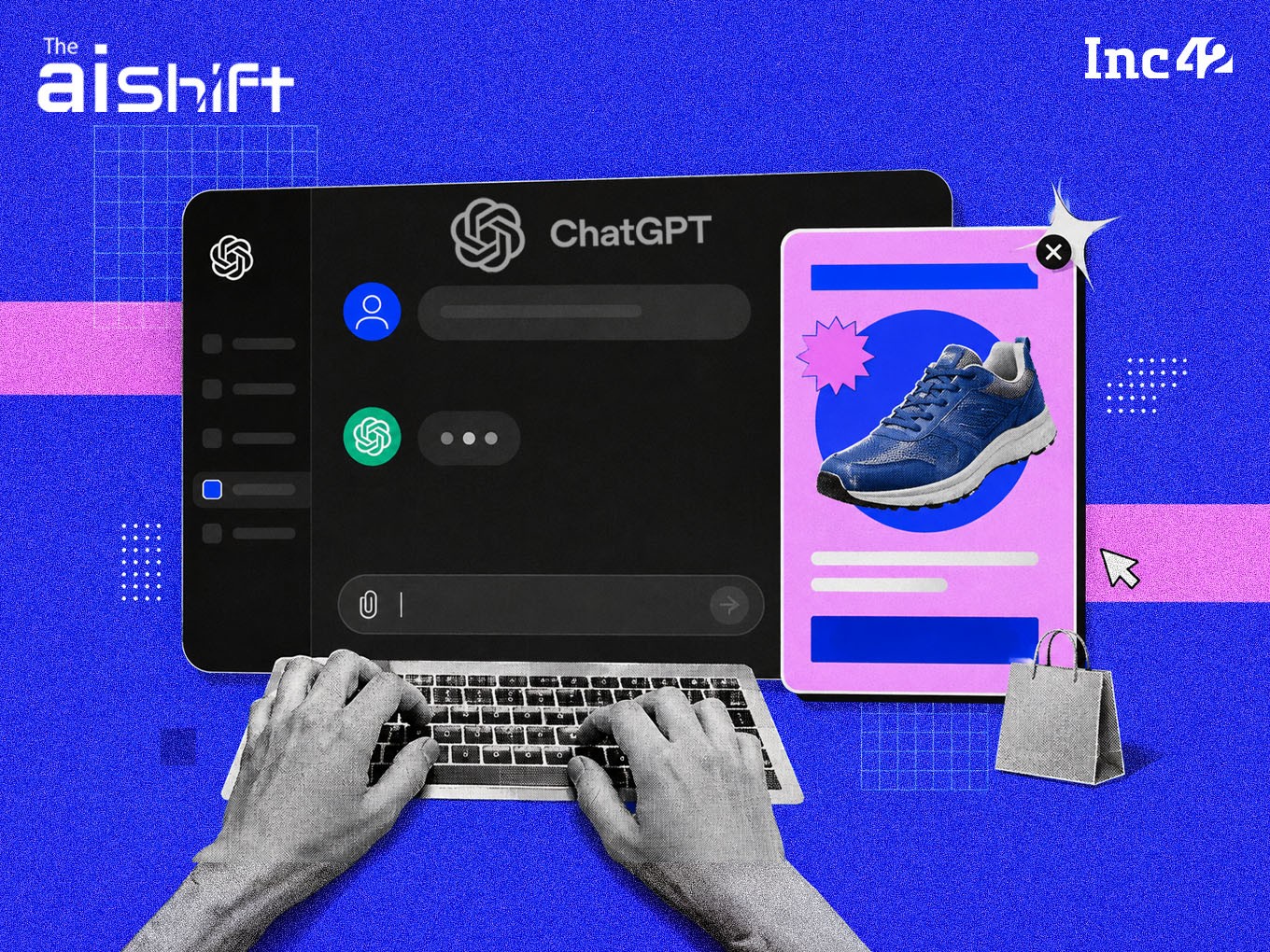
The AI landscape is witnessing a significant shift as OpenAI introduces sponsored messages, or ads, into conversations on its AI chatbot, ChatGPT, in India. This move is part of a broader trend, following the lead of Google's Gemini and Meta, indicating a growing acceptance of ads in AI tools. Initially, the ads will be available to users on Free and Go plans, while Plus, Pro, Business, Enterprise, and Education users can enjoy an ad-free experience.
OpenAI claims that more than 50 brands will participate in the initial rollout, with WPP and Omnicom as its first agency partners in India. Advertisers can access ChatGPT's self-serve Ads Manager, with daily budgets starting at ₹725. The company's pitch to advertisers is that ChatGPT is becoming a place where people not only seek information but also think through their purchasing decisions.
With over 100 million weekly active users in India, the introduction of ads arrives at a crucial time for the advertising industry. While Google and Meta have already begun incorporating ads into their AI-powered experiences, other AI companies are still grappling with the challenge of balancing advertising with user trust. OpenAI's approach to ads is more closely aligned with search advertising, considering multiple signals such as conversation context, ad context, and targeting selections.
Ads will appear at the end of a ChatGPT response, clearly labeled as sponsored messages. Despite concerns about data privacy, OpenAI assures advertisers that ads are not linked to personal user information and that only aggregate campaign-performance data will be shared. However, the effectiveness of AI-powered ads remains to be seen, as studies suggest varying levels of relevance depending on the topic.
Written by urgent.news from Inc42's reporting — not their text. Machine-written — may contain errors; check the original before relying on it.