Perplexity can now split your tasks between the cloud and local AI to reduce costs
It's like getting the best of both worlds.
Perplexity's AI agent for Windows, known as Personal Computer, has impressed users with its ability to tackle complex, multi-step tasks with minimal user interaction. Available on both Windows 11 and Windows 10, the feature requires a paid subscription to Perplexity's Pro, Max, or Enterprise plans and the installation of the latest Perplexity app for Windows.
Once installed, Personal Computer can access local files, use native applications, and connect with cloud-based services such as OneDrive, Google Drive, Box, and Dropbox. Users can also interact with the AI through voice mode, allowing for a conversational exchange to clarify tasks before execution.
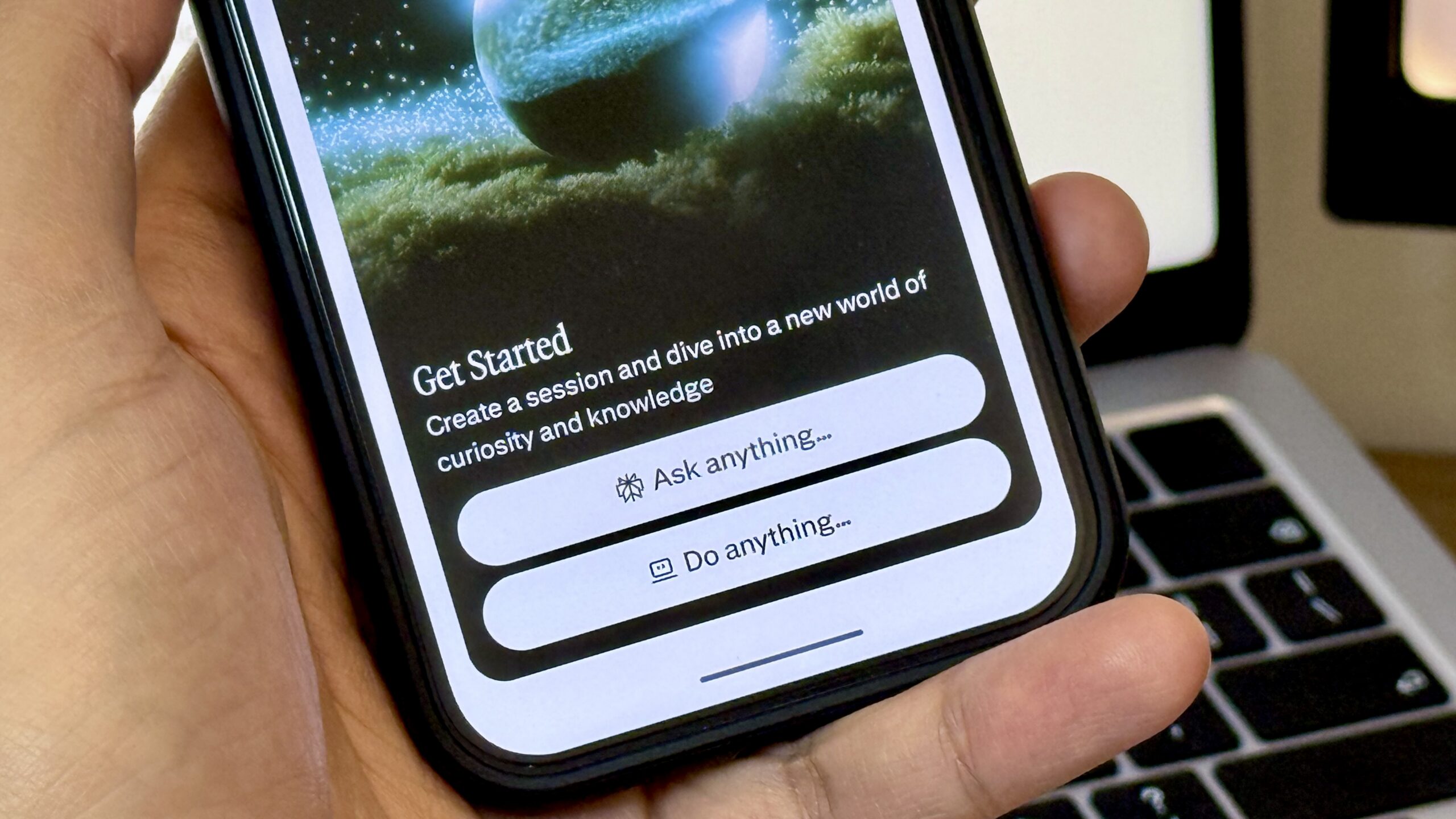
To begin using Personal Computer, users must enable local access to their files and add connectors for third-party services. With the AI ready, users can submit tasks through the "Computer" button. Perplexity offers a variety of models for completion, with the default model working for most tasks.
The reporter tested Personal Computer with five complex tasks:
1. Summarizing medical records in local Downloads folder
2. Summarizing articles from OneDrive
3. Finding unanswered emails and drafting replies
4. Setting up recurring tasks for Doctor Who releases
5. Converting old Word and Excel files to modern format
Each task was executed successfully, with the AI producing succinct yet detailed summaries, comprehensive analyses, and accurate replies. The reporter found Perplexity's Personal Computer feature to be a valuable tool for streamlining complex, multi-step tasks on Windows.
Written by urgent.news from ZDNet's reporting — not their text. Machine-written — may contain errors; check the original before relying on it.
This story
This is one outlet's version. Read the fullest account.