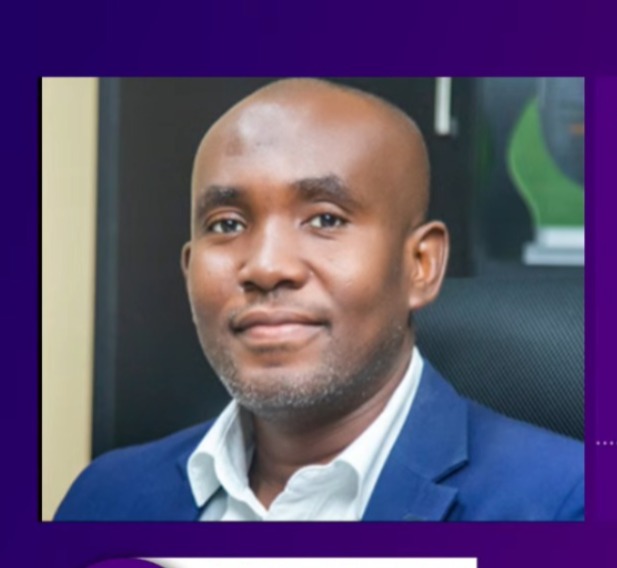
Tapping nuclear power may not require major grid changes: SP PowerGrid CEO
He highlighted how the electrical network must always be kept in fine balance between demand and supply.
On September 2, the CEO of SP PowerGrid, Jimmy Khoo, stated that nuclear power plants can generate a stable supply of electricity, comparable to current fossil fuel plants, and its integration into Singapore's power grid may not necessitate significant changes. However, Khoo emphasized that as nuclear energy is still under investigation, new requirements may arise for the grid operator.
While Singapore has not yet determined if nuclear power will be part of its future energy mix, it is conducting feasibility studies. The republic also plans to incorporate other energy sources, such as imports from neighboring countries and additional renewable energy. Nevertheless, renewable energy production can be inconsistent, with higher generation during solar peak hours and reduced output during early mornings and late afternoons.
During a tour of SP PowerGrid's electricity distribution control center, Khoo explained that nuclear reactions produce energy that drives steam engines, similar to how electricity is generated in Singapore's existing combined cycle gas turbine facilities. He compared nuclear plants to other generators, highlighting that they share the same output. Unlike renewable sources, such as solar panels, nuclear plants maintain consistent energy output.
SP PowerGrid, a wholly-owned subsidiary of SP Group, is responsible for owning and operating Singapore's electricity and gas transmission and distribution networks. The operator must ensure the grid's readiness to accommodate Singapore's transition from fossil fuels to alternative energy sources in a dependable manner, according to Khoo.
To achieve Singapore's net-zero emissions target by 2050, the nation must reduce emissions from its power sector, which presently accounts for around 40% of total emissions, as well as other emission-producing sectors like land transport, contributing approximately 15% of total emissions.
Khoo emphasized the grid's critical role in the energy transition, particularly in maintaining a stable power supply to charge electric vehicles. He stressed the importance of balancing demand and supply in the electrical network, as even minor disturbances can impact any part of the system. For instance, a voltage surge in April 2025 left extensive areas of Spain and Portugal without power for up to 16 hours.
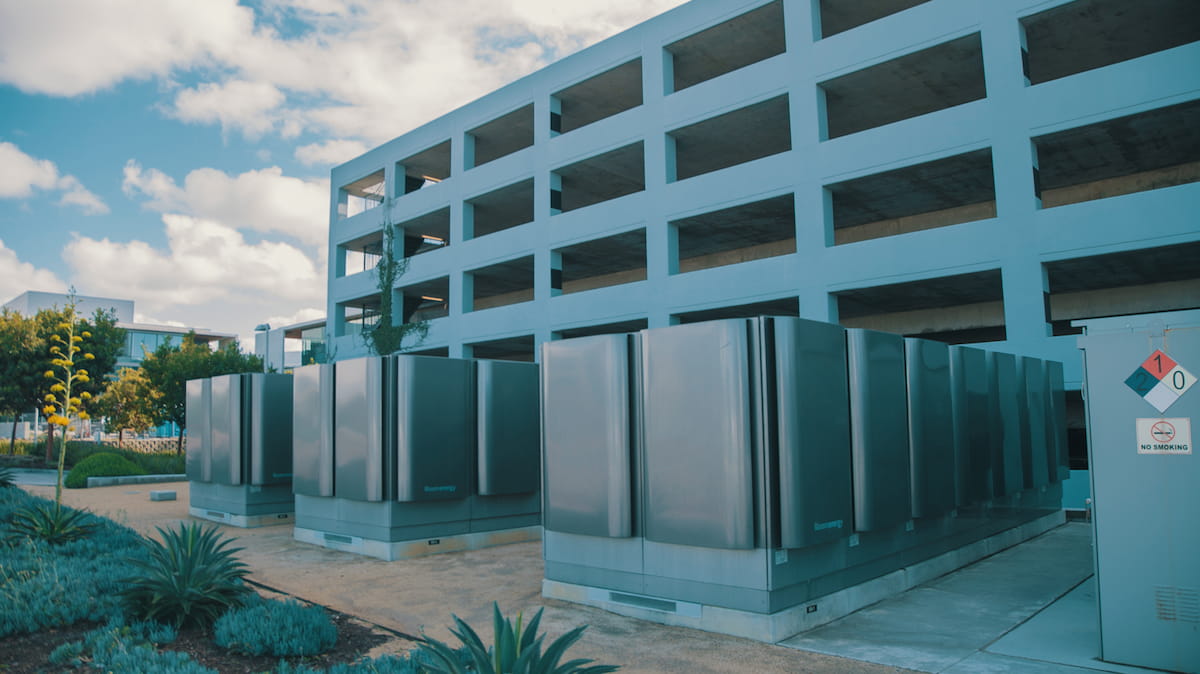
With Singapore's plans to increase solar power deployment, Khoo anticipates increased interventions to better integrate renewable energy, like solar, into the grid. To address this challenge, SP Group is employing technologies such as batteries to uphold the grid's equilibrium. For example, in October 2025, the group launched a 9.6MW battery energy storage system to facilitate the integration of weather-dependent renewable energy sources, such as solar energy, into the grid.
Khoo concluded by stating that while renewable energy presents challenges, embracing the technology is necessary for the green transition, and interventions must be accepted.
Written by urgent.news from Straits Times's reporting — not their text. Machine-written — may contain errors; check the original before relying on it.