Southeast Asia’s scam gangs regroup after Cambodia’s purge
Cambodia says it has flushed out a scam industry estimated to have stolen tens of billions of US dollars last year alone, but a string of arrests in recent days suggests the gangs behind it may have simply changed address. Scam centres proliferated across Cambodia during the pandemic, when hundreds of thousands of jobless young people were pulled into defunct casino complexes to target victims…
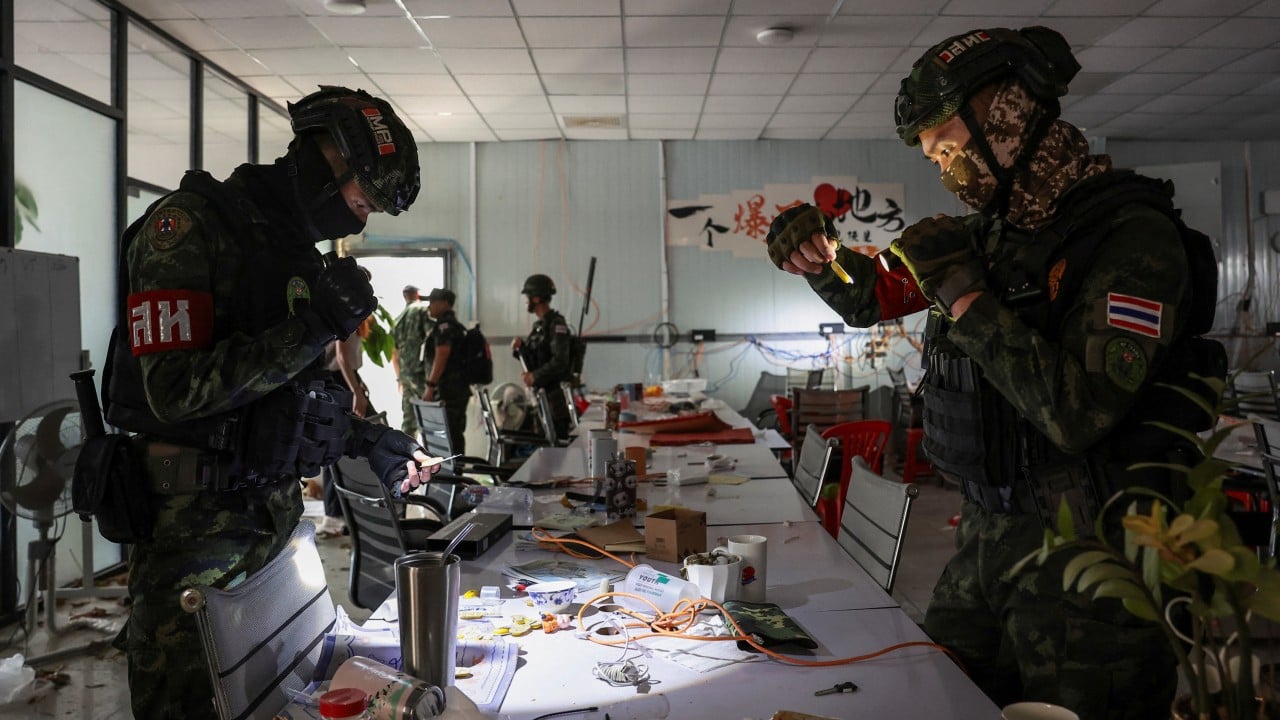
Southeast Asian scam networks have resumed operations after a Cambodian crackdown aimed at halting the alleged theft of tens of billions of US dollars in fraudulent activities. According to the UN Office on Drugs and Crime, scam-related losses within the Asia-Pacific region reached between US$88 billion and US$114 billion in 2025, outpacing the GDPs of several regional countries.
Cambodia's Information Ministry claimed that over 250 scam sites were dismantled and 48,000 foreigners deported by February, stating that scam activities had been "brought fully under control" by the end of the previous month. However, experts argue that many scam operators have merely relocated to more concealed locations, such as condominiums, hotels, or border regions in Myanmar, Laos, and Malaysia.
Jay Kritiya, a coordinator at the Civil Society Network for Human Trafficking Victim Assistance, revealed that about 10,000 to 20,000 foreigners may have been transferred to Myanmar following the Cambodian purge. Thai and Myanmar authorities have recently rescued Chinese nationals allegedly involved in cross-border scam rings, with a Thai police van stopping a van carrying five Chinese nationals bound for Malaysia.
Additionally, Thai police in Kamphaeng Phet province rescued a Chinese woman reportedly trafficked across the border from Bangkok. Civil society groups advocate for a shift from individual rescues to targeting entire scam networks, aiming to identify and prosecute perpetrators, freeze criminal assets, and prevent operators from simply relocating.
Written by urgent.news from South China Morning Post's reporting — not their text. Machine-written — may contain errors; check the original before relying on it.