Southeast Asia's budget airlines eye recovery but fuel scars linger
Southeast Asia's budget carriers are hoping the worst of the Middle East-driven fuel shock is behind them but face a difficult second half as margins remain under pressure and strained household ...
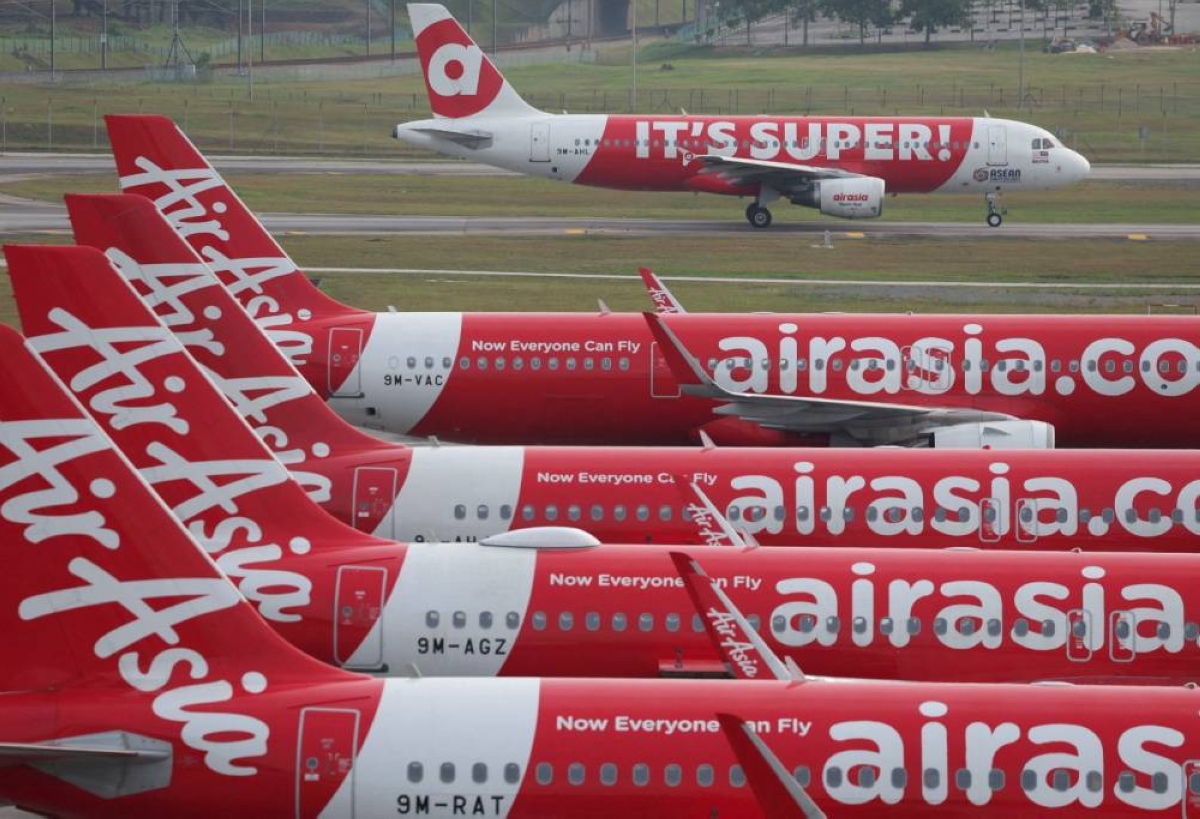
Budget airlines in Southeast Asia are optimistic that the recent fuel cost shock has passed, but they face a tough second half due to mounting financial pressures and weakening consumer spending power, industry insiders said. Recent quarterly reports from Malaysia's AirAsia, Singapore's Scoot, and the Philippines' Cebu Pacific revealed that attempts to offset soaring fuel expenses with higher fares have fallen short.
AirAsia and Cebu Pacific reported net losses, while Scoot's operating loss nearly doubled. The results underscored the challenges facing the low-cost carrier model: fuel costs now constitute a larger proportion of expenses than at full-service airlines, but cost-sensitive travelers limit airlines' ability to raise prices without reducing demand.
Currency devaluations further strained the situation, as the Malaysian ringgit, Thai baht, Indonesian rupiah, and Philippine peso weakened against the US dollar, driving up fuel and aircraft leasing costs, which are typically priced in US dollars. Cebu Pacific CEO Mike Szucs noted that the airline's fuel expenses more than doubled compared to the previous year, largely due to an 8% depreciation of the peso.
Cebu Pacific has hedged roughly 30% of its upcoming fuel requirements at rates below $120 per barrel to mitigate near-term exposure. Full-service airlines have enjoyed greater resilience due to robust demand from premium passengers, according to Nathan Gee, head of Asia-Pacific transportation research at BofA Global Research. Low-cost carriers have fared less well due to their more basic offerings and smaller loyalty programs.
AirAsia anticipates a weak third quarter, a period historically marked by lower travel volumes. The airline intends to reduce seat capacity by 20%-25% year-over-year, return 25 older aircraft to lessors in 2026, and suspend its Sydney-Kuala Lumpur route in October as part of a network realignment. AirAsia CEO Bo Lingam explained that the company is adopting a deliberate, tactical approach to safeguard its bottom line following soaring jet fuel prices that reached $183 per barrel in the second quarter.
AirAsia also incurred a net foreign exchange loss of approximately $82 million. Lingam stated that the airline aims to return to pre-war capacity levels in the fourth quarter, with forward bookings in line with last year's levels. Scoot has maintained capacity expansion despite the economic headwinds, but its passenger unit costs surged by 21.7% in the three months to June, resulting in an operating loss of S$32 million (US$25.2 million) compared to S$17 million a year earlier.
Even with higher fares and coverage under parent Singapore Airlines' fuel-hedging program, Scoot's break-even load factor reached 100%, implying that it would have required full seat occupancy to cover passenger operating costs, while the actual load factor stood at 90.6%. Scoot's Chief Commercial Officer Calvin Chan told Reuters that fare adjustments had not sufficiently offset higher fuel prices, and the Middle East conflict continued to cast uncertainty over the outlook.
Lower fuel prices could alleviate immediate cost pressures but might prompt airlines to expand capacity and intensify fare competition, Gee suggested. Intra-Asian routes are particularly vulnerable due to the faster recovery of narrowbody aircraft supplies compared to widebody jets, he added. Excessive capacity could run into weaker demand.
Independent aviation analyst Brendan Sobie warned that tightened consumer budgets could dampen travel by Southeast Asia's middle class throughout the year and during the critical peak season. The short-term outlook remains grim, he said. While there is potential for improvement in the fourth quarter, it is premature to assess the situation definitively.
Written by urgent.news from Gulf Times Business's reporting — not their text. Machine-written — may contain errors; check the original before relying on it.