Releasing mosquitoes to fight dengue: How Singapore took Project Wolbachia from lab to heartlands
Project Wolbachia, which started in 2016, uses specially bred male mosquitoes to suppress the Aedes aegypti population and reduce the risk of dengue.
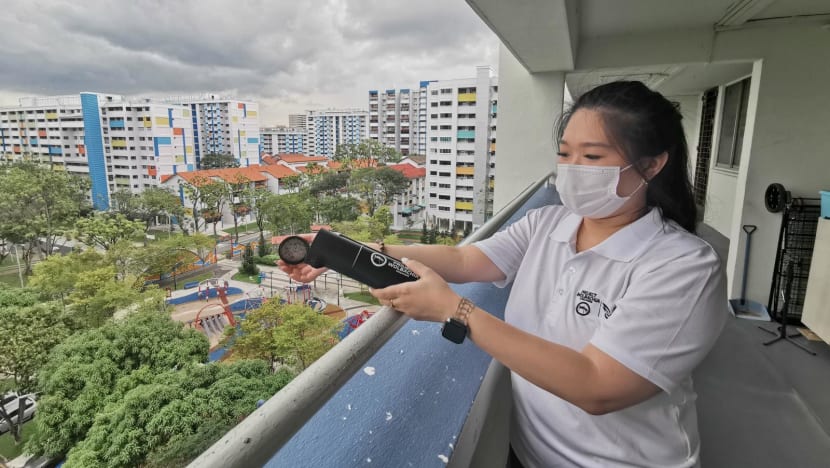
Project Wolbachia, a mosquito control initiative launched in 2016, utilizes specially bred male mosquitoes to curb the Aedes aegypti population and mitigate the risk of dengue. Singapore has invested over a decade in developing this innovative method to combat the mosquito problem. The project was motivated by Singapore's severe dengue outbreak in 2013, which reported more than 22,000 cases.
Dr Chong Chee-Seng, director of environmental epidemiology and toxicology at the Environmental Health Institute, explained that the outbreak prompted researchers to seek alternative ways to manage the mosquito population. Dr Chong emphasized that the project gained momentum due to the urgent need to explore new control methods after the 2013 outbreak.
Initially, there was skepticism about releasing mosquitoes into residential areas, as authorities typically advised preventing mosquito breeding. Dr Chong acknowledged the challenge in convincing the public to accept the releases, but he highlighted that only male mosquitoes are used, as they do not bite. This crucial distinction helped ease people's concerns about the project.
The Wolbachia-carrying mosquitoes are released to mate with wild females, resulting in non-viable eggs and gradually reducing the mosquito population. The process begins with the production of eggs in a facility, where they hatch into larvae and eventually mature into pupae. Male and female mosquitoes are kept together in cages to produce the eggs necessary for the next generation.
This cycle takes approximately a week. Over a decade, Project Wolbachia has achieved notable results, with mosquito populations dropping by 80 to 90 percent and dengue risks falling by 70 percent in release areas. Dr Chong expressed gratitude for the residents' support, hoping to further increase understanding of the project. However, he stressed that the success of Wolbachia-carrying mosquitoes does not eliminate the need for residents to maintain proper mosquito breeding prevention measures.
Written by urgent.news from CNA - Singapore's reporting — not their text. Machine-written — may contain errors; check the original before relying on it.
This story
This is one outlet's version. Read the fullest account.