Releasing mosquitoes to fight dengue: How Singapore took Project Wolbachia from lab to heartlands
Project Wolbachia, which started in 2016, uses specially bred male mosquitoes to suppress the Aedes aegypti population and reduce the risk of dengue.
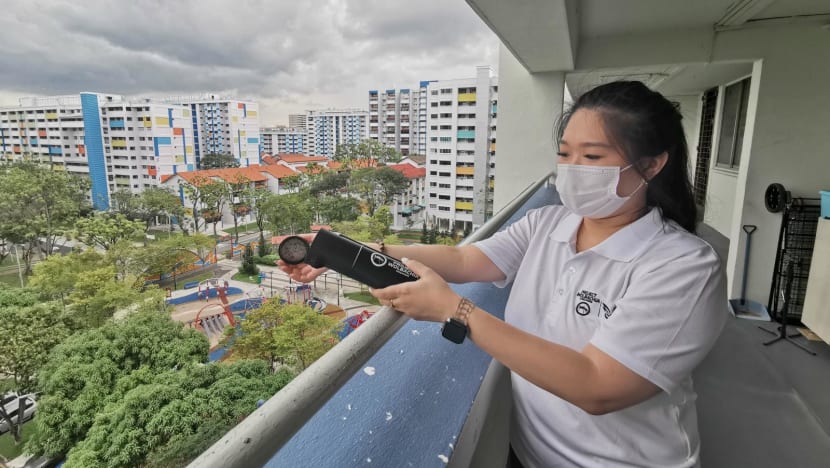
In 2016, Singapore launched Project Wolbachia, a mosquito control initiative aimed at combating dengue fever. The project employs specially bred male mosquitoes that carry the Wolbachia bacterium, which, when introduced into the wild, suppresses the local Aedes aegypti population and consequently lowers dengue risks. The idea was conceived after Singapore faced one of its worst dengue outbreaks in 2013, with over 22,000 cases reported, prompting researchers to seek new ways to control the mosquito population.
Dr Chong Chee-Seng, director of environmental epidemiology and toxicology at the Environmental Health Institute, stated that the project gained momentum following this major outbreak.
The concept of releasing mosquitoes to control dengue might seem counterintuitive, but the approach was backed by extensive laboratory research and risk assessments. Wolbachia is naturally present in about 60 percent of insect species, making it an attractive option for exploration. Unlike other methods that focus on mosquito prevention, Wolbachia was chosen due to its prevalence in various insects, including butterflies. Researchers were confident that this naturally occurring bacterium would be a viable solution.
Under Project Wolbachia, male Aedes aegypti mosquitoes carrying the bacterium are released to mate with wild females. The resulting eggs do not hatch, gradually suppressing the mosquito population. Only male mosquitoes are released, as they do not bite humans, which became a key aspect of the project's communication strategy. Dr Chong emphasized that "male mosquitoes don’t bite," helping to ease residents' concerns and garner acceptance for the releases.
Before being released into residential areas, the mosquitoes start as eggs at a production facility. These eggs hatch into larvae, which then transform into pupae, ultimately producing male mosquitoes. While males are essential for the release process, females play a crucial role in maintaining the production cycle. Adult males and females are kept together in cages to produce the eggs needed for the next generation, continuing the cycle daily.
After a decade of implementation, Project Wolbachia has shown significant results. Aedes aegypti populations in release sites have dropped by 80-90 percent, translating to approximately a 70 percent reduction in dengue risks in those areas. Dr Chong expressed gratitude for the residents' support, hoping that more people would understand the importance of the project.
However, he also stressed that Wolbachia-carrying mosquitoes cannot eliminate all breeding grounds for mosquitoes. Residents still play a vital role in preventing dengue by maintaining clean environments.
Written by urgent.news from Channel News Asia's reporting — not their text. Machine-written — may contain errors; check the original before relying on it.