Nobody is preparing for the worst day in history
Governments must start preparing for Black Swan Events, says researcher Florian Ulrich Jehn
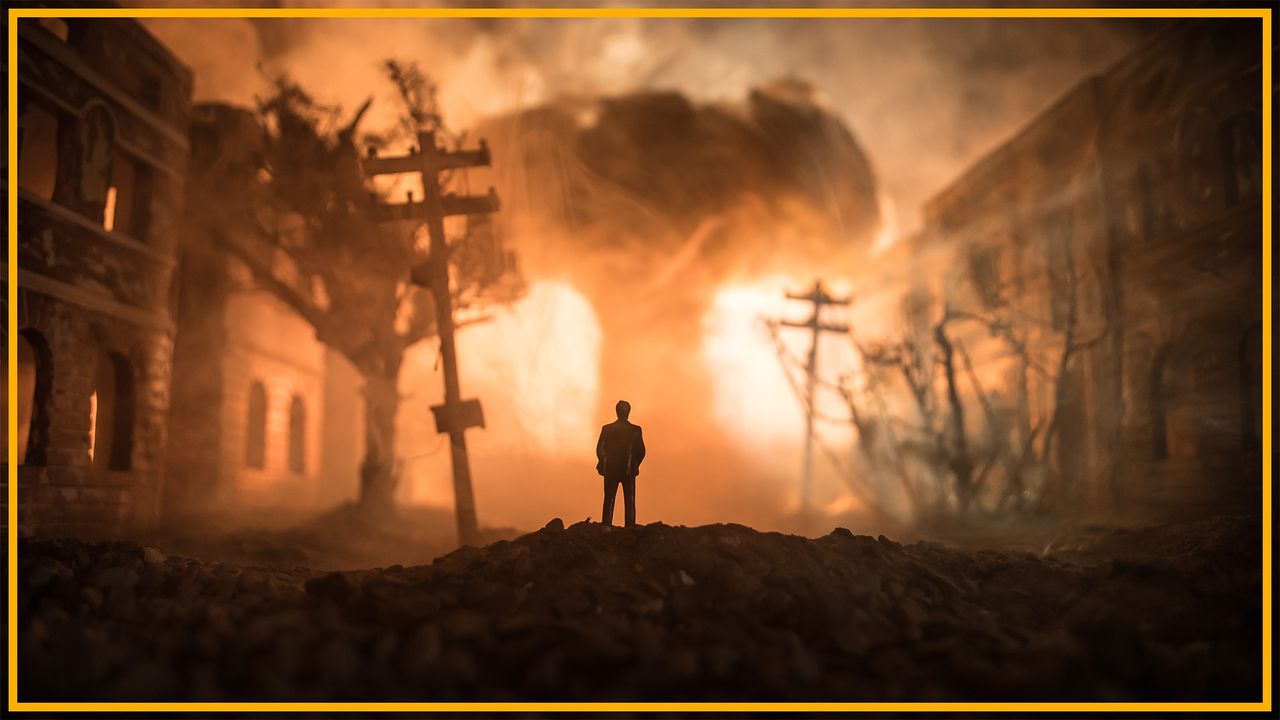
A massive volcano erupting in Southeast Asia could trigger a global catastrophe, disrupting food systems and causing widespread starvation. Ash fall would delay flights and destroy crops, while pyroclastic flows would wipe out entire towns. As sulfur dioxide is released, it forms a haze of fine acid droplets, blocking sunlight and turning the sky violet after sunset.
The following summer would never come. Harvests would fail globally, from the American Midwest to Asia's monsoon belt. Countries would close their borders, leading to widespread starvation.
To prepare for such a disaster, three steps need to be taken promptly: include extreme events like nuclear war, volcanic eruptions, and continent-wide blackouts in national risk assessments; agree on trade rules for emergencies before they occur; and fund pilot projects to develop scalable food production methods without sunlight or fertilizers.
Recent turbulent times, including the COVID-19 pandemic, Russia's invasion of Ukraine, and the Iran war, have demonstrated that regional crises can have far-reaching global impacts.
Volcanologists estimate the odds of a magnitude-7 eruption, similar to the 1815 Tambora event, at roughly 1 in 6 over the current century. The chance of a repeat of the 1859 Carrington solar storm, which could disrupt power grids on a continental scale, ranges from 1% to 12% per decade. Nuclear-armed states are constantly engaged in conflicts, risking nuclear war.
These catastrophic events could collectively lead to a significant chance of at least one happening this century. Their common impact is a drastic effect on the food system.
While some countries have made efforts to assess risks, such as the UK and Switzerland, they focus on small-scale events with relatively minor worst-case scenarios. Their risk assessments do not cover significant global catastrophes like global famines or nuclear wars that could lead to millions of deaths and trillions of dollars in costs.
No country can tackle these threats alone. Countries need to collaborate and ensure food self-sufficiency, decentralization, geographic isolation, and strong governance to increase resilience in the face of global catastrophes.
Written by urgent.news from Live Science's reporting — not their text. Machine-written — may contain errors; check the original before relying on it.