Miami Beach reefs built in 1998 later attracted 97,826 fish from 146 species
A 2002 study examined 12 artificial reefs built off Miami Beach using limestone boulders, concrete-gravel aggregate and concrete mixed with waste tyre chips. Divers surveyed the reefs every two months from October 1998 to February 2001, recording fish species, numbers and sizes, along with spiny lobsters. They counted 97,826 fish from 146 species. The researchers found no significant difference…
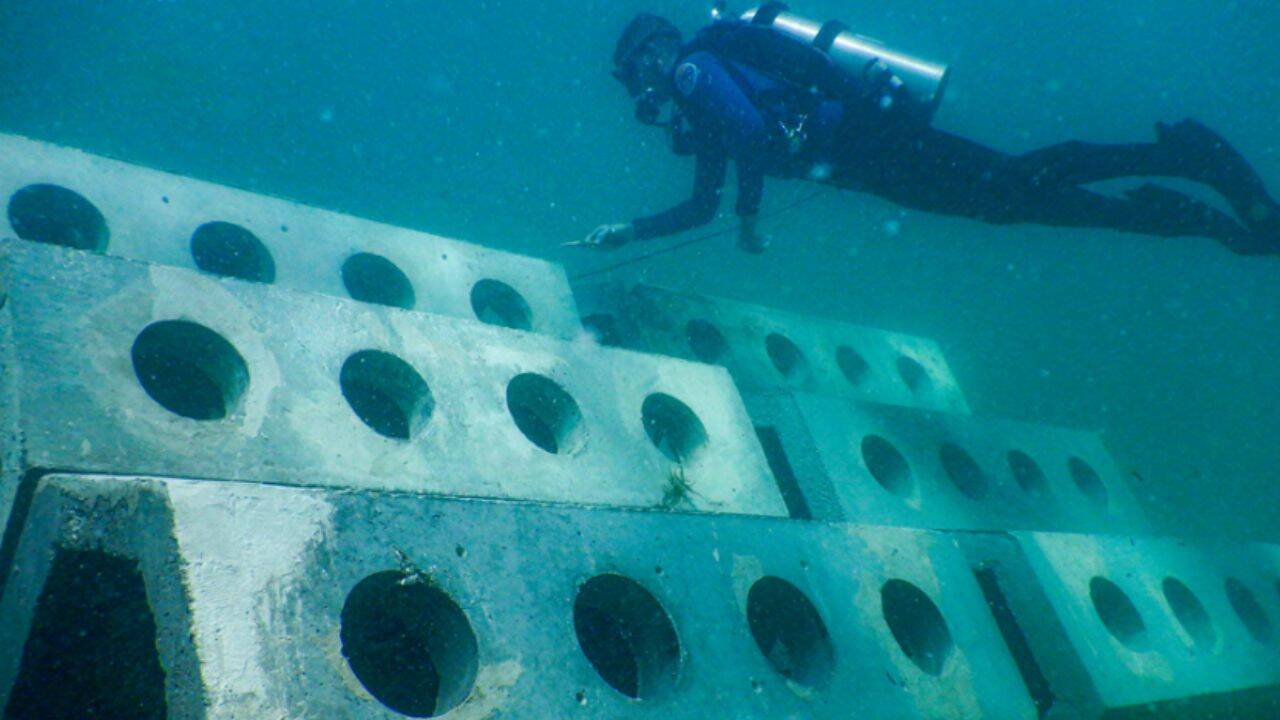
In 1998, researchers installed 12 artificial reefs off Miami Beach to study how various materials would impact marine life. Over three years, divers recorded 97,826 fish from 146 different species surrounding the reefs, according to a study published in Aquatic Living Resources.
The underwater structures were made from limestone, concrete-gravel aggregate, and concrete containing waste tyre chips. Deployed at a depth of around 7 meters in June 1998, the reefs were arranged in two lines with six reefs in each line, spaced about 100 meters apart.
The research, conducted until February 2001, involved divers recording fish species, quantities, and lengths every two months. They also counted spiny lobsters (Panulirus argus). By the study's end, 97,826 fish belonging to 146 species were documented.
The researchers compared fish abundance, species richness, fish biomass, and spiny lobster numbers across the three reef types. Limestone reefs, consisting of 50 boulders, provided a strong and stable foundation, while concrete-gravel and concrete-tire aggregates had their own unique structures. Despite the different materials, the study found no significant differences in total fish abundance, fish biomass, or spiny lobster abundance between the reef materials.
Fish species richness also remained consistent across reef materials. However, the number and variety of fish fluctuated with the seasons, peaking during summer and reaching their lowest in winter. This pattern aligns with similar local studies.
The study also compared fish counts from before the reefs were installed with those taken two years later. The results showed that the artificial reefs increased both fish abundance and species richness in the local area compared to hard-bottom areas and a nearby jetty.
In designing the experiment, the researchers aimed to make the three reef types as similar as possible, placing all 12 reefs in the same general area at the same depth. By controlling several factors, they could more accurately compare the impact of the construction materials on fish communities.
Written by urgent.news from Times of India's reporting — not their text. Machine-written — may contain errors; check the original before relying on it.