Ghana’s marine ecosystems face mounting pressures – Marine scientist
Ghana’s marine ecosystems are under increasing pressure from pollution, declining fisheries, habitat degradation and climate change. The post Ghana’s marine ecosystems face mounting pressures – Marine scientist appeared first on Ghana Business News .
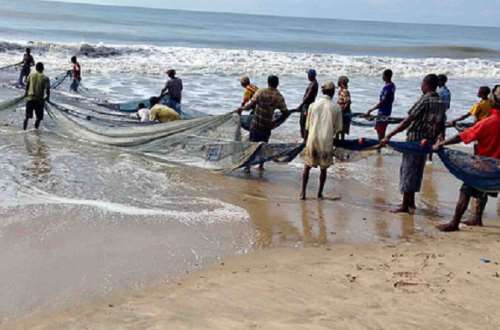
Ghana’s marine ecosystems are experiencing mounting pressures from pollution, declining fisheries, habitat degradation and climate change, according to Professor Edem Mahu, an Associate Professor of Marine Biogeochemistry at the University of Ghana. In an interview with the Ghana News Agency, Prof. Mahu emphasized that a healthy ocean must function properly, recover from shocks and continue to provide essential services such as food, livelihoods, cultural value and economic benefits without undermining ecological integrity.
Key factors contributing to the decline in ocean health include biodiversity loss, declining fisheries, nutrient runoff from agriculture, water pollution, and the impact of climate change. Prof. Mahu explained that evidence from local studies showed a decline in marine biodiversity, with depleted fisheries indicating broader changes within Ghana’s marine ecosystems.
She noted that pollutants like mercury and microplastics, as well as nutrient runoff from agricultural activities, were present in Ghana’s coastal waters, contributing to ecological challenges. The effects of climate change, such as rising sea levels, increasing ocean temperatures and higher concentrations of carbon dioxide in seawater, further stress already weakened marine ecosystems.
The consequences of declining ocean health are evident in reduced fish catches and diminished livelihood opportunities for coastal communities, as well as cultural and spiritual connections between communities and the marine environment. Coastal degradation, which often results from pollution and habitat destruction, affects lagoons and other coastal ecosystems that hold cultural significance for many communities.
According to the 2022 Global Ocean Health Index, Ghana scored 65 out of 100, indicating a moderately healthy ocean, but Prof. Mahu cautioned that data gaps might mean the index did not fully capture the true conditions within Ghana’s marine environment.
To address the issue, Prof. Mahu called for stronger conservation measures, including the expansion and effective monitoring of Marine Protected Areas (MPAs). She highlighted that while MPAs have been established, continuous monitoring is essential to assess water quality, biodiversity and fish stock recovery. Additionally, she advocated for restoring coastal lagoons and estuaries, adopting sustainable fishing practices, enforcing stricter regulations against illegal, unreported and unregulated fishing, and protecting mangrove and seagrass habitats.
Written by urgent.news from Ghana Business News's reporting — not their text. Machine-written — may contain errors; check the original before relying on it.