KP being denied rightful share in own resources, complains CM Afridi
PESHAWAR: Khyber Pakhtunkhwa Chief Minister Sohail Afridi on Tuesday said that his province supplied 70 per cent of the country’s total hydropower to the national grid but its residents continued to be denied their rightful share in their own resources and due benefit from them, a situation that was no longer acceptable. “Our [province’s] hydropower, oil, gas and LPG resources are significantly…
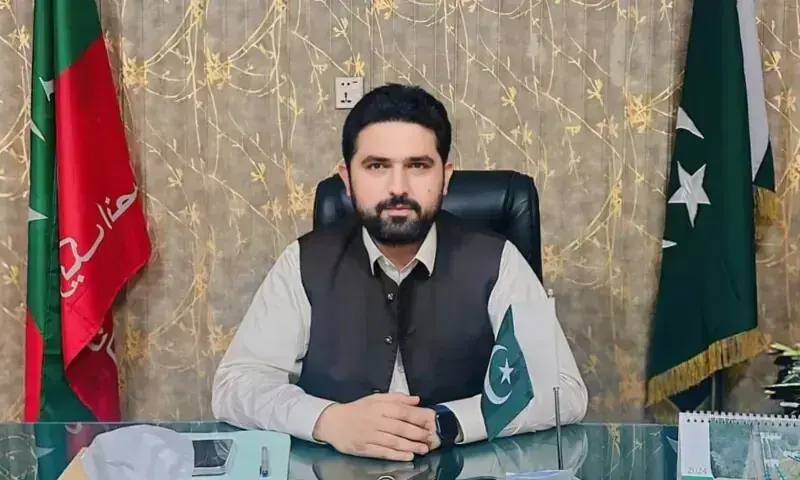
PESHAWAR: Khyber Pakhtunkhwa Chief Minister Sohail Afridi declared on Tuesday that his province generates 70 percent of Pakistan's total hydropower, yet residents continue to be deprived of their fair share of these resources, a matter that cannot be ignored. Speaking at a meeting with officials from the energy and power department, Afridi highlighted that KP's hydropower, oil, gas, and LPG sectors significantly contribute to Pakistan's energy needs.
The meeting was informed about the department's ongoing projects, generation capacity, transmission and grid system, natural resources, outstanding federal dues, and other crucial aspects of the province's energy sector. Afridi emphasized that KP, which contributes over 70 percent of the country's hydropower, has not received its proper compensation under the AGN Kazi formula, with outstanding net hydel profit dues exceeding Rs2,300 billion.
Additionally, more than Rs78 billion in regular NHP payments remain unpaid to the federal government.
Under the previous interim arrangement, KP received less in NHP payments compared to Punjab, with the province earning Rs87.7 billion against Punjab's Rs160.8 billion. Afridi pointed out that delays and improper disbursements are negatively impacting the province's financial situation. In response, KP has approached the Council of Common Interests (CCI) regarding issues such as annual indexation of NHP, outstanding arrears, late payment surcharge, and direct payment mechanisms.
To ensure reliable electricity transmission and meet industrial demands, KP is establishing its own provincial transmission and grid system. The officials announced that the province is enhancing its transmission, regulatory, and distribution systems at the provincial level. Afridi stressed that the presentation of the provincial transmission line project at an investors' conference is crucial, as it holds significant profit potential and attracts international interest.
KP's energy projects, developed by the Pakhtunkhwa Energy Development Organisation (Pedo), total around 7,890 MW, with 224 MW of operational projects generating Rs8.829 billion in revenue during the fiscal year 2025-26. Despite the province's natural resources and energy production, Afridi warned that KP's constitutional rights are violated if its people do not benefit from these resources.
Article 158 of the Constitution grants KP priority in using natural gas, and the province accounts for 48 percent of Pakistan's crude oil production.
Officials recommended that federal excise duty levied at the wellhead in KP be paid to the province, as per Article 161 of the Constitution. KP currently produces 850 tonnes of LPG daily, against a provincial consumption of 600 tonnes. By allocating 10 percent of LPG production to KP, under the LPG Policy 2016, the province could meet the annual requirements of approximately 245,000 households, saving around 2,440 hectares of forest annually.
Afridi stated that all matters concerning the province's constitutional and financial rights should be addressed through a formal, strong institutional process with the federal government, and if necessary, taken to court to secure KP's rights.
Written by urgent.news from Dawn - Pakistan's reporting — not their text. Machine-written — may contain errors; check the original before relying on it.