Breaking in: how ultrasound smuggles drugs past the blood–brain barrier
A creative spin on MRI technology measures the amount of drug delivered to a brain tumour The post Breaking in: how ultrasound smuggles drugs past the blood–brain barrier appeared first on Physics World .
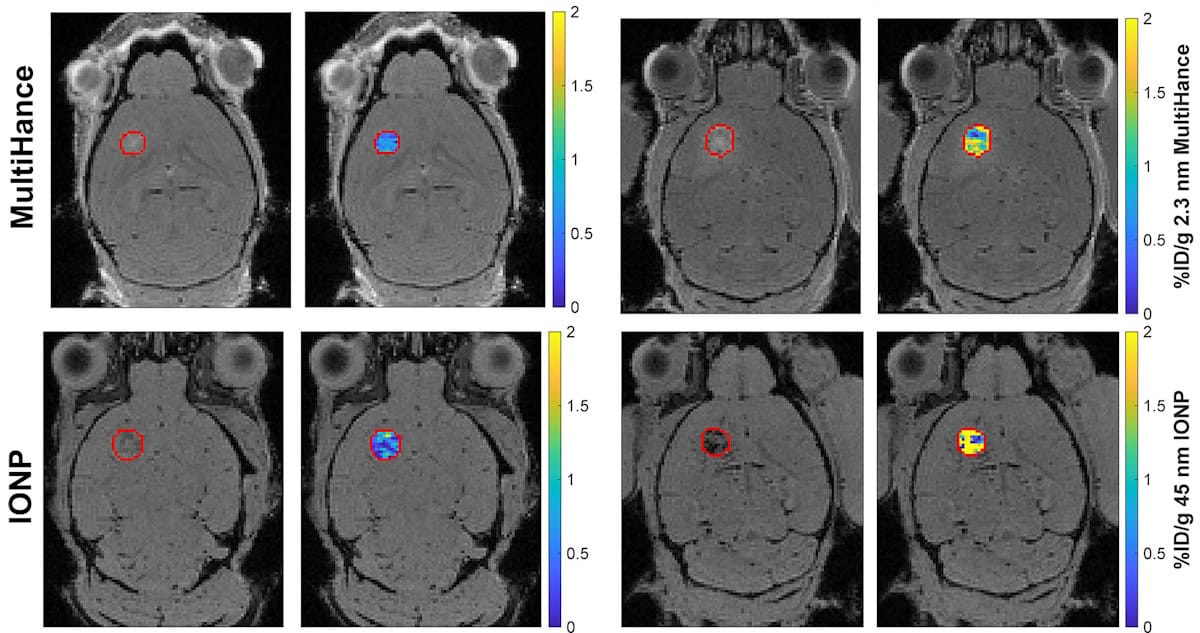
Scientists from the University of Virginia have found that drug size may not be the sole determinant of successful delivery through the blood–brain barrier. Traditionally, it has been believed that smaller drugs could penetrate the barrier more effectively. However, the new study reveals that there is an optimal range of particle sizes for successful drug delivery.
The blood–brain barrier, which protects the central nervous system, blocks the entry of drugs. Researchers discovered that the size of the drug influences FUS-mediated drug delivery. By measuring precisely how much drug is delivered using quantitative susceptibility mapping (QSM), they found that drug delivery followed a bell-shaped curve in healthy mice.
Drug delivery increased at smaller sizes, reached a peak between 15 and 23 nm, and then dropped at larger sizes. This discovery could help in optimizing drug delivery strategies for various therapeutics, including those for brain tumors.
Written by urgent.news from Physics World's reporting — not their text. Machine-written — may contain errors; check the original before relying on it.