CRIMINAL CHROME (Part 1): Illegal chrome mining — An aerial view into the void of state failure
The threats are many: collapsing property values, the fouling of prime agricultural land, the siphoning and polluting of scarce water supplies, and costs for legitimate mining operations and losses for the Treasury as the profits from illicit enterprises flow to transnational organised crime syndicates.
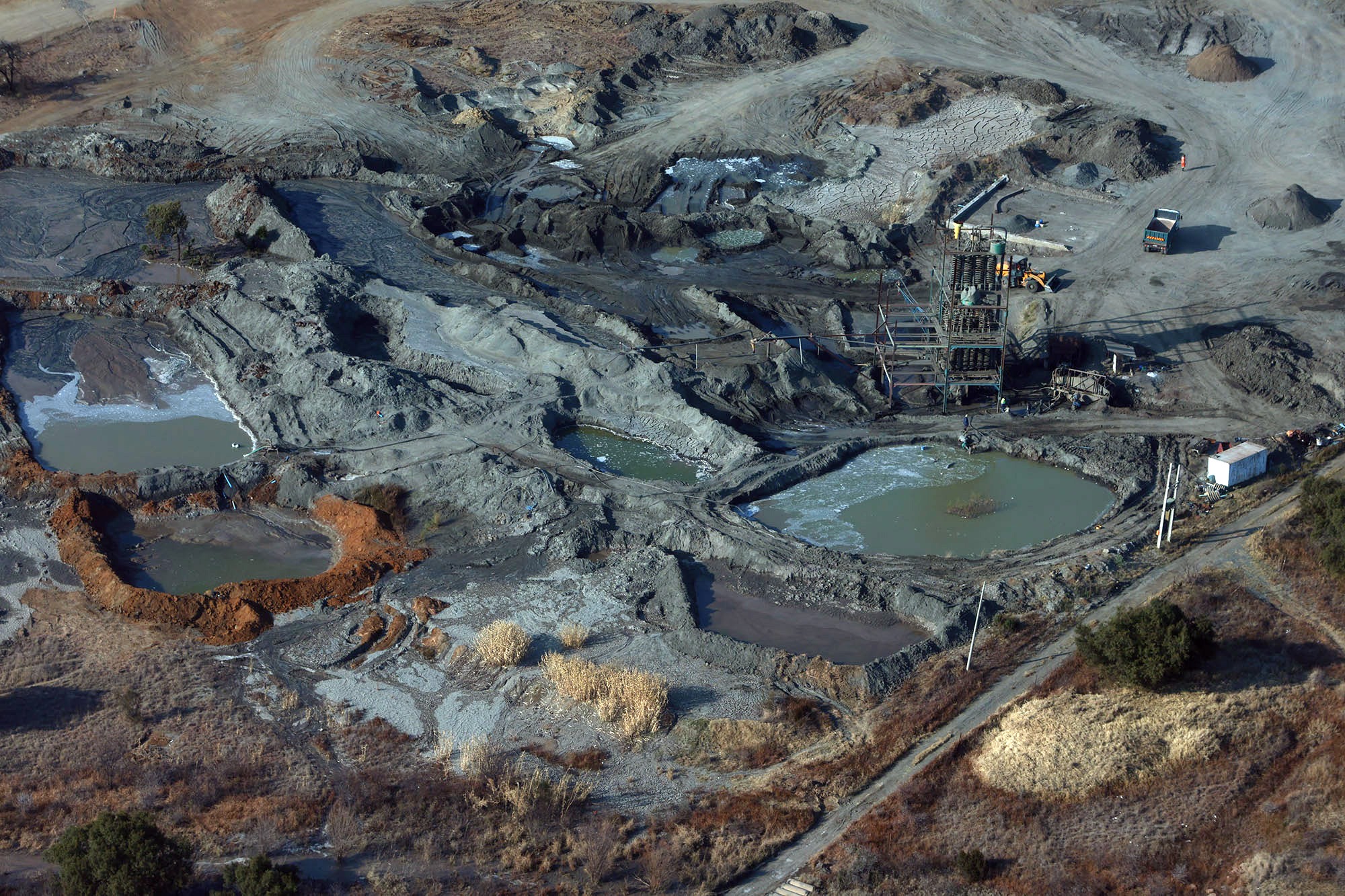
In the Bojanala Platinum District, a region plagued by illegal chrome mining, daily life faces significant threats. The visual evidence from above ground is striking, with illegal chrome-wash plants standing in stark contrast to the natural landscape of ochre. These clandestine operations are hidden within the heart of the Magaliesberg Biosphere Reserve, a UNESCO-recognized area known for its ecological and cultural significance.
The chrome washing plants, like serpents with their snake-like coils, manifest across the region, reaching all the way from Rustenburg to Brits. Daily Maverick’s aerial reconnaissance confirmed the presence of lorries waiting for their loads near these plants, while big yellow machines pored over the earth, undermining the integrity of the land.
The Department of Waters Affairs and Sanitation (DWS) issued 16 water-use licences for such operations despite the community activists documenting 66 illegal chrome mining sites. The Department of Forestry, Fisheries and the Environment (DFFE) and the Department of Minerals and Petroleum Resources (DMPR) declined to comment on the environmental impact assessments approved for these illicit activities.
The community challenge to this growing threat was led by Cheryl Phillips, a former DA MP. The fee for lodging an objection against rezoning, set at R2,955.64, has rendered the majority of Rustenburg residents unable to voice their concerns about the encroaching illegal mines and chrome-wash plants. Such a fee, Phillips argues, is astronomical and a direct assault on the health and life investments of local property owners.
The dangers extend beyond the immediate landscape. Sibanye-Stillwater CEO Richard Stewart warned of the broader risk landscape confronting the mining sector, with illegal chrome mining being just one component. Organized criminal activity is increasingly converging around mining operations, posing serious threats to safety, production, and long-term sustainability.
The illicit chrome mining activities are not only visible from the air but also from the ground. Community activists have identified six illegal washing plants across the region, all visible from mostly public roads. A tour of the region by Daily Maverick revealed these plants, starkly visible amidst the natural environment. Additionally, a formerly productive farm has been scarred by gaping holes after chrome stripping, illustrating the devastating impact of these illegal operations on the agricultural sector.
The legal and environmental infrastructure is failing to keep pace with these activities. Tailings residue from these chrome washing plants, a dark globs on road sides, is left exposed without environmentally sound storage. Some of this residue may have found its way to a tailings dam, but the lack of proper management exacerbates the environmental harm.
For the agricultural community, the presence of illegal chrome mining operations is a source of immense distress. A local farmer who spoke on condition of anonymity highlighted the daily disruption caused by the dust, noise, and disruptions near the chrome-wash plants. The farmer's concerns underscore the broader issue of fear and loathing that has infiltrated the region, transforming the landscape into one of tension and distrust.
This region, once celebrated for its Unesco biosphere status, is now under threat from a growing menace. The state’s failure to effectively regulate and manage these illegal operations poses a significant risk to the ecological integrity, agricultural productivity, and overall well-being of the affected communities.
Written by urgent.news from Daily Maverick's reporting — not their text. Machine-written — may contain errors; check the original before relying on it.