Pakistan says it retains all options on IWT
FO warns India against rejecting Indus award
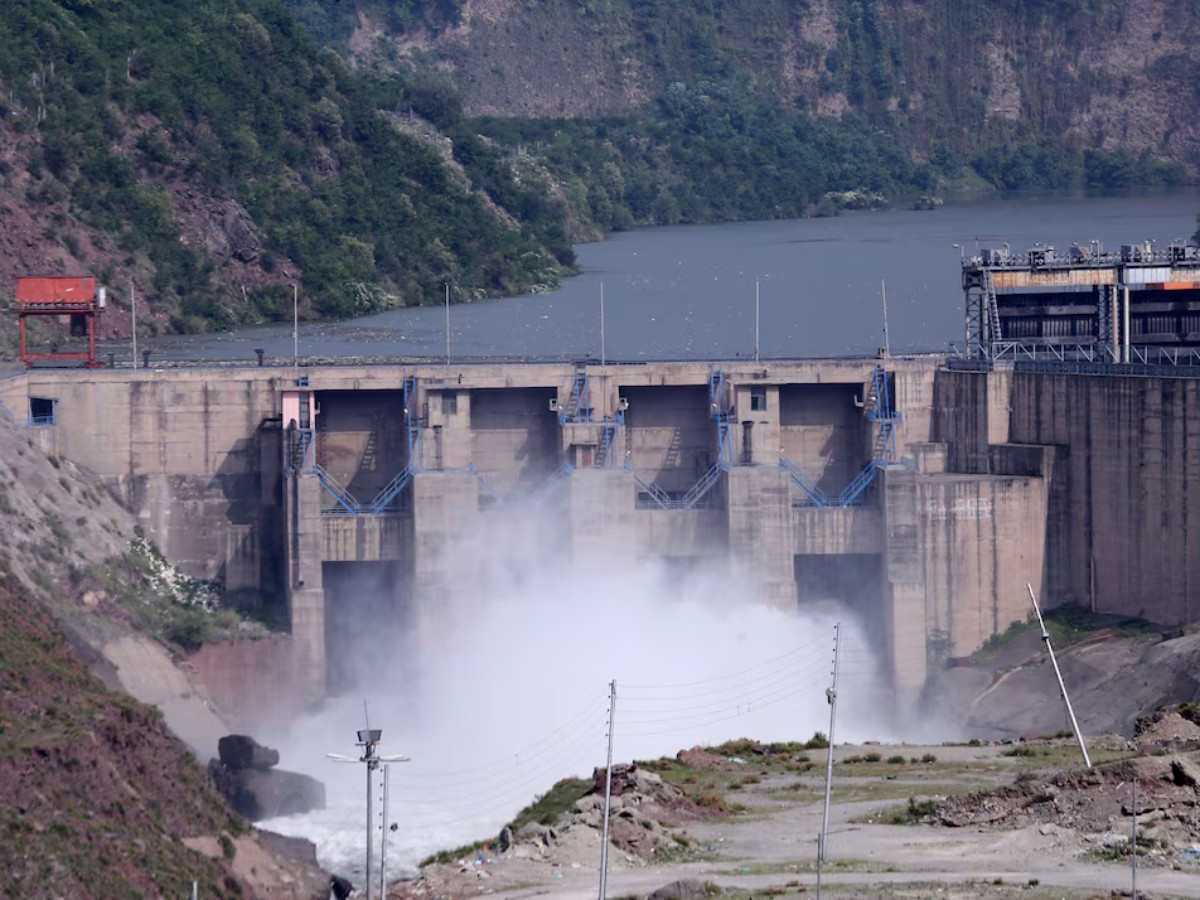
Pakistan has maintained that it retains all diplomatic and non-diplomatic options for ensuring the implementation of the Indus Waters Treaty (IWT) following India's rejection of a Permanent Court of Arbitration (PCA) ruling that upheld the treaty. Foreign Office spokesperson Tahir Andrabi stated that India cannot invoke international law selectively and discard it when the outcome is unfavorable to India.
Andrabi emphasized that India's rejection of the award does not nullify or alter its obligations under the 1960 treaty. The PCA ruling on September 1 reiterated that the IWT remains binding, debunking India's attempt to suspend the treaty unilaterally. Andrabi expressed concern over unilateral management of transboundary waters in South Asia, warning that such actions undermine the sanctity of treaties and international dispute-settlement mechanisms.
He reiterated that Pakistan's participation in the treaty-based process means it cannot disassociate itself from the outcome. Andrabi also addressed the Iran-US confrontation, reaffirming Pakistan's commitment to diplomacy despite the recent escalation. He noted that the recent attacks by Iran should not be seen as a failure of mediation efforts.
Pakistan and Iran have been engaged in diplomatic talks, including a meeting between Prime Minister Shehbaz Sharif and Iranian President Masoud Pezeshkian, as part of efforts to de-escalate tensions. Andrabi expressed hope for renewed dialogue through the Islamabad Memorandum of Understanding and the Pakistan-Qatar joint statement.
The spokesperson also commented on the US President's dismissal of prospects for an agreement with Iran, stating that such statements should not be interpreted as a final rejection of diplomacy. Pakistan is monitoring the potential impact of new US economic measures on bilateral trade with Iran. On the Makkah Joint Defence Agreement, Andrabi reported that Pakistan, Saudi Arabia, and Turkey have taken initial steps to institutionalize the new defense framework.
The three countries reaffirmed their commitment to regional peace, stability, de-escalation, and collective defense, with a permanent secretariat being established in Saudi Arabia. Regarding Afghanistan, Andrabi reiterated Pakistan's stance on the need for written and verifiable assurances from the Taliban government regarding its use of Afghan territory for terrorism.
The spokesperson downplayed the significance of Afghan Ambassador Sardar Ahmad Shakeeb's recent appearance at the National Defence University, attributing it to an academic engagement rather than a change in bilateral ties.
Written by urgent.news from The Express Tribune - Pakistan's reporting — not their text. Machine-written — may contain errors; check the original before relying on it.