Where to Watch Salmon Runs, Dig For Your Own Fossils, and How to Practice Leave No Trace Principles in the National Parks
Learn more about some of the different ways you can get out and experience the natural world, either from a national park or your computer.
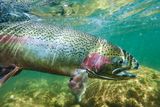
If you want to experience the natural beauty of late summer and early autumn, consider visiting North America's famous salmon runs. These spectacular migrations turn rivers into bustling routes as fish return to spawn. The best times to watch salmon vary by species and conditions, but generally run from late summer through fall.
Some prime locations for viewing include Tsútswecw Park in British Columbia, Brooks Falls in Alaska, Bonneville Lock and Dam on the Columbia River, Humber River in Toronto, and the Salmon River in New York. When viewing salmon runs, stay on designated paths, use binoculars, keep dogs leashed, avoid touching fish or stepping on their nests, and remain in bear country viewing areas.
Remember, these events do not follow a fixed schedule, so check local reports before planning your trip.
For those interested in paleontology, there are numerous fossil hunting sites across the United States. Many locations offer opportunities to find ancient fossils, from Penn Dixie Fossil Park & Nature Reserve in New York with its 380-million-year-old rocks to Utah's U-Dig Fossils with its Cambrian trilobites. Wyoming's Warfield Fossil Quarries allow visitors to search Green River Formation layers for fossil fish.
Keep in mind that each site has its own rules about collecting fossils, so always check regulations before digging. Wear protective gear, use small tools, and avoid unstable areas. Even the smallest fossil can be a remarkable find, potentially the first record of its kind in millions of years.
Finally, if you plan to explore the national parks, remember to practice Leave No Trace principles. These guidelines help preserve these natural wonders for future generations. Properly dispose of all garbage and food waste, take only photos, leave only footprints, respect wildlife, do not feed animals, and never remove artifacts from the parks. By following these simple rules, you can ensure that the national parks remain pristine and enjoyable for all visitors.
Written by urgent.news from Discover Magazine's reporting — not their text. Machine-written — may contain errors; check the original before relying on it.