The revolution is not an Honours class — and history is not a morality tale
Mbuyiseni Ndlozi asks a necessary question about the degeneration of liberation movements, but his answer is a morality tale of heroes, impostors and infiltrators and far too easy for the history he invokes.
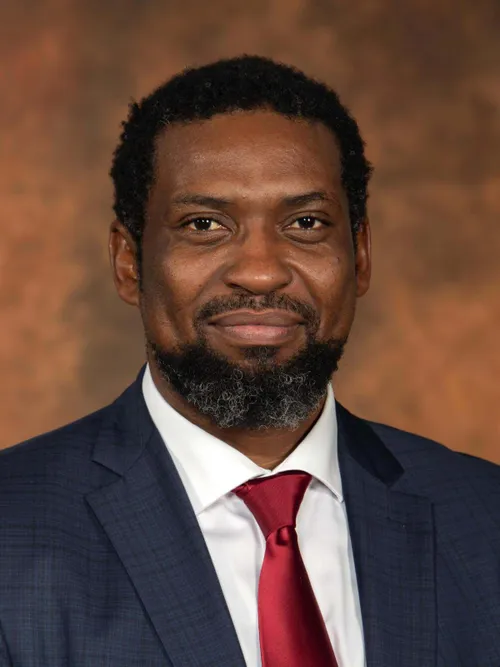
The Samora Machel Symposium at Rhodes University brought together notable figures, including Steve Biko, Chris Hani, and Samora Machel, who are often invoked in contemporary political debates as witnesses against current politicians. Dr. Mbuyiseni Ndlozi's lecture at the symposium highlighted the devastation caused by apartheid and argued that Southern Africa must pool its resources and industrial ambition to determine its place in the world.
However, during the discussion, Ndlozi surrendered the podium to a politician, raising questions about the leadership of revered figures like Biko, Hani, and Machel.
Ndlozi accused these leaders of being impostors, suggesting that corruption, mediocrity, and administrative weaknesses in post-apartheid states were due to their infiltration by the "lowest amongst us." He invoked Biko's generation and questioned why people who were "better than you in class" were not running the country. While Ndlozi's argument about the failures of South African states is compelling, his conclusion that the leaders we admire were replaced by impostors is a revolutionary parlour game rather than a social science analysis. It is a political suspicion cloaked in revolutionary rhetoric.
Ramaphosa's journey from SASO and the Black People's Convention to joining the National Union of Mineworkers and playing a central role in the negotiated transition is not evidence of innocence. Detention under apartheid does not guarantee correct subsequent decisions. Political generations are not factories that produce identical outcomes.
A shared milieu does not produce identical lives. Political analysis should explain how power changes people, not assume that a shared background must result in identical political trajectories.
We cannot convert absence into evidence, such as assuming what Biko would have become after 1994. History denied him those choices. The revolution is not an Honours class, and a country is not handed to the top three learners at a school assembly. To be fair, Ndlozi distinguished between "semi-literacy" and lack of formal education, acknowledging that intelligence and political wisdom are not exclusively linked to formal credentials.
However, this does not validate the assertion that those who performed best in school were the rightful governors. Apartheid's disruption of education for many struggle leaders is a real historical fact, but it does not excuse the current political landscape's problems.
Written by urgent.news from IOL's reporting — not their text. Machine-written — may contain errors; check the original before relying on it.