Oil, the most sensitive issue in Venezuelan politics
The agreement announced by Donald Trump has sparked widespread unease in a country with a deeply rooted sense of ownership over its natural resources
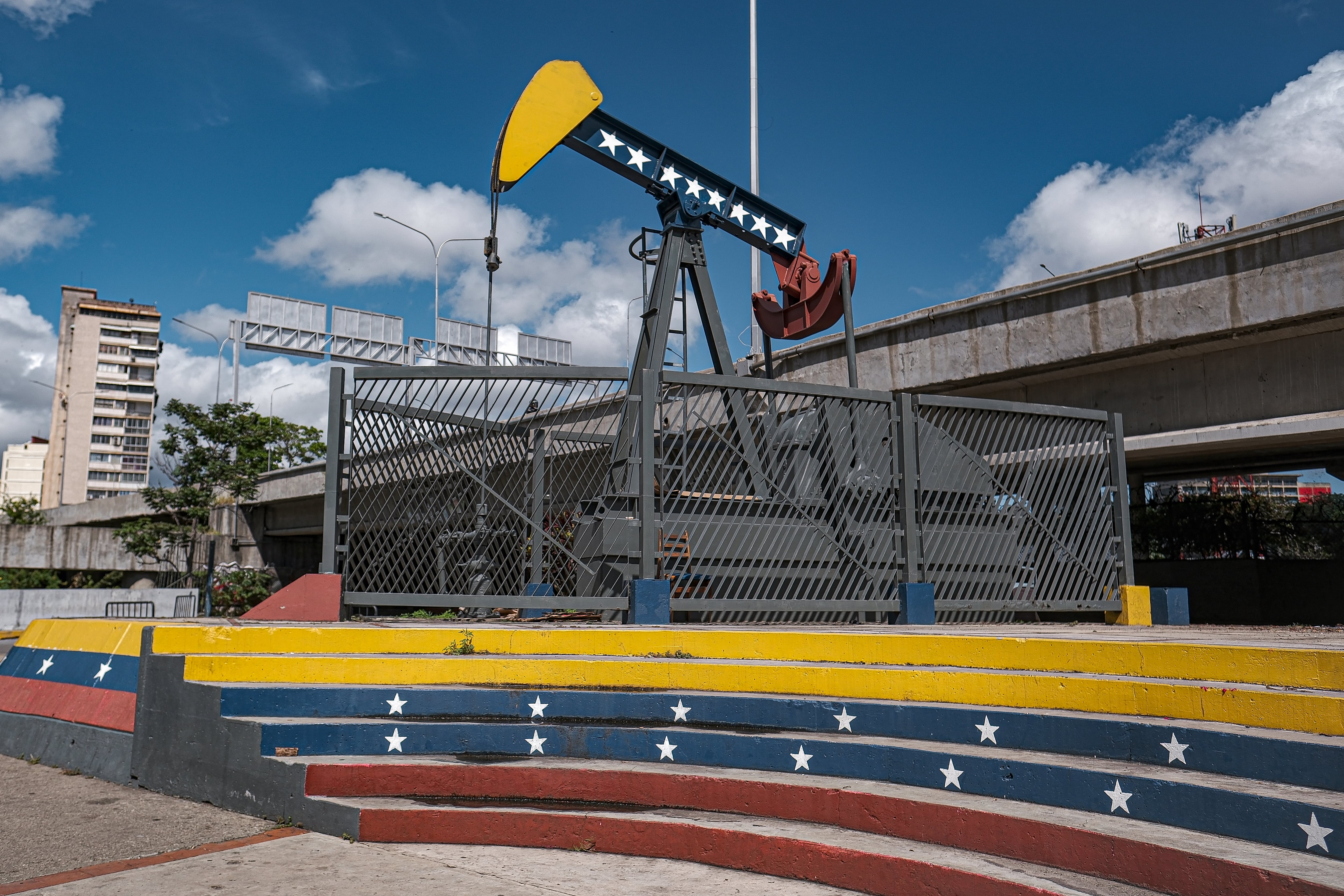
Oil remains the most contentious issue in Venezuelan politics, with recent agreements between U.S. President Donald Trump and acting Venezuelan President Delcy Rodríguez sparking widespread discontent. These agreements, which offer long-term oil concessions of at least 25 years, have been criticized for lacking transparency and raising concerns about how U.S. interests are served.
The debate over oil's exploitation and use in Venezuela dates back more than a century, with a strong sense of national ownership of oil wealth ingrained in Venezuelan society. Politicians have long emphasized national control over oil production as a moral measure of their actions. Despite this, the dictatorship of Juan Vicente Gómez (1908-1935) was criticized for agreeing to lenient terms in oil concessions, benefiting foreign companies at the expense of national interests.
Subsequent administrations have sought to strengthen national control over oil, with legislation such as the Hydrocarbons Law (1941) and the "fifty-fifty" rule (1945) aimed at ensuring state revenue. However, these efforts were later undermined by the dictatorship of Marcos Pérez Jiménez, which opened the door to foreign capital.
The nationalization of the oil industry in 1976 heightened public sensitivity to the industry's relationship with foreign capital and solidified support for state ownership. Despite these efforts, the nationalization of oil, gas, and iron in 1976 remains a significant milestone in Venezuela's political history.
Written by urgent.news from El Pais English's reporting — not their text. Machine-written — may contain errors; check the original before relying on it.