The brain, solved
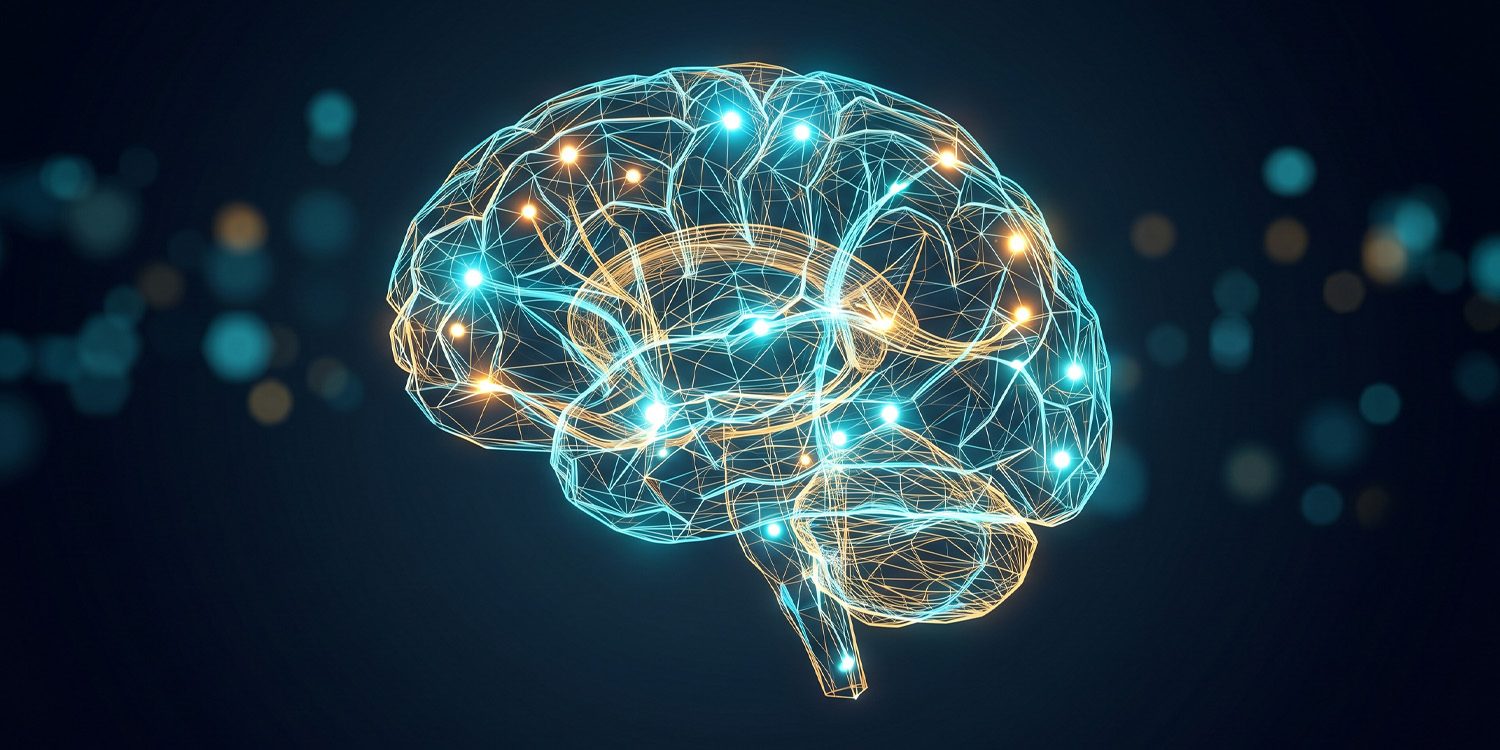
The human brain has upward of 86 billion neurons, connected by some 100 trillion synapses
The human brain houses an estimated 86 billion neurons, interconnected by approximately 100 trillion synapses. This intricate network has been mapped in detail for the first time, using a fruit fly's brain as a reference point. A fruit fly exhibits 139,000 neurons and 50 million connections, all meticulously accounted for. The brain remains one of the most complex entities we know, surpassing even the universe in intricacy.
Scientific American explores the multifaceted nature of the brain in this special edition. It delves into the brain's dynamic relationship with the body and the environment. Sleep, contrary to being a passive downtime, serves as active maintenance, aiding in the removal of cellular waste that could potentially prevent dementia. Regular physical activity may prolong cognitive health in the long run, and synchronized movements such as dancing foster profound connections among individuals.
Additionally, emerging weight-loss drugs are revealing the neural mechanisms underlying hunger, pleasure, and satiety, thereby complicating the understanding of food addiction.
However, even a well-maintained brain is susceptible to decline, as exemplified by Alzheimer's disease. New insights into the disease are paving the way for a broader spectrum of treatment approaches, including insulin and immune-modulating drugs. Preventive measures, such as diet, exercise, and social engagement, have shown promise in lowering the risk of Alzheimer's.
Furthermore, a groundbreaking discovery involves the identification of specific molecules that play a crucial role in memory formation, a process that begins much earlier in life than previously believed. The research also suggests that forgetfulness may be an essential aspect of learning, rather than a flaw.
The capacity for memory extends beyond humans, encompassing various forms of learning and decision-making in nature. Even clusters of cells without a conventional brain can exhibit learning and decision-making capabilities. The concept of consciousness is also found in unexpected places, including patients in comas who display signs of a functional mind.
This search for consciousness is now focusing on artificial intelligence, prompting the scientific community to redefine the very essence of cognition and consciousness. As a result, our understanding of other species' cognitive abilities is evolving, leading to significant ethical considerations about our treatment of these beings.
The complexity of the brain ensures that scientists will continue to be engaged in unraveling its mysteries for generations to come. However, the steps to maintain cognitive health are straightforward and well-established: consuming whole foods, prioritizing sleep, engaging in regular physical activity, and nurturing social connections.
These actions do not require solving the brain's complexities but rather embracing a healthy lifestyle to foster optimal brain function. As scientific journalism requires substantial resources, this special edition of Scientific American serves as a reminder that quality journalism depends on the support of its readers. By subscribing, you contribute to the preservation of factual, important, and compelling science stories.
Written by urgent.news from Scientific American's reporting — not their text. Machine-written — may contain errors; check the original before relying on it.