Bird species rose from 29 to 37 after Colorado couple restored family ranch
Lance and Lisa Wheeler's Colorado ranch has transformed into a sanctuary for grassland birds, boasting a remarkable doubling in species detection since 2019. Their innovative farming methods, coupled with adaptive grazing strategies, promote rich habitats that support diverse wildlife. As evidenced by a 26% increase on the ranch's Bird-Friendliness Index, this holistic approach successfully…
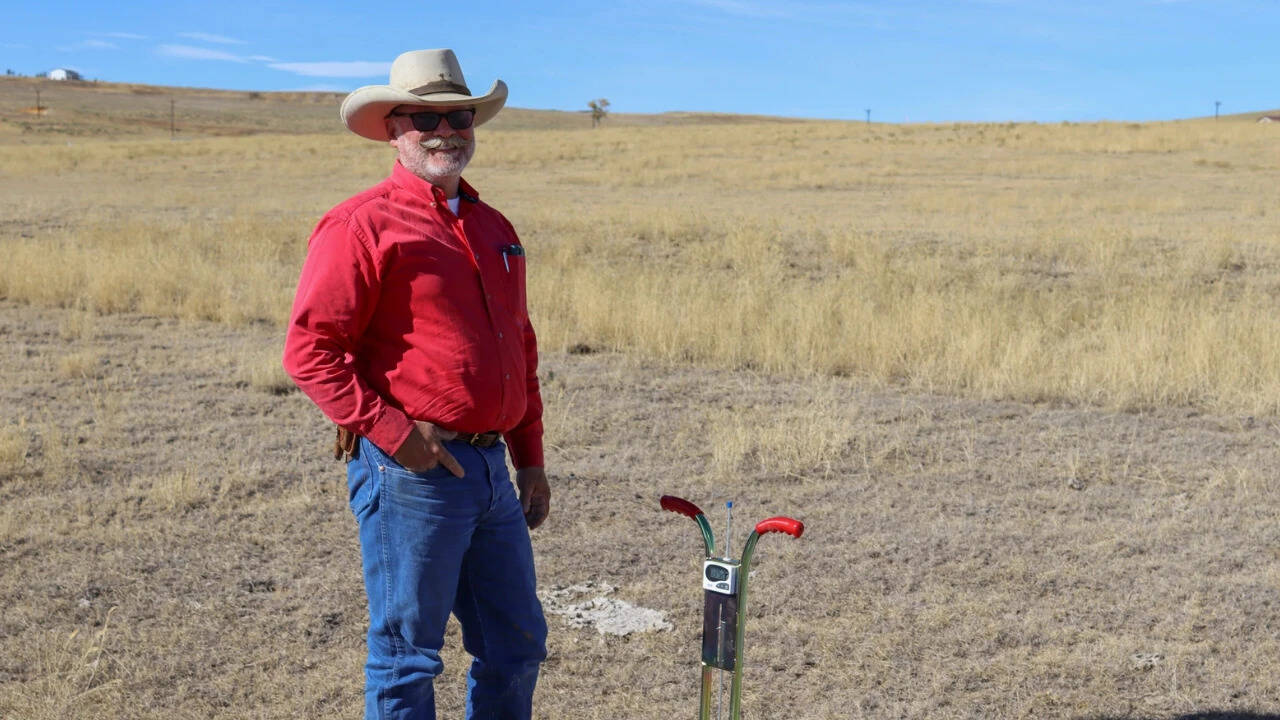
Lance and Lisa Wheeler, a Colorado couple, transformed their family ranch from a modest venture into a thriving conservation landscape. Starting in the early 1990s, the couple raised grass-fed meat, poultry, and eggs on a small Elizabeth, Colorado property. Their ambition expanded in 2014 when they purchased neighboring land in Elbert County and created Rafter W Ranch, which now produces grass-fed beef, poultry, and eggs for online distribution.
Over a decade, the Wheeler's ranch has become a haven for grassland birds. Audubon Rockies, a conservation organization, reported that bird species recorded at Rafter W Ranch increased from 29 in 2019 to 37 in 2025, with grassland-bird detections doubling from 178 to 356. The Bird-Friendliness Index, a measure that considers bird abundance, diversity, and resilience, rose by about 4% annually, resulting in a 26% increase since monitoring began.
The Wheelers' approach to ranching combines regenerative agriculture with habitat management. They use adaptive and rotational grazing, allowing cattle to graze strategically across the property to create areas with varying grass heights. This variation supports different bird species, which depend on specific grassland habitats.
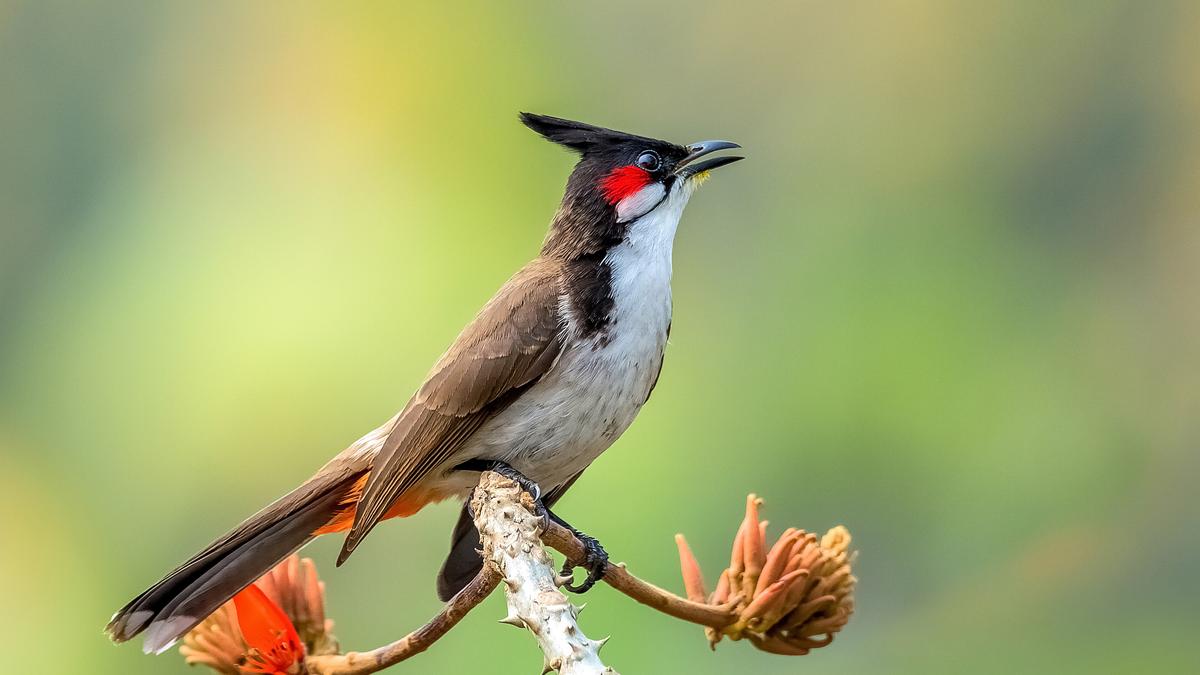
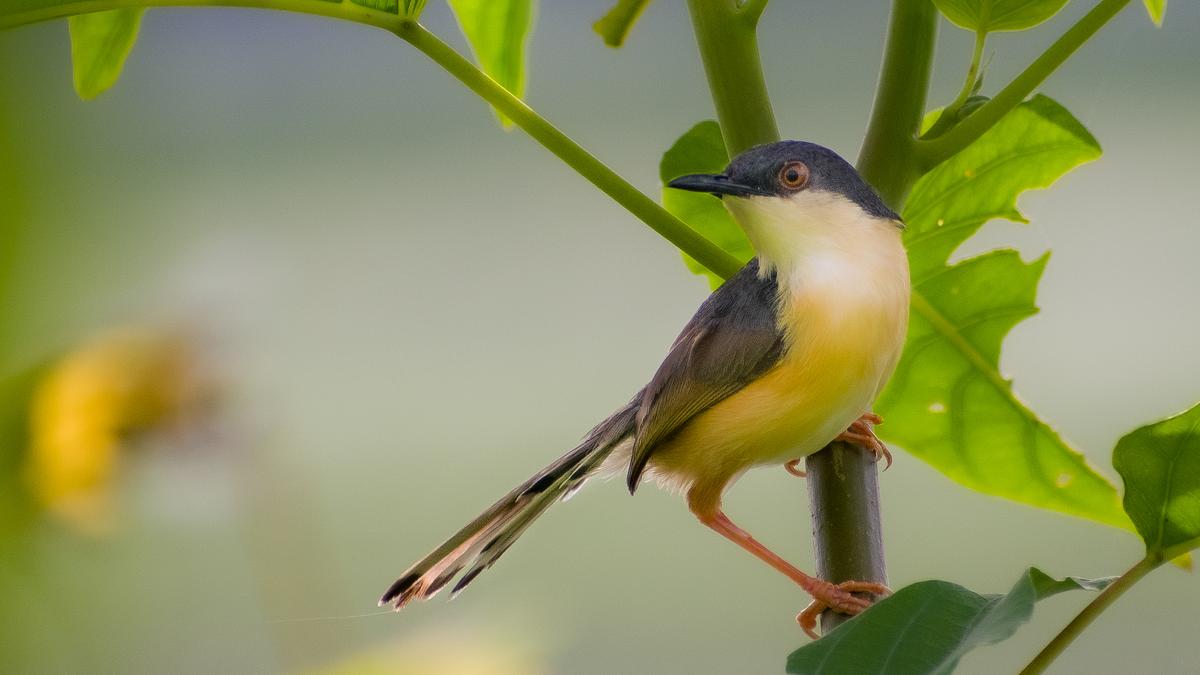
The ranch now hosts Western Meadowlarks, American Kestrels, Upland Sandpipers, Lark Buntings, Vesper Sparrows, and Loggerhead Shrikes, among other species. The family also keeps free-range chickens that help manage manure and enrich the soil.
Audubon Conservation Ranching Director Dusty Downey attributes the success to the Wheelers' adaptive grazing practices and their willingness to adjust methods based on research and observations. Beyond livestock production, the ranch engages in soil-health monitoring, erosion control, and water infiltration projects. The Wheelers also open their property for educational programs, including bird walks and youth ranch experiences.
For Lance Wheeler, the ranch represents a rewarding and humbling way of life that has evolved beyond his childhood dream of becoming a cowboy. The ranch's work has demonstrated the positive impact of holistic management on both livestock and wildlife, as evidenced by the increase in bird species and grassland-bird detections.
Written by urgent.news from Times of India's reporting — not their text. Machine-written — may contain errors; check the original before relying on it.