Expert Explains | How preparing for disasters in the Himalayas can help save lives
Anshuman Bhardwaj, Head of Department at the School of Geosciences at the University of Aberdeen, emphasizes the importance of shifting from reactive to proactive measures in disaster preparedness within the Himalayan region. He co-authored a study published in Nature Sustainability, which compared the 2021 rock-ice avalanche in Chamoli, India, with a 2019 avalanche in Blatten, Switzerland.
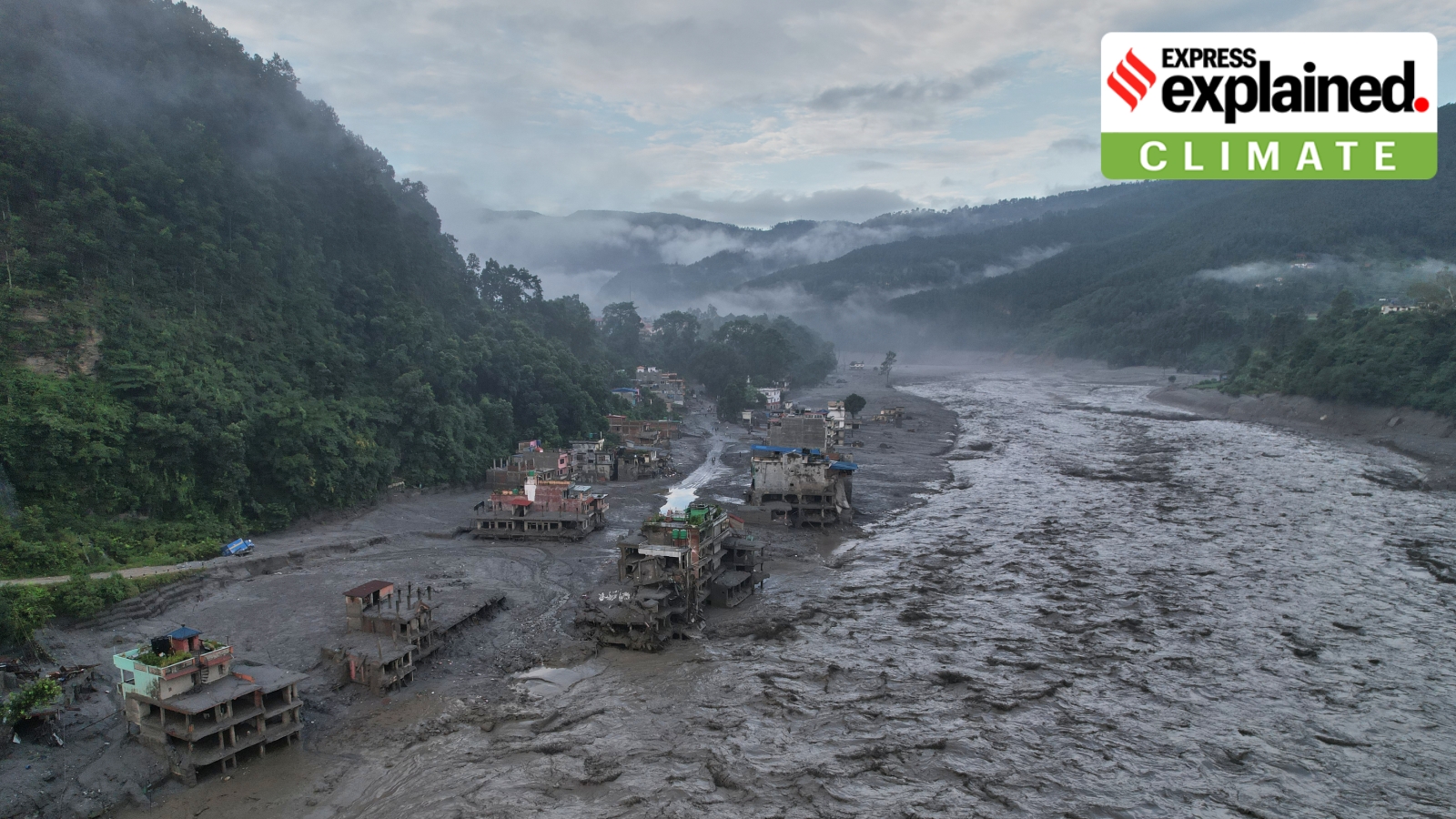
In both events, the cascading nature of the disaster—transitioning from a rock-ice avalanche to a devastating debris flow and flood—resulted in numerous casualties.
The study highlights that the hazard chain extends far beyond the initial instability of the source slope. It involves water, sediment, and boulders entrained during the avalanche, which can travel downstream, affecting roads, settlements, and infrastructure like hydropower plants. This underscores the need for hazard zoning and infrastructure planning that considers the full cascade pathway.
Preparedness is increasingly vital given the warming climate in the Himalayas, which is making conditions that destabilize ice and rock more widespread. Satellite observations and multi-year datasets can help monitor progressive deformation and changes in potentially unstable slopes. While these observations cannot predict every failure, they serve as a screening mechanism to identify slopes that require closer and more frequent monitoring.
However, monitoring is only effective when it leads to action. Clear thresholds, rapid scientific interpretation, defined responsibilities, reliable communication, and pre-agreed response or evacuation procedures are essential. The approach should start with regional satellite screening, followed by targeted field-based monitoring in susceptible, vulnerable, and exposed locations, ultimately culminating in actionable warnings.
Given that cross-border disasters are common, timely data sharing, joint monitoring, and coordinated emergency communication across shared river basins are crucial. These measures should be integral to disaster preparedness.
Lastly, it's important not to rush into process attribution during emergencies. While a swift understanding of the event is crucial for assessing immediate risks, accurate process attribution requires a multidisciplinary and multi-institutional investigation. The Dharali event serves as a reminder of this, as different processes can lead to similar downstream impacts but have vastly different implications for hazard assessment, monitoring, and mitigation.
Written by urgent.news from The Indian Express's reporting — not their text. Machine-written — may contain errors; check the original before relying on it.