South Korean presidential policy chief quits over AI chip investment row
SEOUL, Sept 1 — The top policy adviser to South Korea’s president has resigned, officials said Tuesday, foll...
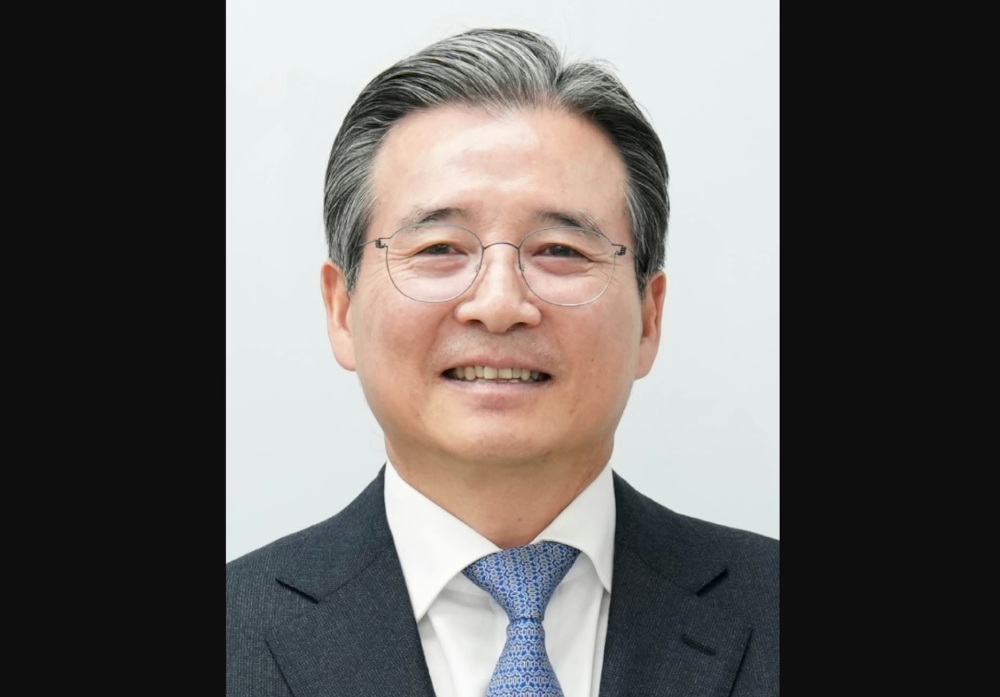
South Korea's president, Lee Jae Myung, has recently undergone a significant cabinet reshuffle, including the appointment of new finance and defense ministers, in an effort to boost public support. Amidst this political upheaval, the top policy adviser to the president, Kim Yong-beom, has resigned, following criticism over speculative investment products linked to the nation's leading AI chip manufacturers.
Kim submitted his resignation on Monday, which was accepted by President Lee on the same day, according to a press briefing by a presidential spokesperson.
The controversy surrounding Kim's departure stems from the introduction of single-stock leveraged exchange-traded funds (ETFs) in late May, which tracked Samsung Electronics and SK hynix, two of South Korea's prominent AI chip suppliers. These products, overseen by Kim, utilize a mechanism that amplifies both gains and losses of stocks by two times, thereby exposing retail investors to heightened volatility and market speculation.
Analysts have suggested that the sharp decline in SK hynix's stock price in July may be attributed to the sell-off triggered by these ETFs rather than any fundamental issues.
Opposition politicians have vehemently criticized the government and the presidential office for their decision to launch these investment products, while regulatory bodies have expressed regret for their approval. In response to the backlash, the government has imposed restrictions on cash buyers of these funds, requiring a minimum deposit of 30 million won (approximately RM88,826).
President Lee's approval rating has plummeted below 40 percent for the first time since his inauguration in June 2025, plummeting to 38.9 percent, with extreme market volatility and public dissatisfaction over his real estate policies cited as key factors in this decline.
In an attempt to capitalize on the burgeoning chip industry and boost long-term growth, South Korea unveiled plans for a 162.3 trillion won "Future Fund" next year. The fund will allocate record tax revenues from the AI boom towards long-term growth initiatives, focusing on four key areas: youth development, growth industries, regional economies, and education.
Kim had previously proposed using excess tax revenue from the AI boom, dubbed a "citizen dividend," to support startups and young individuals. However, critics argued that such windfall revenues should not be used to fund recurring expenditures. Kim clarified that his proposal involved distributing surplus tax revenue, not relying on corporate profits.
The budget ministry emphasized that the Future Fund would draw on anticipated tax revenues rather than an unforeseen, short-term windfall exceeding government projections.
Written by urgent.news from Malay Mail's reporting — not their text. Machine-written — may contain errors; check the original before relying on it.
This story
This is one outlet's version. Read the fullest account.
- South Korean finance minister nominee vows to advance AI projects economictimes.indiatimes.com