Opec+ seen likely to keep oil output policy unchanged on Sunday
Opec+ is likely to keep its oil output policy unchanged for October at a meeting on Sunday, three sources close to the matter told Reuters, as the producer group completes the unwinding of one layer o...
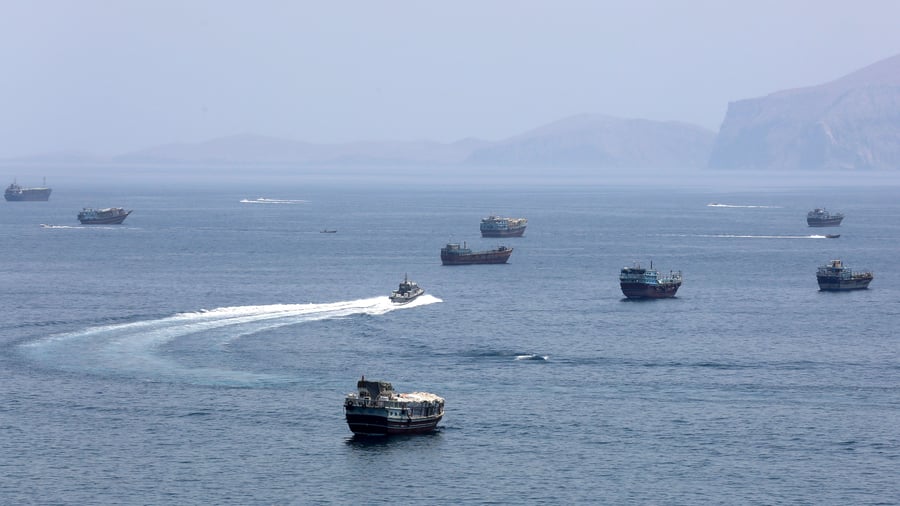
Opec+ is expected to maintain its oil output policy unchanged during their Sunday meeting, according to three sources familiar with the situation, as the producer group concludes the phase-out of a recent production cut and concentrates on 2027 quota discussions. The gathering occurs amid the ongoing Iran conflict, which continues to disrupt oil shipments through the Strait of Hormuz, weakening Opec+'s control over prices and market share.
Contrary to previous instances, the group's supply choices now have a reduced impact on the market. The Sunday meeting will include seven main Opec+ members: Saudi Arabia, Russia, Iraq, Kuwait, Algeria, Kazakhstan, and Oman. These nations have been incrementally raising monthly production quotas for most of the year, yet real output has often failed to match the planned quota escalations due to disruptions from the Iran and Ukraine wars.
Opec+ encompasses the Organization of the Petroleum Exporting Countries and its allies, such as Russia. The dominant producer, Saudi Arabia, along with Russia, did not immediately comment on the matter. This month's quota rise, decided in early August, completed a step-by-step reduction of a 1.65-million-barrel-per-day supply cut initially agreed in 2023, when the group still comprised the United Arab Emirates, which left Opec in May.
Opec+ still retains another layer of production cuts, applicable to most members until the end of 2026, while also evaluating members' oil production capacity to establish 2027 output benchmarks, which serve as the foundation for quotas. The review, being carried out by Texas-based DeGolyer and MacNaughton for the majority of members, is anticipated to deliver its report to Opec by the end of September, potentially leading to rigorous negotiations before the group sets new production baselines during its year-end assembly.
Certain members, including Iraq, have advocated for higher quotas to account for their heightened production capability. The UAE departed from the group primarily because it perceived its quota did not reflect its expanding capacity. Additionally, Venezuela is contemplating a withdrawal from Opec, as reported by Bloomberg News last week.
Written by urgent.news from Gulf Times Business's reporting — not their text. Machine-written — may contain errors; check the original before relying on it.