Nepal issues fresh flood alert as water levels rise; death toll surpasses 1,000
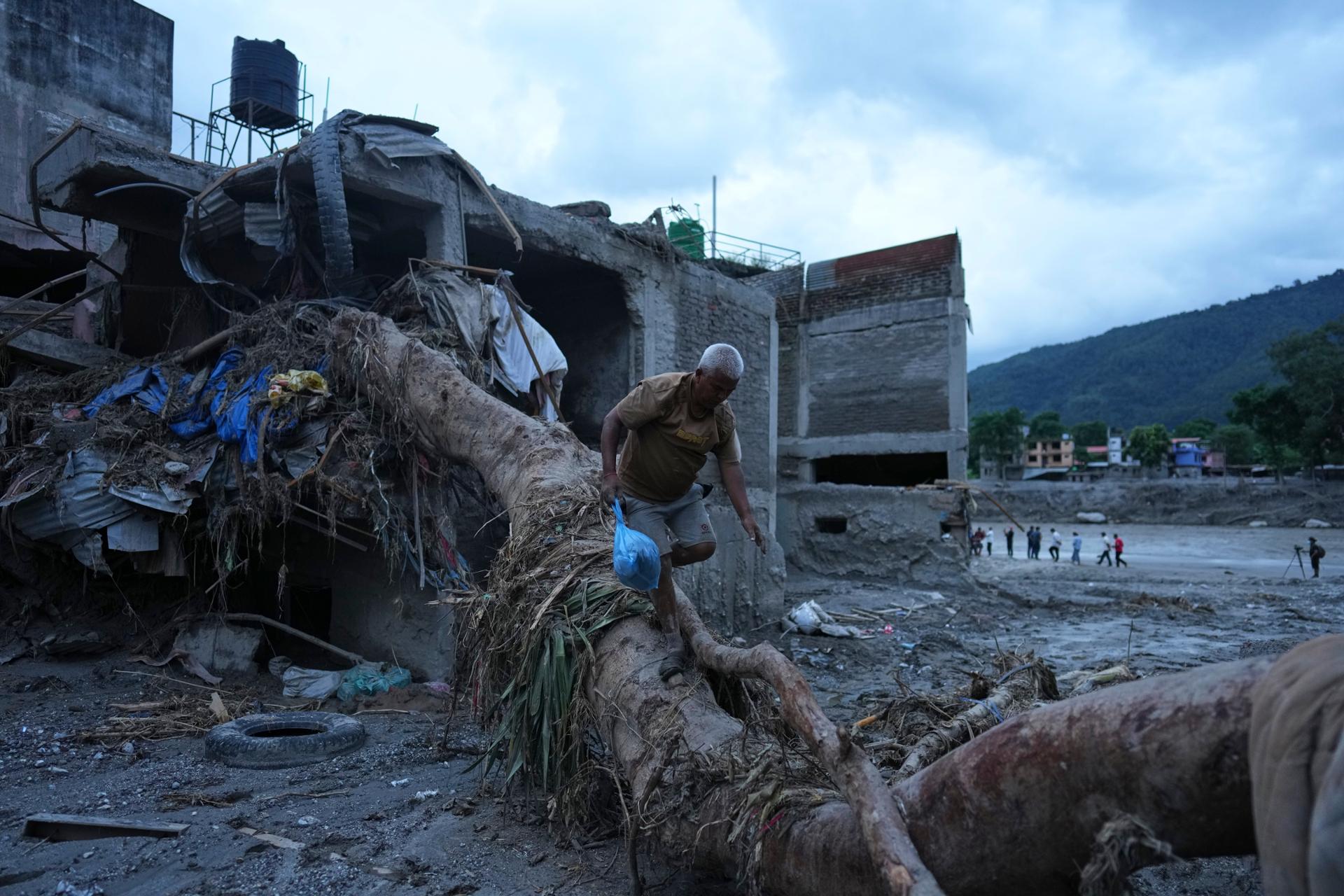
The border between Nepal and China is reeling from catastrophic flash floods that have claimed more than a thousand lives. Rescue teams are in a race against time, searching for hundreds of individuals still unaccounted for, many of whom may be trapped in hydropower tunnels. The disaster was triggered by a sudden glacial collapse, leading to a devastating surge of water and debris that has…
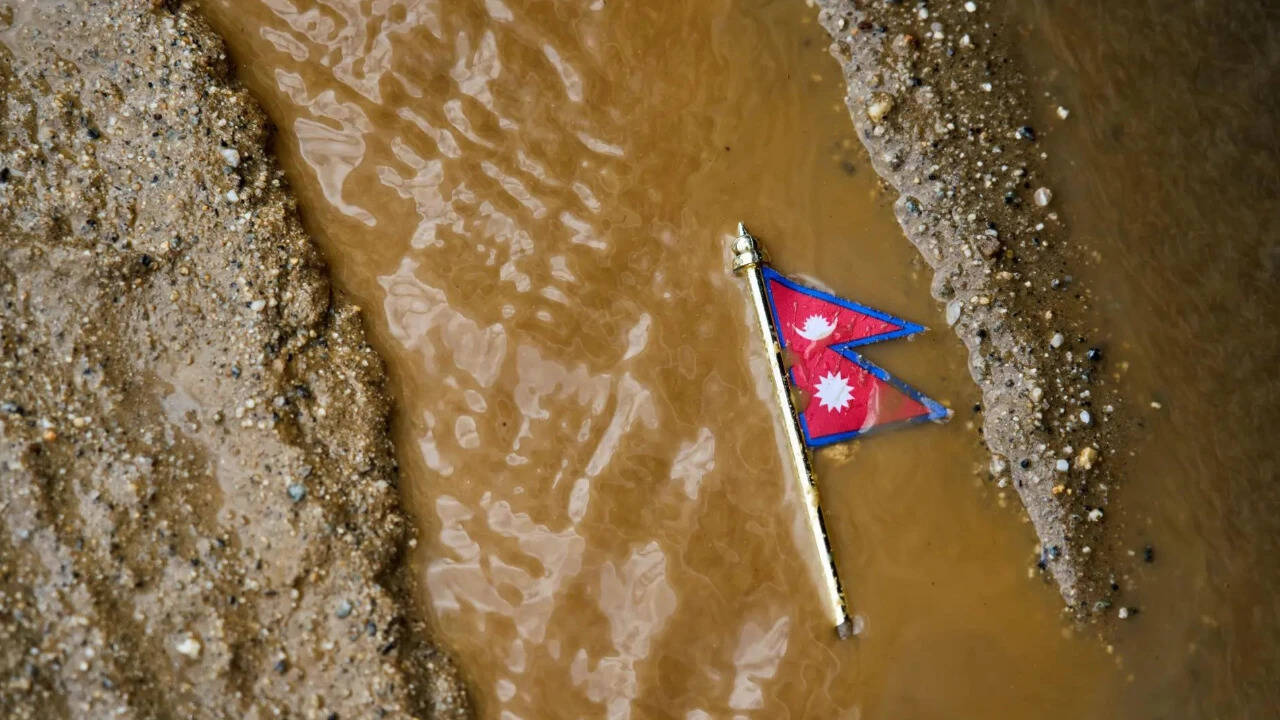
The death toll from recent flooding in Nepal and China has risen above 1,000, with 987 people reported deceased in Nepal and 16 in China. Rescue operations persist as communities remain isolated due to destroyed infrastructure. Nepal's disaster agency disclosed that 3,916 individuals are still missing, including 583 foreigners. Over 11,814 people have been rescued thus far, utilizing helicopters and other aircraft to access affected areas.
The calamity commenced on August 26 following a glacial collapse high in the Himalayas, releasing massive amounts of rock, ice, and meltwater into valleys below. Scientists hypothesize that the collapse resulted from bedrock failure beneath a glacier, registering as a 5.2 magnitude earthquake. Consequently, the ensuing floodwaters and debris inundated rivers, obliterating homes, structures, roads, and bridges, and scattering mud and rocks downstream.
Nepal has introduced a new flood alert as water levels surge in various districts, amplifying apprehensions of further hindrances during ongoing rescue and relief initiatives. The Ministry of External Affairs has also provided India's helpline numbers for Indian nationals stranded in Nepal. Among the rescued are 39 Kailash Mansarovar pilgrims from Tiruppur, Tamil Nadu, who were returned to India after being rerouted due to the flooding.
The pilgrims had crossed into China before the disaster and managed to evade the worst impacts. Their journey home was rerouted through the cooperation of Chinese, Nepalese, Tamil Nadu, and Indian authorities. One pilgrim, Yogesh, recounted the ordeal, highlighting the disruption caused by the flood, including the impact on immigration and the absence of villages.
The Indian Embassy in Nepal has outlined procedures for families seeking to identify the deceased relatives of Indian citizens affected by the floods. Forensic identification is crucial as remains are temporarily stored to prevent health risks.
Written by urgent.news from Times of India's reporting — not their text. Machine-written — may contain errors; check the original before relying on it.