Nepal flood death toll crosses 1000, nearly 4000 still out of contact
Kathmandu: Over 1000 people have now been confirmed dead following last week's devastating floods in Nepal even as bodies swept away continue to pile up along riverbanks in different districts, on Tuesday.
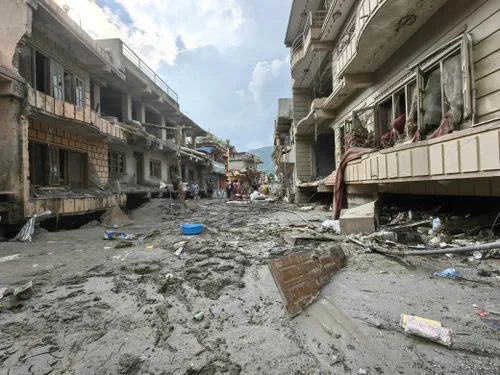
Kathmandu reports over 1000 fatalities from recent floods in Nepal, with 3,916 people still missing including 583 foreigners. The National Disaster Risk Reduction and Management Authority (NDRRMA) confirms 1,003 bodies recovered, with 321 in Chitwan and 216 in Nawalparasi East. Nepali Army, Armed Police Force and Nepal Police are among the missing.
Operations continue to rescue and provide relief, with 21,314 security personnel mobilized. 11,884 people have been rescued so far. Joint efforts are underway at various hydropower projects such as Chilime, Langtang, Upper Trishuli-1, and Trishuli-3A.
Written by urgent.news from IOL's reporting — not their text. Machine-written — may contain errors; check the original before relying on it.
Also reported by 10 other outlets
- Nepal death toll crosses 1,000 as rescuers race to find workers trapped in mud-filled tunnels kahawatungu.com
- Nepal flood death toll reaches 939, rescuers push on dailytimes.com.pk
- Nepal death toll crosses 1,000 as rescuers race to find workers trapped in mud-filled tunnels gbcghanaonline.com
- Hundreds of Nepal flood survivors trapped near hydroelectric plant cbsnews.com
- Nepal flood death toll rises to 1,050 as rescue efforts continue english.ajel.sa
- Rescuers battle flood debris, mud at Nepal hydropower tunnel as victims' families say ‘we still have hope’ hindustantimes.com
- Nepal death toll crosses 1,000 as rescuers race to find workers trapped in mud-filled tunnels myjoyonline.com
- Nepal flood: Death toll tops 1,000 as rescue continues dw.com
- and 2 more