Namibia greenlights controversial project to dredge phosphate from seabed
Namibia has granted an environmental clearance to a controversial marine phosphate extraction project. The clearance allows the Sandpiper Project, operated by Namibian Marine Phosphate (NMP), to dredge the seabed off the coast of Walvis Bay for phosphate. Environmentalists are concerned about the impact on the country’s fisheries sector and the potential health impacts from consuming […]
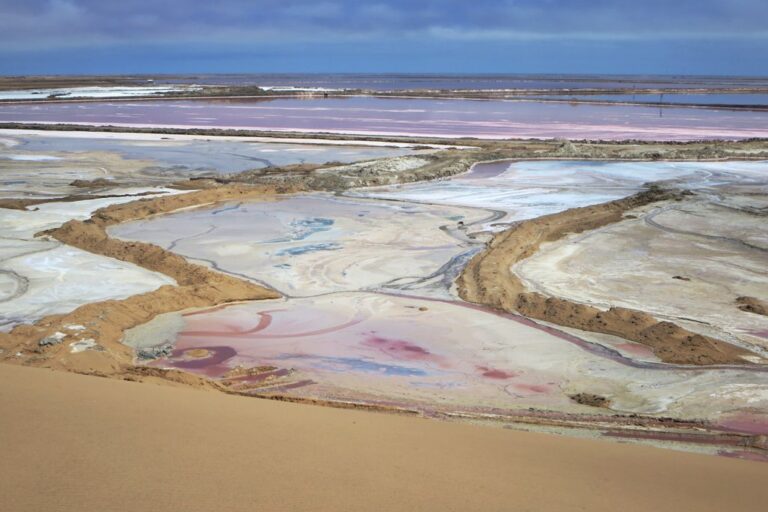
Namibia has approved an environmentally controversial marine phosphate extraction project, allowing the Sandpiper Project to dredge the seabed off the coast of Walvis Bay for phosphate. Environmentalists express concerns over the potential impact on the fisheries sector and the health implications from consuming fish bred in the designated areas.
The Environmental Clearance Certificate, issued by the Ministry of Environment, Forestry and Tourism on August 5, permits industrial mining within concession 170 in Namibia's Exclusive Economic Zone, covering approximately 2,234 square kilometers of the Atlantic seabed. NMP intends to extract phosphate-rich sediments from depths of 180-250 meters through a process known as dredging, which involves removing sediments and debris from the bottom of water bodies.
Critics, including the nonprofit Ocean Conservation Namibia, argue that the large-scale development could significantly affect the Benguela marine ecosystem, Namibia's fishing industry, and marine conservation efforts.
Written by urgent.news from Mongabay's reporting — not their text. Machine-written — may contain errors; check the original before relying on it.