Why do baby snakes all coil the same way inside their eggs? Scientists finally have an answer
Before a baby snake ever slithers across the ground, it performs an unusual manoeuvre inside its egg. Its rapidly growing body winds into a tight spiral. More intriguingly, during early development, that spiral almost always turns in the same direction: clockwise, or right-handed. Get updated faster and for FREE: Download the Gulf News app now - simply click here. Scientists have now discovered…
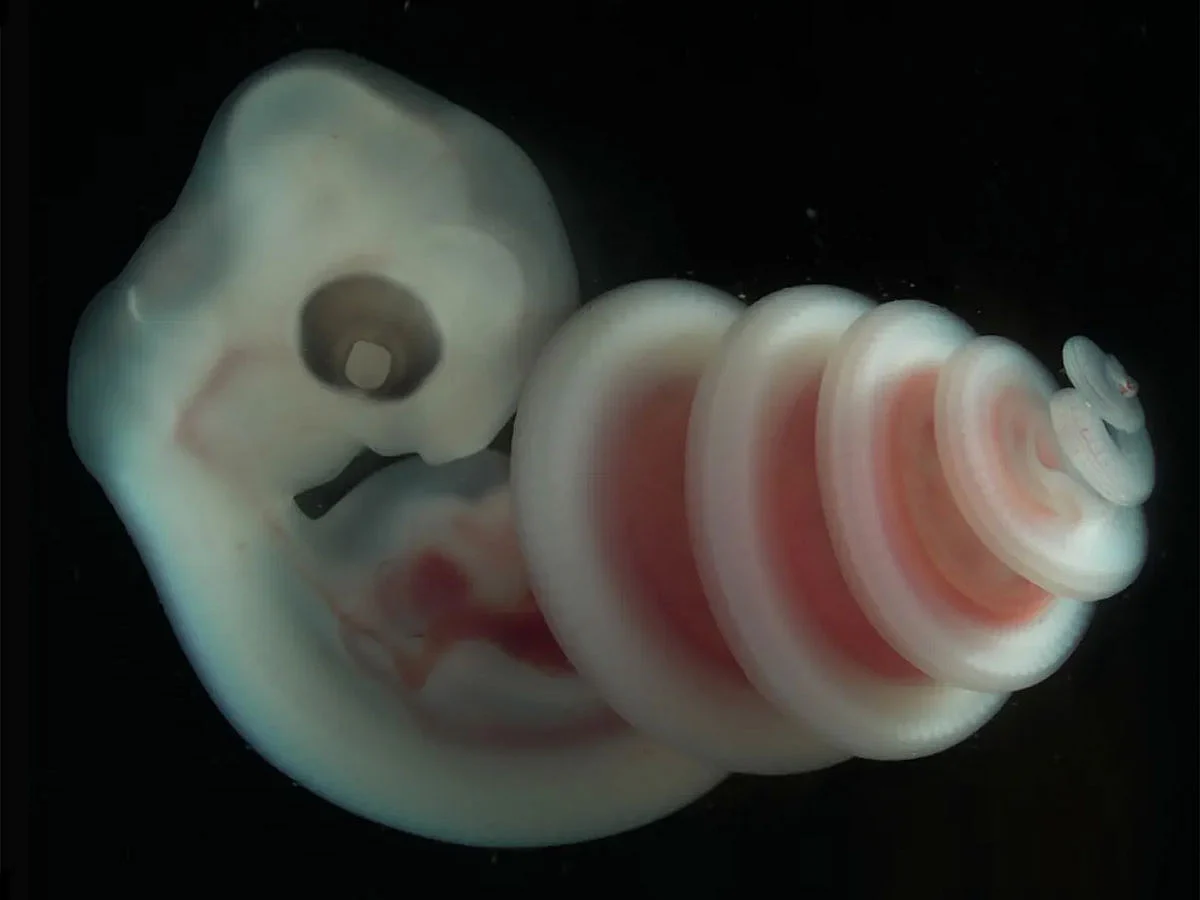
Before a baby snake emerges from its egg, it demonstrates an unusual behavior inside the eggshell. Its body rapidly coils into a tight spiral, predominantly in a clockwise, or right-handed, direction. This orientation has remained a mystery to scientists until now. A recent study, published in Current Biology, has uncovered the reason behind this consistent spiral formation.
The research team examined over 900 snake embryos, using CT scans to observe their development. They discovered that the body's growth outpaces the digestive system's growth, creating a mismatch that causes the body to buckle and coil around a shorter digestive tract, forming the distinctive spiral shape. This phenomenon is attributed to the "visceral pillar," a central structure formed by the slowly developing digestive tract around which the rapidly lengthening body coils.
The study also found that the yolk's position on the left side of the embryo contributes to the right-handed spiral, as the body tends to extend away from the yolk. As the snake continues to develop, its gut catches up with the rest of its body, allowing for a reorganization of the embryo's position. This discovery provides insight into how snakes evolved their elongated bodies, fitting their long bodies into small eggs.
Written by urgent.news from Gulf News's reporting — not their text. Machine-written — may contain errors; check the original before relying on it.