Japan relaxes overtime rules under workaholic Takaichi: ‘unacceptable shift’
Japan eased overtime regulation starting on Tuesday in a move meant to help spur economic growth but criticised as a relapse into the country’s ingrained workaholic culture. The move comes after the government led by Prime Minister Sanae Takaichi – a self-proclaimed workaholic – adopted a growth strategy in July, calling for revisions to the current oversight of work hours. The change in part…
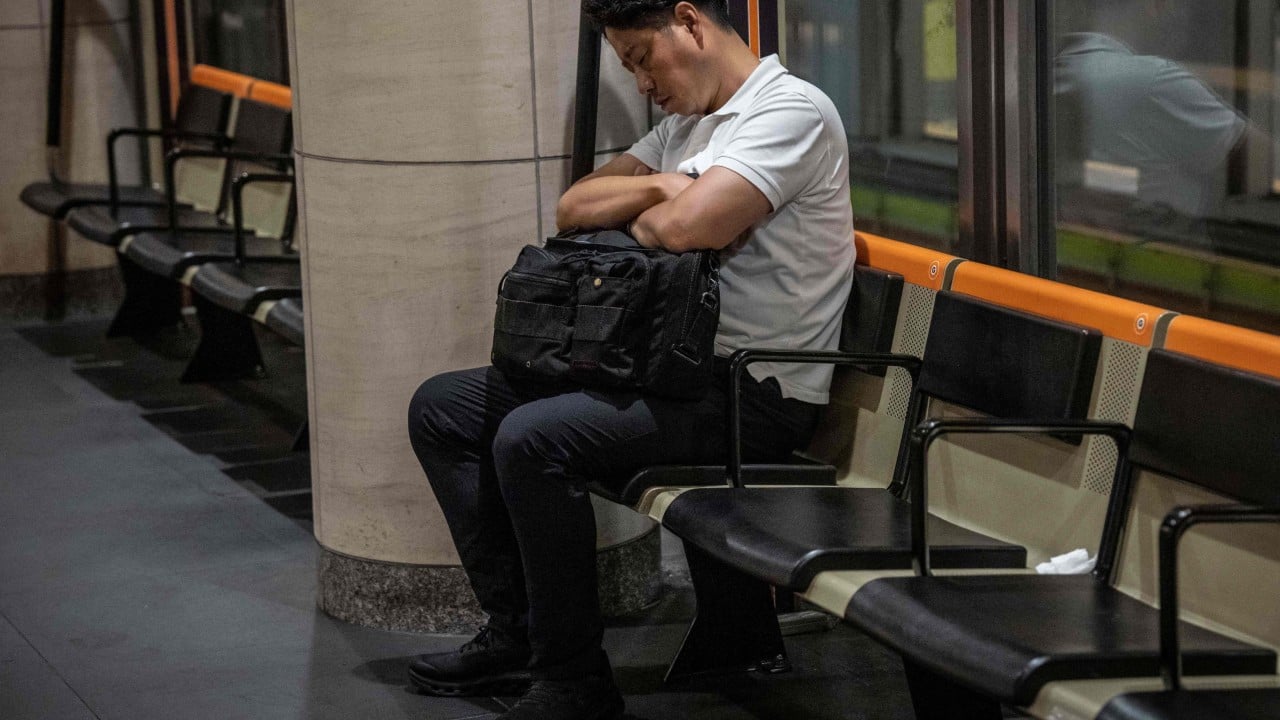
Japan began easing overtime regulations on Tuesday, a move aimed at boosting economic growth but criticized as a return to the nation's long-standing workaholic culture. Prime Minister Sanae Takaichi, who has been vocal about her own work ethic, spearheaded the change in July as part of a broader growth strategy. The shift is partly a response to calls from businesses struggling with a shortage of workers.
Currently, roughly 40% of Japanese companies are bound by labor-management agreements that permit up to 100 hours of monthly overtime, although these firms are still advised to cap overtime at 45 hours per month. Authorities feared that exceeding the 45-hour cap could heighten the risk of "karoshi," or death from overwork. However, starting this week, labor standards inspection offices will no longer enforce the 45-hour limit.
The Japan Chamber of Commerce and Industry reported in May that this pressure was limiting activity for about 20% of small and mid-sized businesses, particularly in industries facing labor shortages like construction, transport, and hospitality. While proponents argue the change could help revitalize the economy, critics argue it represents a step backward in Japan's efforts to improve work-life balance.
The National Confederation of Trade Unions, known as Zenroren, called the move an "unacceptable shift away from, and abolition of, the policy that urged companies to shorten work hours." The labor ministry vowed to monitor companies to ensure they take steps to safeguard employee well-being, but could provide guidance again if there's evidence excessive work is harming workers' health.
Written by urgent.news from South China Morning Post's reporting — not their text. Machine-written — may contain errors; check the original before relying on it.
Also reported by 3 other outlets
- Japan to relax overtime regulation under workaholic PM koreatimes.co.kr
- Japan to relax overtime rules under ‘workaholic’ PM freemalaysiatoday.com
- Japan to relax overtime regulation under workaholic PM Takaichi channelnewsasia.com