How a super El Niño is fueling extreme weather patterns
The potentially record-breaking El Niño has brought a relentless stretch of extreme weather across the country. Experts watching the climate and weather patterns are warning that the effects could persist well into 2027. William Brangham discussed the super El Niño with WFLA meteorologist Jeff Berardelli.
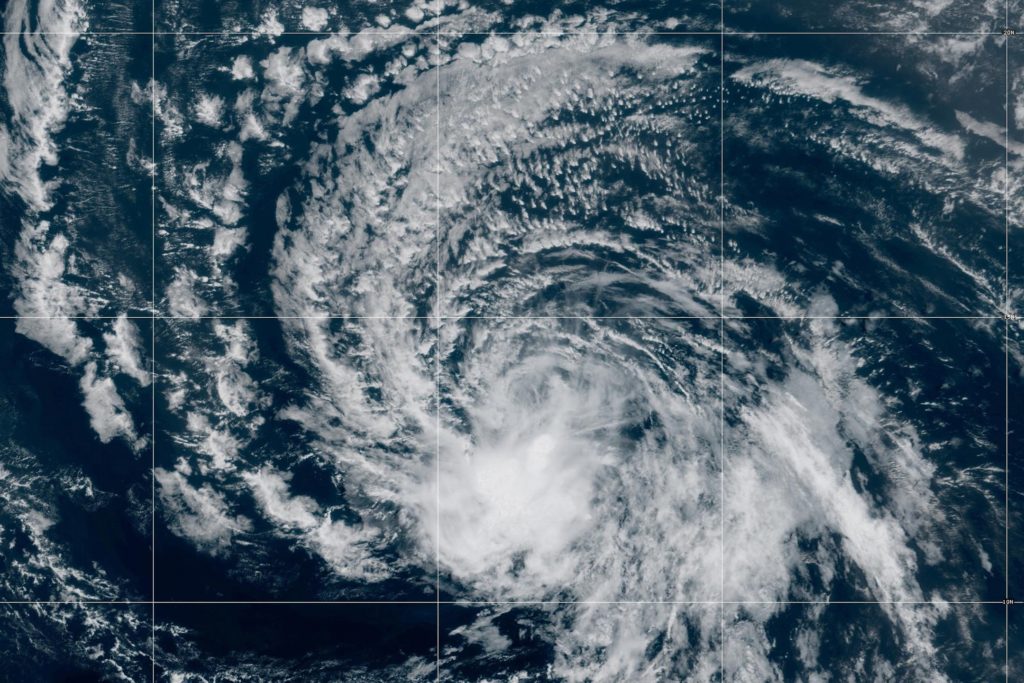
The potentially record-breaking Super El Niño, brewing in the Pacific Ocean, is intensifying extreme weather patterns across the United States and globally. This summer has witnessed a relentless series of extreme events, ranging from deadly flash floods in the Grand Canyon to hurricanes threatening Hawaii, along with prolonged heat waves across numerous regions. Experts are closely monitoring the climate and weather patterns associated with this Super El Niño, warning that their effects could continue well into 2027.
William Brangham spoke with WFLA meteorologist Jeff Berardelli about the implications of this extraordinary El Niño. Berardelli explained that an El Niño is characterized by the warming of surface waters in the Eastern Tropical Pacific Ocean, which can shift weather patterns worldwide due to the redistribution of heat. This particular El Niño is exceptionally potent, dubbed a "Super El Niño," with surface temperatures reaching unprecedented levels, far exceeding the previous record of 2.8 degrees Celsius.
The Super El Niño's strength is attributed to the excessive heat trapped in the ocean due to global warming, with about 90% of this excess heat stored in the ocean. This heat is eventually released, exacerbating weather extremes around the world.
The Super El Niño is expected to bring significant impacts to the United States, particularly in the southeastern region and Florida, where it may lead to a very wet and possibly record-breaking winter. The weather patterns suggest a wetter-than-average and cooler-than-normal winter for southern states, with California potentially experiencing a rainy and cloudier winter, resulting in cooler temperatures.
However, snowstorms are less likely due to the anticipated warm temperatures in the northern tier of states, including the Great Lakes and Northeast regions.
Berardelli emphasized that this Super El Niño is a direct consequence of climate change, as the increased heat in the ocean is a result of global warming. While all oceans are warming, the Super El Niño's intensity is amplified by the additional heat trapped in the ocean due to climate change, making it a more potent weather driver than in previous El Niño events.
Written by urgent.news from PBS NewsHour Health's reporting — not their text. Machine-written — may contain errors; check the original before relying on it.