Haze in Malaysia: Why burning leaves and rubbish in your compound is more dangerous than you think
KUALA LUMPUR, Sept 1 — Small-scale burning activities such as burning rubbish, leaves and dry branches in resident...
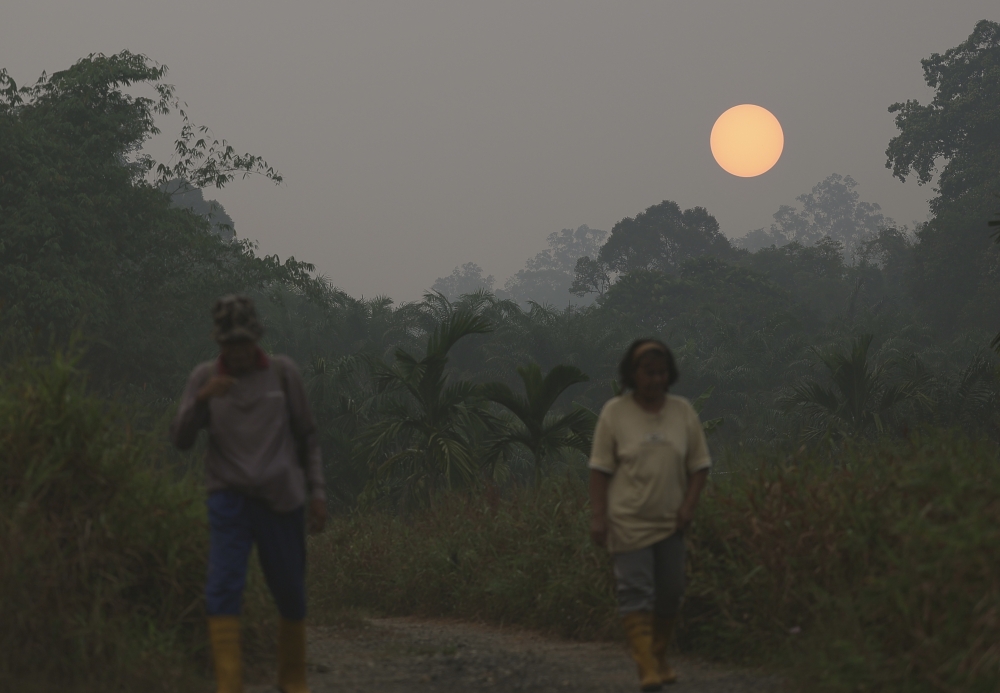
KUALA LUMPUR, Sept 1 — Small-scale burning activities like rubbish, leaves, and dry branches in residential yards may seem minor, but they can exacerbate local air pollution, say experts. Prof Aweng Eh Rak of Universiti Malaysia Kelantan's Faculty of Earth Sciences explained that even small-scale open burning can trap smoke in one area, leading to high concentrations of harmful smoke.
This is more hazardous than smoke released through a chimney, he told Bernama. During current haze conditions, open burning could further enhance pollutant concentration, especially when air circulation is poor. Villages, with their limited airflow, are particularly vulnerable, Aweng warned. Main pollutants from open burning include fine particles (PM10 and PM2.5) which are harmful when inhaled.
Aweng advises against burning organic waste like leaves and branches. Instead, he suggested composting, mulching, or natural decomposition. Prof Mohd Talib Latif of UKM's Institute for Climate Change emphasized that while transboundary pollutants largely contribute during haze episodes, local sources still play a significant role.
He added that meteorological factors, such as wind, temperature, rainfall, and humidity, also influence haze conditions. The Malaysian Meteorological Department and UKM researchers have developed MyCMAQ to forecast air quality based on hotspots and wind movement. Additional contributors to local air pollution include vehicle use and combustion-generated energy, Mohd Talib pointed out.
Written by urgent.news from Malay Mail's reporting — not their text. Machine-written — may contain errors; check the original before relying on it.
This story
This is one outlet's version. Read the fullest account.