Global bond sell-off, surging oil prices send markets into the red
Investors fear an energy-driven inflation could trigger rate hikes, with tighter monetary policy hurting economic growth.
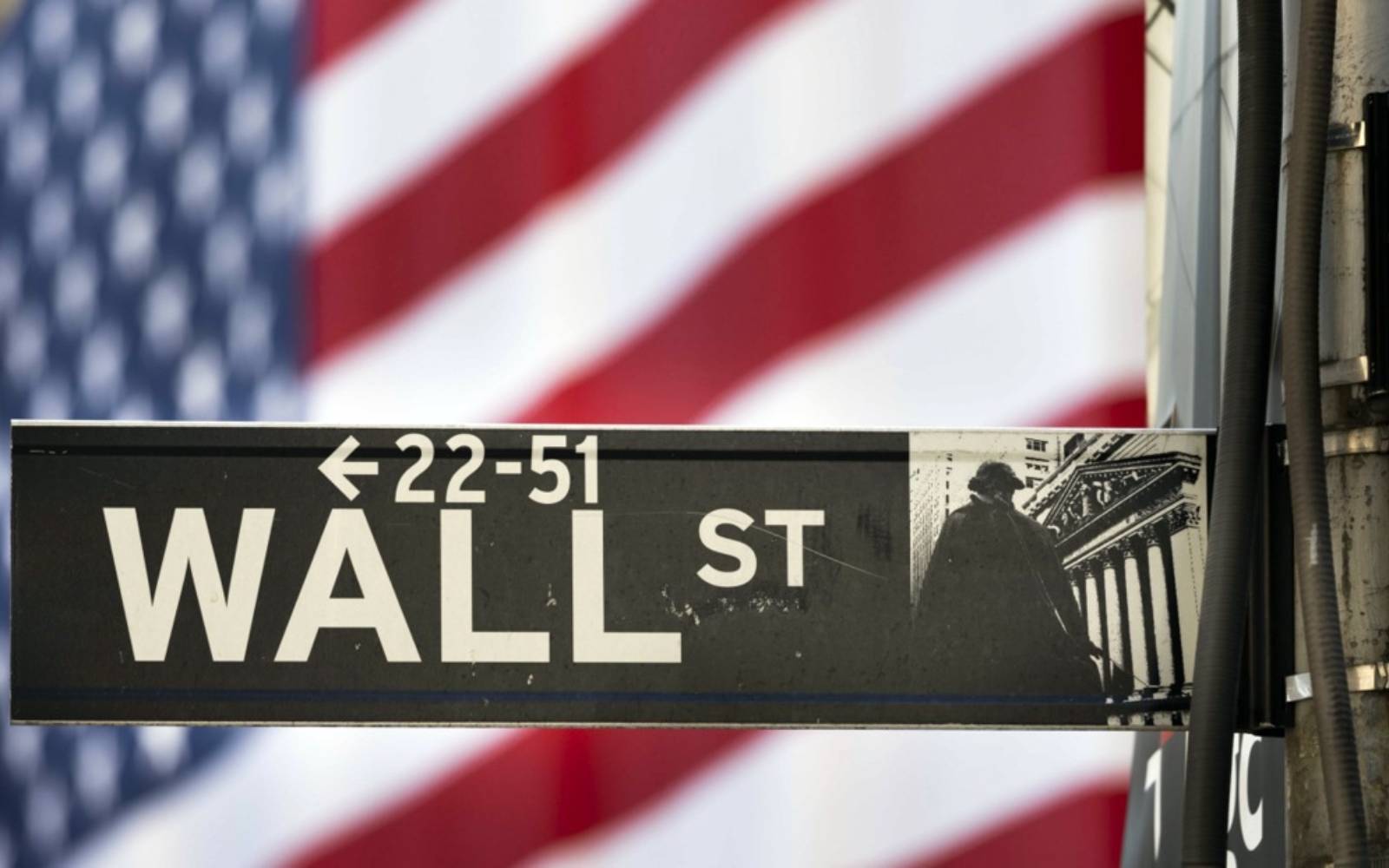
As global investors panicked over inflation fears and geopolitical tensions, bond markets saw a massive sell-off on Tuesday, causing a sharp decline in stock market performance. The Dow Jones Industrial Average dropped 0.8% and the tech-heavy Nasdaq fell by 1%, marking a red day for major Wall Street indices.
The sell-off was triggered by renewed fighting between the United States and Iran, which led to a surge in oil prices. This increase in energy costs fueled concerns about central banks having to raise interest rates to combat the rising inflation drivers. The bond market responded with a notable rise in interest rates, with the UK's 30-year bond yield hitting a 30-year high of 5.3%, while Japan's 10-year bond yield also reached a 30-year peak of 3%.
The rising bond yields and oil prices have raised concerns about the potential impact on economic growth, according to Adam Sarhan of 50 Park Investments. The situation has put pressure on the U.S. Federal Reserve, as the central bank now faces a dilemma between curbing inflation and supporting economic growth. Adam Sarhan further explained that the Federal Reserve might be forced to wait longer before cutting rates and could even need to raise them.
The growing worries about inflation and government deficits have resulted in a steady increase in sovereign bond yields, which has concerned investors about the potential impact on stocks and overall economic growth. European stocks also suffered, as eurozone inflation hit a three-year high of 3.3% in August, reinforcing expectations that the European Central Bank would raise interest rates in the near future.
Oil prices more than doubled on Tuesday due to ongoing tensions between the U.S. and Iran, with the conflict at an impasse, and both nations maintaining a counter-blockade of each other's ports. Susannah Streeter, chief investment strategist at Wealth Club, noted that supply concerns due to the ongoing conflict are once again at the forefront, causing traders to wait for key economic data ahead of the U.S. Federal Reserve's policy meeting on September 16.
Meanwhile, Asian stock markets also took a hit on Tuesday, with Tokyo, Hong Kong, and Shanghai all falling. Despite this, the U.S. dollar weakened against the yen, despite assurances from U.S. Treasury Secretary Scott Bessent that Japan would support the currency. This unexpected move has led to expectations that the Bank of Japan might tighten monetary policy during its upcoming meeting.
The recent decline in shares of fast-fashion giant Shein also contributed to market volatility, as the company made its debut on the Hong Kong stock exchange.
Written by urgent.news from Free Malaysia Today's reporting — not their text. Machine-written — may contain errors; check the original before relying on it.
This story
This is one outlet's version. Read the fullest account.
- Global bond selling, surging oil send markets lower news.rthk.hk
- Global bond sell-off, surging oil prices send markets into the red freemalaysiatoday.com