Global bond sell-off, surging oil prices send markets into the red
Investors fear an energy-driven inflation could trigger rate hikes, with tighter monetary policy hurting economic growth.
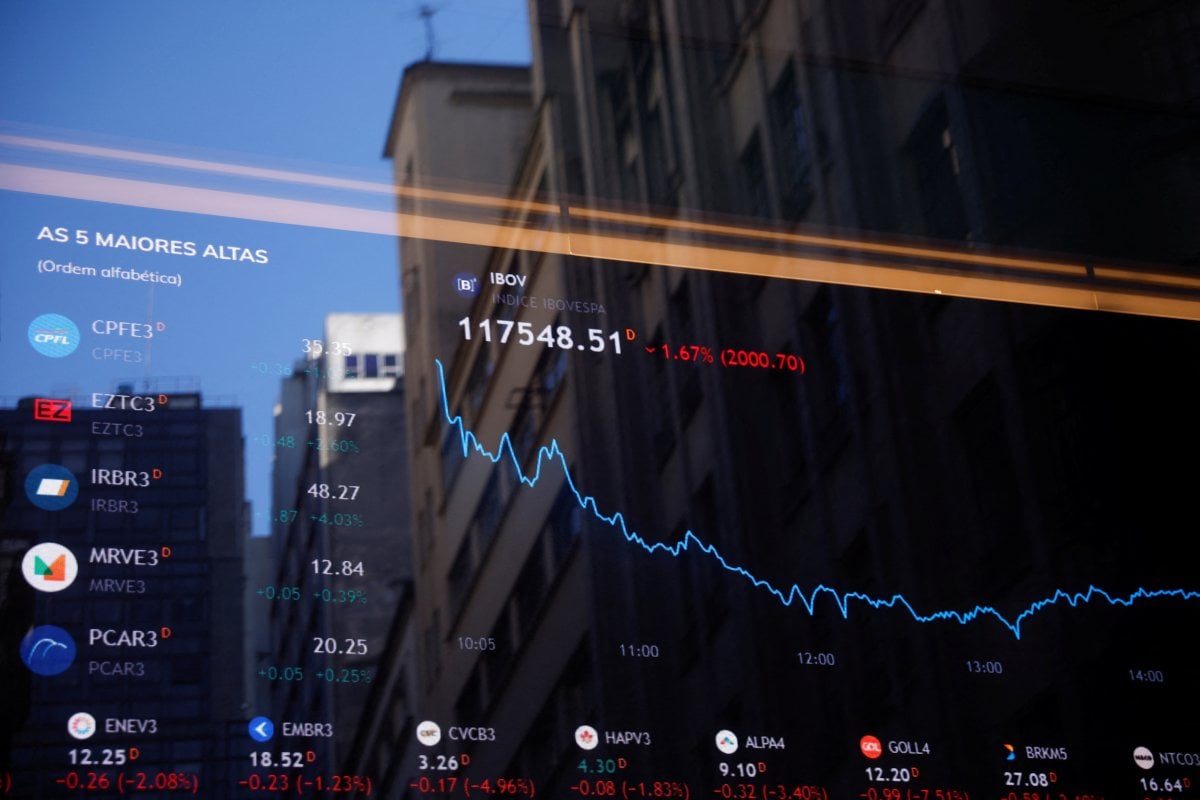
Global bond sell-off and soaring oil prices sent financial markets into a downward spiral on Tuesday. Wall Street's leading stock indices, the Dow and Nasdaq, both suffered significant losses, with the Dow falling 0.8% and the tech-focused Nasdaq down 1%. Investors grew increasingly anxious as concerns about energy-fueled inflation and the potential for central banks to hike interest rates took hold.
Efforts to sell off bonds in key nations intensified, driving up borrowing costs for governments and contributing to the market's decline.
The conflict between the United States and Iran sparked a surge in oil prices, exacerbating fears of tighter monetary policy and its potential impact on economic growth. The 30-year UK government bond yield hit a 17-year high, while Japan's 10-year bond yield surged to a 30-year high of 3%. Similar trends were observed in the United States, with the 30-year Treasury bond yield nearing levels last seen in 2007 and the 10-year yield reaching its highest point since the global financial crisis.
Adam Sarhan of 50 Park Investments noted that the simultaneous rise in oil prices and bond yields puts additional strain on the economy. He cautioned that inflation is already surpassing Federal Reserve expectations, and the escalating oil prices could further worsen this situation, potentially leading to a delay in rate cuts by the Federal Reserve or even an increase in rates.
Patrick O'Hare at Briefing.com echoed these concerns, emphasizing that investors are now grappling with fears of inflation and rising government deficits. This has resulted in a surge of sovereign bond yields, which has, in turn, raised questions about the competitiveness of stocks and broader concerns about economic growth. Wall Street's main stock indices once again closed lower, with the Dow down 0.8% and the tech-heavy Nasdaq falling 1%.
European stocks also experienced a downturn, as eurozone inflation hit a three-year high of 3.3% in August. This news further fueled expectations of an imminent interest rate hike by the European Central Bank.
Oil prices surged nearly five percent on Tuesday, driven by ongoing fighting between the United States and Iran, which resumed military action for the first time in weeks. The conflict remains unresolved, with Iran maintaining a blockade of the strategic Strait of Hormuz and the United States enforcing a counter-blockade on Iranian ports.
The specter of further U.S. action, including a possible attack on Kharg Island, a key Iranian oil export hub, has once again heightened supply concerns. Susannah Streeter, the chief investment strategist at Wealth Club, stressed that traders are now eagerly awaiting key economic data ahead of the U.S. Federal Reserve's policy meeting on September 16.
The jobs and consumer price index reports could be pivotal in determining whether the bank raises interest rates, with bets on a rate increase surging after Federal Reserve Chair Kevin Warsh delivered a hawkish speech on Friday.
Meanwhile, Asian stock markets also succumbed to the market-wide decline, with Tokyo, Hong Kong, and Shanghai all experiencing losses on Tuesday. The yen weakened against the dollar, despite assurances from U.S. Treasury Secretary Steve Bessent that Japan would support the currency. This unexpected move has prompted speculation that the Bank of Japan may tighten monetary policy when it meets this month.
In corporate news, shares in the fast-fashion giant Shein plummeted by 10% at one point during its debut on the Hong Kong stock exchange, having raised US$1.7 billion in a high-profile initial public offering.
Written by urgent.news from Free Malaysia Today's reporting — not their text. Machine-written — may contain errors; check the original before relying on it.
Also reported by 2 other outlets
- Global bond selling, surging oil send markets lower news.rthk.hk
- Global bond sell-off, surging oil prices send markets into the red freemalaysiatoday.com