Families desperately search for loved ones swept away in Nepal floods
Authorities in Nepal continued mass burials after catastrophic floods roared down high mountain valleys in a vast torrent of destruction. The death toll is now over 1,000 people, with thousands still missing. Across the border in China, which has been less transparent, officials report just 16 deaths, but nearly 550 missing. Neil Connery of ITV News reports from the disaster zone.
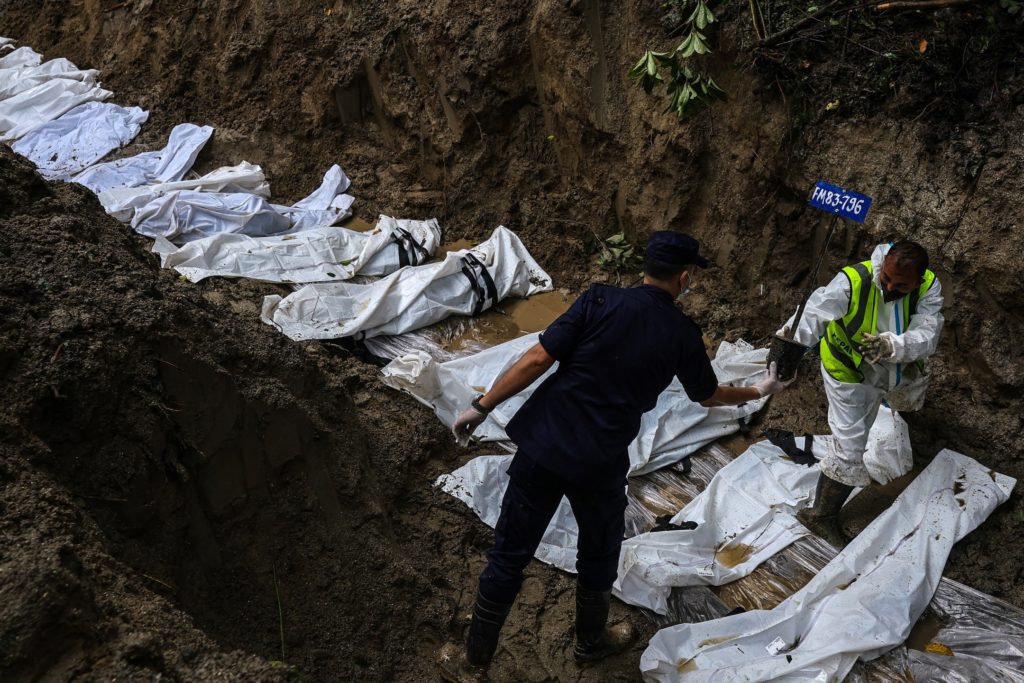
Mass burials continued in Nepal after catastrophic floods inundated high mountain valleys, causing widespread destruction. The death toll has surpassed 1,000, while thousands remain unaccounted for. Across the border in China, the death count stands at 16, but nearly 550 people are still missing. ITV News correspondent Neil Connery reports from the disaster zone in Nepal.
Pramod Poudel, a family member of victims, spoke of the grim reality - three generations of his family are missing, with only one surviving member. He grieved at his childhood home, now a desolate scene devoid of life. Pramod's wife, living in Croatia, was also among the missing, leaving him heartbroken. His father, the sole survivor, lost everything - his career, friends, and neighborhood.
Pramod is determined to search for his missing family and sought refuge in a rescue center. His father, traumatized by the experience, credits his son for saving his life. The family's harrowing eight-hour journey to rescue him brought them to tears. In the aftermath of the disaster, the Himalayas' shadow has cast a profound impact on many families, leaving them grappling with unimaginable loss.
Written by urgent.news from PBS NewsHour Science's reporting — not their text. Machine-written — may contain errors; check the original before relying on it.
This story
This is one outlet's version. Read the fullest account.
- Families desperately search for loved ones swept away in Nepal floods pbs.org
- Five Aussies found in Nepal, Tibet after floods theage.com.au
- Five Aussies found in Nepal, Tibet after floods smh.com.au
- Families waiting for news from Nepal and Tibet will feel both hope and despair – and this can change minute to minute theconversation.com
- Families cling to hope as 51 Malaysians remain unreachable after Nepal disaster nst.com.my