Families desperately search for loved ones swept away in Nepal floods
Authorities in Nepal continued mass burials after catastrophic floods roared down high mountain valleys in a vast torrent of destruction. The death toll is now over 1,000 people, with thousands still missing. Across the border in China, which has been less transparent, officials report just 16 deaths, but nearly 550 missing. Neil Connery of ITV News reports from the disaster zone.
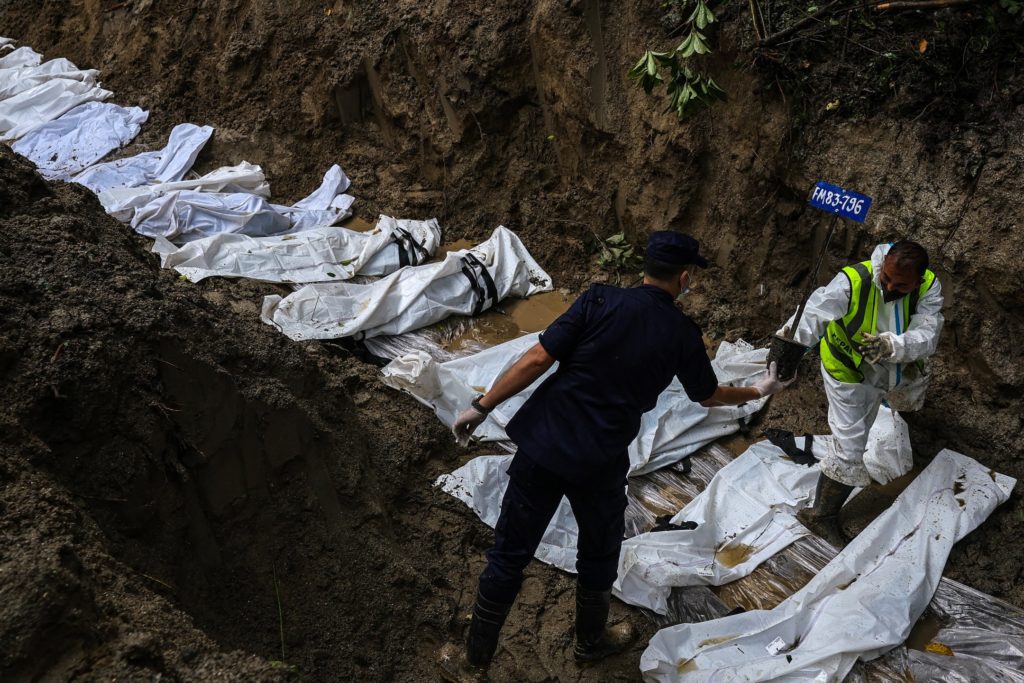
Nepal experienced catastrophic floods that swept away homes and lives, leaving families desperate for answers. Over 1,000 people have died, but thousands remain missing. Across the border in China, officials have reported just 16 deaths and nearly 550 missing. ITV News' Neil Connery reported from the disaster zone, sharing the heart-wrenching stories of families torn apart.
Pramod Poudel, a British resident, lost his mother, brother, and uncle in the disaster. He arrived back in his childhood home, now a scene of devastation, to find nothing but destruction. Pramod's wife, who lives in Croatia, is also missing. He described his mother as a loving and supportive person, while his father lost everything, including his life's earnings, family, friends, and neighborhood.
Purusottam Poudel, another victim's family member, recounted how he tried to warn his family about the approaching flood but was unable to reach them. He managed to escape by riding his motorbike uphill just in time. His son, Pramod, is his only reason to live, as Purusottam said, "I m so happy to have him. If it wasn't for him, I'd probably be dead. I stayed alive for him."
The rescue efforts were arduous, with Pramod and his uncle walking eight hours through the valley to reach his father. When they finally found him, the reunion brought tears of joy and relief. In the midst of the tragedy, Pramod found solace in being with his father, grateful to be together during this difficult time.
Written by urgent.news from PBS NewsHour Health's reporting — not their text. Machine-written — may contain errors; check the original before relying on it.
This story
This is one outlet's version. Read the fullest account.
- Families desperately search for loved ones swept away in Nepal floods pbs.org
- Five Aussies found in Nepal, Tibet after floods theage.com.au
- Five Aussies found in Nepal, Tibet after floods smh.com.au
- Families waiting for news from Nepal and Tibet will feel both hope and despair – and this can change minute to minute theconversation.com
- Families cling to hope as 51 Malaysians remain unreachable after Nepal disaster nst.com.my