Bond selloff deepens as rising energy prices stoke inflation fears
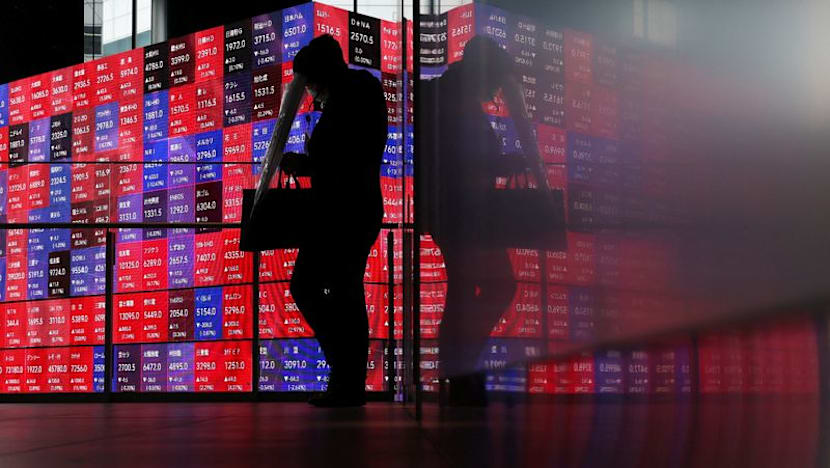
In Tokyo on September 1, bond yields soared to record highs as rising energy prices and geopolitical tensions drove inflation concerns. Japan's 10-year benchmark bond yield hit 3% for the first time in a generation, while the U.S. 10-year Treasury yield reached its highest level since early 2025 at 4.78%. Futures for French and German debt also retreated, extending losses that earlier pushed yields to 15-year highs.
Strategist Ryutaro Kimura of BNP Asset Management noted a sense of resignation about rising interest rates, which have long provided stability for global markets.
Higher oil prices and intensifying U.S.-Iran tensions are fueling worries about inflation, which is detrimental to bonds. Simultaneously, the need for higher premiums on sovereign borrowing is prompting investors to demand greater compensation for lending. U.S. and European equity futures slipped, following modest declines on Wall Street, as investors remained nervous ahead of U.S. jobs data on Friday, which could signal the beginning of an interest rate-hiking cycle.
Macro strategist Wee Khoon Chong of BNY emphasized that the combination of hawkish monetary policy, geopolitical risks, inflation, and fiscal concerns is putting upward pressure on global term premiums and long-end yields.
Markets responded to the macro mix by pricing in a likelihood of interest rate hikes in New Zealand on Wednesday and a rate increase in Europe the following week. Hikes in the U.S. and Japan are seen as probable this month. The global rise in borrowing costs has provided limited support to the U.S. dollar, with the euro holding steady at $1.1619 and the yen at 159.76 to the dollar. Preliminary inflation data will be released in Europe later on Tuesday.
Written by urgent.news from Channel News Asia's reporting — not their text. Machine-written — may contain errors; check the original before relying on it.
This story
This is one outlet's version. Read the fullest account.