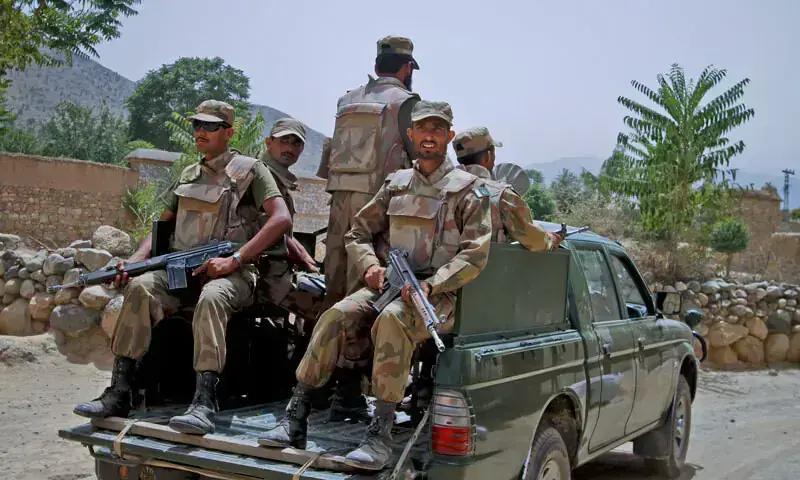
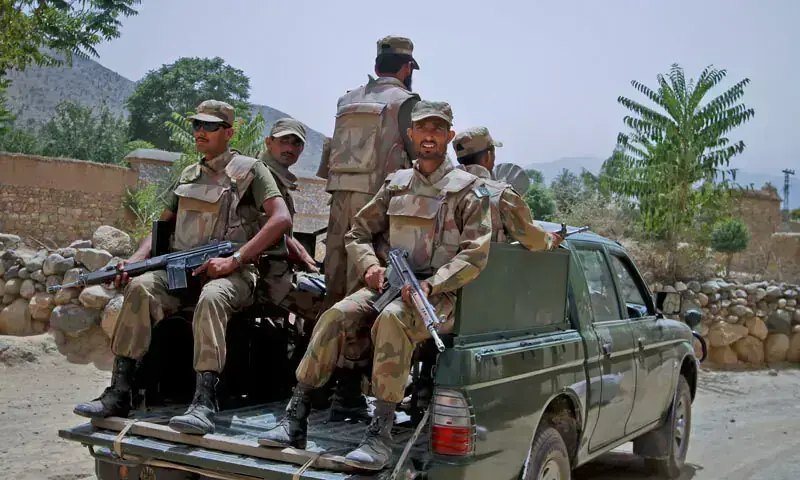
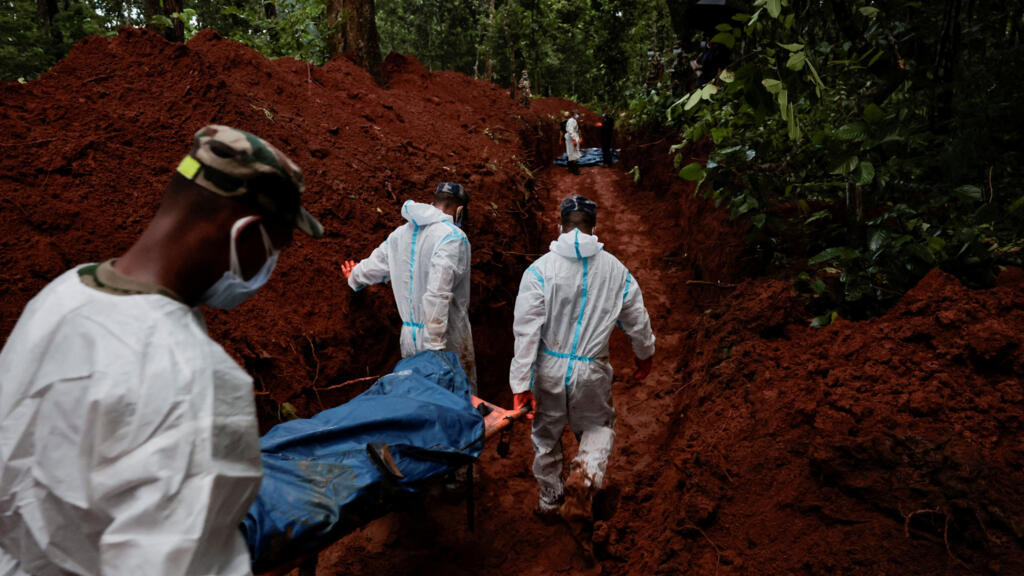
After the floods, Nepal works to bury hundreds of washed-up unidentified bodies
Nepal is burying dozens of bodies in multiple trenches as Nepal’s disaster agency said that 1,003 deaths had been counted there, with 3,916 people missing, including 583 foreign nationals. In its latest update, China reported 16 deaths and 546 missing, including 261 foreigners. Crews faced challenging conditions as they searched unstable terrain and piles of debris. FRANCE 24's Shahzaib Wahlah…
On August 26, a section of mountain near Langtang Lirung peak in Nepal abruptly collapsed, sending a massive rock, ice, and debris avalanche down the Lhende Khola river valley. The resulting flood traveled over 100 kilometers downstream, destroying numerous villages and bridges. Nearly 1,000 people lost their lives, while thousands remain missing across the Nepal-China border.
Initially perceived as a glacier collapse, emerging satellite and photographic evidence revealed a more intricate scenario—an avalanche of rock and ice rather than a simple glacier detachment. The mountain face now displays a distinct scar, delineating the residual slope from the section that failed. This incident isn't the first or the most devastating rock-ice avalanche in the Himalayas, but it will likely not be the last.
Rising temperatures due to climate change are causing the permanently frozen slopes of mountains in the region to thaw and destabilize, potentially triggering similar catastrophic events. The rugged Himalayan terrain exacerbates the disaster by providing a steep, confined path, intensifying the flow of water, rock, dirt, and ice.
A prior landslide followed the initial collapse, and a small lake has formed within the newly formed valley depression, both still posing instability risks. Understanding the Langtang collapse's dynamics can help identify parallels, such as the February 2021 rock-ice avalanche in Chamoli, India, which resulted in over 200 deaths.
The Himalayas, part of the High Mountain Asia region, are among the most climate-sensitive areas globally, with rising temperatures leading to glacier retreat, altered snowfall and rainfall patterns, and permafrost vulnerability. These changes primarily affect steep mountain slopes where fractured rock is held together by ice. When ice melts, ice-rock bonds can break, allowing water to move through long-frozen mountain slopes and bedrock, leading to sudden slope failures.
Many hanging glaciers and smaller ice masses on steep mountain slopes are at particular risk, as their rock support can collapse, causing larger avalanches or debris flows. As the climate warms, the stability of these glaciers is increasingly at risk. Predicting the next major mountain or glacier collapse is complex, but understanding the landscapes and environmental conditions associated with such failures can improve preparedness.
Recent analysis of 60 rock and ice avalanches across High Mountain Asia found that 86% began on slopes steeper than 30° and above 3,000 meters, while 65% occurred in areas with probable permafrost. Factors like earthquakes, underlying rock types, rainfall changes, and specific regional variations also influence avalanche likelihood.
To mitigate these risks, nations must collaborate on data sharing, joint monitoring, and coordinated early warning systems. Given the increasing urgency of climate change-induced disasters in this high-altitude region, new techniques, such as using drones for monitoring inaccessible areas, are crucial. Early detection through field observations, seismic monitoring, and satellite data can help save lives.
Written by urgent.news from Phys.org's reporting — not their text. Machine-written — may contain errors; check the original before relying on it.
This story
This is one outlet's version. Read the fullest account.
- Nepal floods: 163 Indians rescued, 151 leave China as India steps up rescue operations, says Centre hindustantimes.com
- Nepal floods bring 'unusual' fish to Bihar, govt warns people not to eat or sell them timesofindia.indiatimes.com
- Nepal floods push death toll above 1,000 dailytimes.com.pk
- 'We escaped by hours': Indian expats in Dubai recount anxious escape after Nepal flash floods disrupt Kailash return gulfnews.com
- Drones helped find people after Nepal floods but the search inside hydropower tunnels is a challenge news.mongabay.com
- Nepal floods a climate warning signal - foreign minister rte.ie
- Nepal's devastating floods won't be the last as the region's mountains heat up phys.org
- Briton rescued in Nepal nearly a week after deadly floods bbc.co.uk