What did Mark Zuckerberg said in his 6,500-word AI manifesto?
Mark Zuckerberg has published a roughly 6,500-word manifesto on the future of artificial intelligence, laying out a vision in which everyone gets access to a personal “superintelligence” that can help with work, health, education, business and everyday life. It is an ambitious pitch. It is also a convenient one for Meta. Zuckerberg’s central argument is […] The post What did Mark Zuckerberg said…
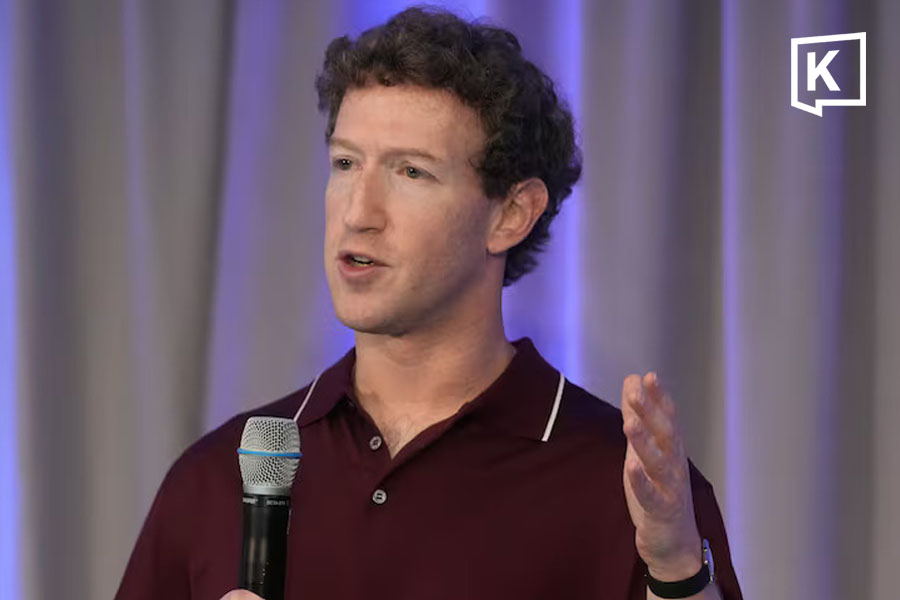
Mark Zuckerberg recently published a lengthy manifesto on the future of artificial intelligence, envisioning a world where everyone has access to a personal "superintelligence" that helps with work, health, education, business and daily life. His central argument is that the primary concern surrounding advanced AI is not just its power, but who controls it.
Zuckerberg warns against concentrating superintelligence in the hands of governments, large institutions, or a select group of experts, arguing that the safest future is one where billions of ordinary people have access to powerful AI systems themselves. While the manifesto presents many ambitious ideas, a few key themes emerge:
1. Personal superintelligent assistants: Zuckerberg predicts people will eventually have AI agents that know their goals and preferences, managing finances, careers, health, education, and more. His own AI already assists with various tasks, such as monitoring sleep, prototyping ideas, and planning family activities.
2. AI job creation: He believes AI could generate more jobs rather than replace them, leading to new products, businesses, and professions. This optimistic view assumes people will willingly share vast amounts of personal information with AI systems.
3. Balancing power: Zuckerberg acknowledges the dangers of AI but proposes that safety can be achieved through more AI in more hands. He likens this to a courtroom scenario, where if one person has a superintelligent lawyer, they have an advantage, but if everyone does, the advantage disappears. He applies this principle to cybersecurity, business, and politics, suggesting that competing AI systems should balance power against one another.
4. National importance: The manifesto emphasizes the need for the United States and other democratic countries to remain ahead in AI development. Zuckerberg argues for cooperation between frontier AI companies and the government, restrictions on advanced chips reaching rivals, and increased construction of data centers, energy infrastructure, and semiconductor capacity. However, he warns against excessive regulation, as it could slow American AI companies down and give advantages to authoritarian nations.
5. Meta's strategy: The manifesto serves as both a philosophical statement and a corporate strategy. Zuckerberg asserts that Meta will focus on providing "personal superintelligence" to billions of people, including free or affordable access. The company plans to release some open-source AI models and establish an independent board to approve safety criteria for powerful model releases. Zuckerberg acknowledges the risks of AI misuse but believes that distributing powerful tools widely will mitigate these dangers.
While Zuckerberg paints an optimistic picture of a future with widespread AI access, the manifesto also hints at potential pitfalls if assumptions about job creation, personal AI demands, and the prevention of AI-related dangers prove incorrect. Ultimately, the message is clear: Zuckerberg believes superintelligent AI is on the horizon, and he wants to ensure it is distributed broadly while Meta drives the development and infrastructure needed to deliver these powerful systems.
Written by urgent.news from Khaosod English's reporting — not their text. Machine-written — may contain errors; check the original before relying on it.
This story
This is one outlet's version. Read the fullest account.