US strikes Iran for first time in a month, Tehran retaliates
Iran's Revolutionary Guard responds by attacking US military targets in Jordan with ballistic missiles, claiming 'heavy damage'.
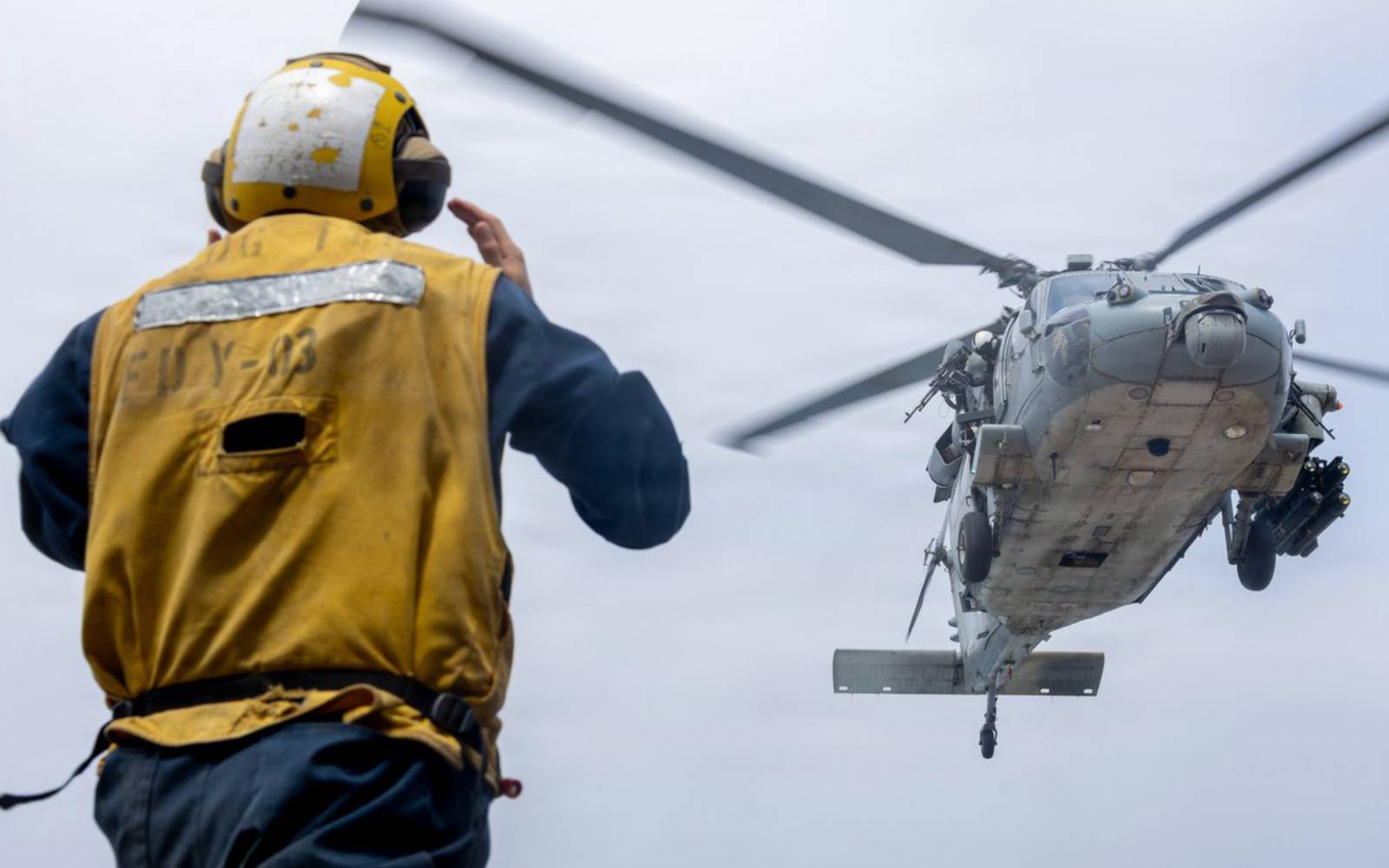
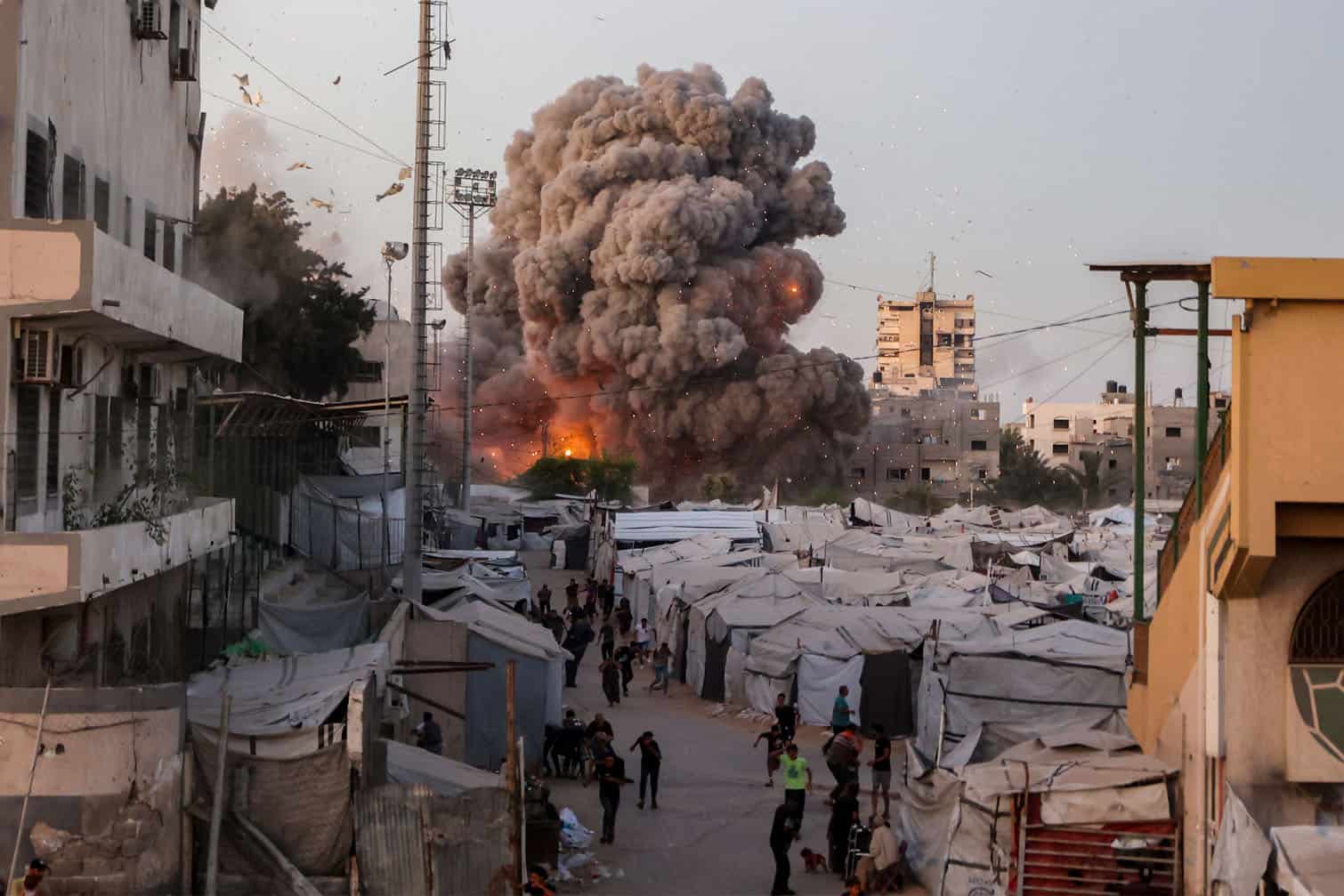
The United States initiated attacks on Iranian rocket launchers on Larak Island in the Strait of Hormuz on Sunday, marking the first such strikes in a month. This move came after the US announced the successful clearance of the waterway of sea mines. Iran's Revolutionary Guard Corps responded by launching ballistic missiles at US military bases in Jordan, causing significant damage.
The exchange of strikes unfolded shortly after the six-month-long US-Iran conflict entered a subdued phase. The US stated its objective was to deter Iran from deploying more sea mines into the strategic waterway. Prior to this, US forces had targeted two Iranian launchers on Larak Island, indicating Iran's preparation for potential rocket launches containing sea mines.
US Central Command spokesperson, Captain Tim Hawkins, noted that Iran had been actively preparing to launch rockets with sea mines into the Strait of Hormuz. The US has largely focused on economic sanctions rather than military actions against Iran. Diplomatic efforts to resolve the conflict have so far been unsuccessful, with a ceasefire agreed in April and a memorandum of understanding towards a peace deal signed in June, but no final agreement has been reached.
Despite a ceasefire, sporadic attacks, primarily around the Strait of Hormuz, continue to hamper the prospects of a lasting peace. The recent US strikes on Iran followed a retaliatory attack on July 29, in response to an attempted surprise assault on US forces in the region. In July, US Central Command conducted 13 consecutive nights of strikes against Iran.
Throughout the ongoing war, Iran has retaliated by targeting US facilities and allies in the Gulf region, including Kuwait, Oman, Saudi Arabia, and the UAE, among others. The closure of the Strait of Hormuz by Iran has led to global economic repercussions, such as increased oil prices and shortages of fertilizers and energy. Oil prices surged after the news of US strikes on Iran, with North Sea Brent crude breaching the $90 threshold and US West Texas Intermediate crude reaching $85.41.
The US war in Iran has faced significant public skepticism, especially as midterm elections approach in November, potentially altering the Republican control of Congress. Senator Jack Reed, the top Democrat on the Senate Armed Services Committee, criticized the administration's approach, stating that six months into the conflict, no objectives have been achieved and the US's position in the Middle East and globally has been weakened significantly.
Written by urgent.news from Free Malaysia Today's reporting — not their text. Machine-written — may contain errors; check the original before relying on it.
This story
This is one outlet's version. Read the fullest account.
- US strikes Iran near Strait of Hormuz in first military action in a month thenationalnews.com
- Trita Parsi on why US air strikes strengthened Iran’s hand and failed to trigger a revolt scmp.com
- US strikes Iran for first time in a month, Tehran retaliates al-monitor.com
- US strikes Iran for first time in a month punchng.com
- Middle East Live: US strikes Iran for first time in a month france24.com
- Iran retaliates after first US strikes in a month rte.ie
- US strikes Iran for first time in a month nst.com.my
- US strikes Iranian military sites to prevent mine deployment in Strait of Hormuz: Axios english.ajel.sa