Space junk punched a new hole in the moon. It’s not ours to abuse | Moriba Jah
The space industry treats the sky as a place to dump what it no longer wants. We must develop a new model of accountability On 5 August, a piece of a derelict SpaceX rocket traveling at 5,400 miles an hour met with the moon and punched a fresh hole into it near Einstein Crater . Astronomers were thrilled. The European Southern Observatory caught sodium and lithium flaring in the debris plume and…
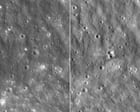
On August 5th, a discarded component of a defunct SpaceX rocket slammed into the moon's surface, creating a new crater near Einstein Crater. The European Southern Observatory detected sodium and lithium emissions from the debris plume, which they deemed a fortunate outcome. However, the incident barely garnered media attention, as it quickly faded from public consciousness.
As someone who has dedicated 20 years to monitoring the space debris generated by human activities, I am compelled to emphasize that this crater serves as a tangible demonstration of the industry's irresponsible approach to space utilization. This phenomenon represents a stark reminder of how an entire sector treats the heavens, including the moon, as an unrestricted landfill for their obsolete components, and labels such practices as "standard procedures" or "space exploration".
Written by urgent.news from Guardian Science's reporting — not their text. Machine-written — may contain errors; check the original before relying on it.