Nepal rescue teams seek hundreds of workers trapped in hydropower tunnels by deadly floods
Supported by experts from China and India, Nepal's rescue teams on Monday endeavoured to reach hundreds of workers believed to be trapped in hydropower tunnels blocked by the devastating flood of mud, water and debris that swept through the Himalayan region last week.
KATHMANDU: Nepal's rescue teams, aided by Chinese and Indian specialists, labored through the night to reach hundreds of individuals potentially trapped in jammed hydropower tunnels following a catastrophic Himalayan flood last week. The torrential downpour, triggered by a glacier collapse on the Nepal-Tibet border, triggered widespread destruction across Nepal and China, leaving nearly 800 dead and over 3,000 missing.
As bodies, many unidentifiable, were buried in shallow graves due to decomposing in the humid climate, Nepali officials emphasized the urgency of rescuing the hundreds of workers believed to be trapped inside several hydropower project tunnels blocked by mud and rock debris.
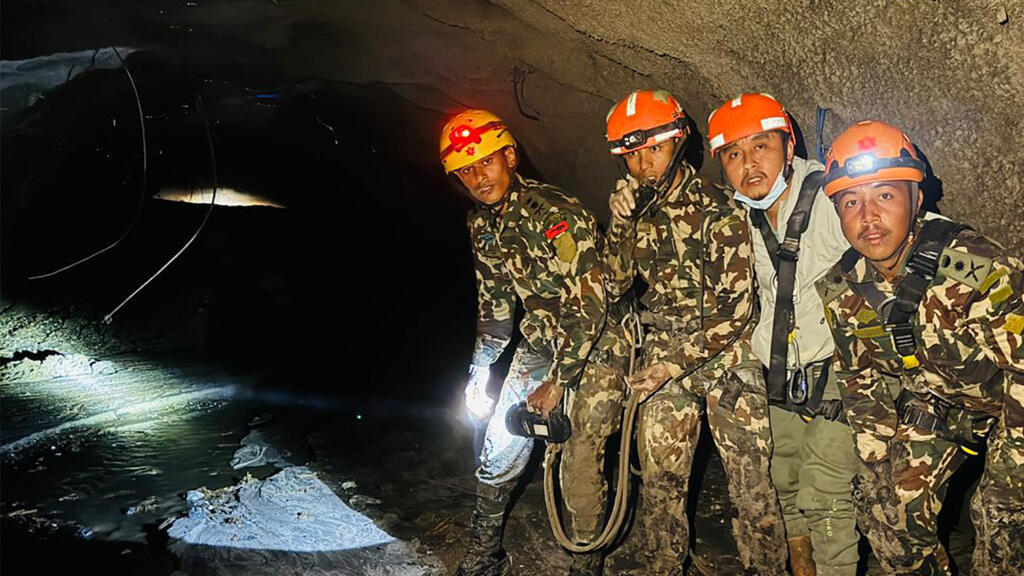
Pictures and videos obtained by rescue teams depicted machinery working tirelessly in the dark hours, while soldiers used torches to inspect one tunnel through a large pit dug in the ground. The Nepal Disaster Management Authority reported 933 people missing from hydropower projects in the disaster-stricken region. The Red Cross estimated that more than 90,000 people could have been affected by the disaster, a phenomenon China attributed to the repercussions of climate change.
A large influx of debris presented a significant challenge for opening the tunnels, according to Nepal Army spokesperson Raja Ram Basnet. The primary focus remained on clearing the tunnels. Prime Minister Balendra Shah described the flood as an "unprecedented and devastating natural disaster" and acknowledged the difficulty in assessing the full extent of the damage.
Despite adverse weather conditions and challenging terrains, Nepal deployed 21,000 security personnel, alongside civilian volunteers, to undertake rescue operations.
Nepal's authorities confirmed 788 deaths and 2,500 missing, including over 900 people from hydropower projects. On the Chinese side, authorities reported 16 fatalities in Gyirong County and 546 missing. Beijing has mobilized over 2,100 rescue workers and allocated at least 220 million yuan (US$33 million) for relief efforts. China's soldiers utilized life-detection equipment to locate the missing.
Although Nepal does not explicitly state a need for foreign assistance in general rescue and search, it has relied on China and India's expertise in tunnel rescue operations. Rescue efforts were periodically suspended due to adverse weather and concerns that a lake formed across the Nepal-China border by the disaster might trigger further flooding.
The weather improved on Monday, allowing rescue operations to regain momentum. In the affected town of Devighat, residents searched for their belongings amidst the debris, while Nepal and China debated the sharing of information on glacier risks and water levels following a meeting to enhance cooperation earlier this year.
Written by urgent.news from New Straits Times's reporting — not their text. Machine-written — may contain errors; check the original before relying on it.
This story
This is one outlet's version. Read the fullest account.
- These men had a hellish escape from Nepal’s flooded hydro tunnels. They were the lucky ones egyptindependent.com
- Desperate rescue attempts continue in Nepal to reach people thought to be trapped | First Thing theguardian.com
- Govt moves to join Nepal rescue as Malaysians remain missing after deadly floods thevibes.com
- Malaysia seeks Nepal's nod to deploy Smart team for rescue operations nst.com.my
- Race to rescue 900 trapped workers as floodwaters recede in Nepal theage.com.au
- Race to rescue 900 trapped workers as floodwaters recede in Nepal smh.com.au
- Nepal teams seek hundreds trapped in hydropower tunnels after floods sabcnews.com