Iran-Krieg: Am Persischen Golf droht ein Dauerkonflikt – wie Reeder reagieren
Erstmals seit Wochen haben die USA den Iran angegriffen. Dieser reagierte mit Angriffen auf Jordanien und die Emirate. Im Zentrum steht der Konflikt um die Straße von Hormus.
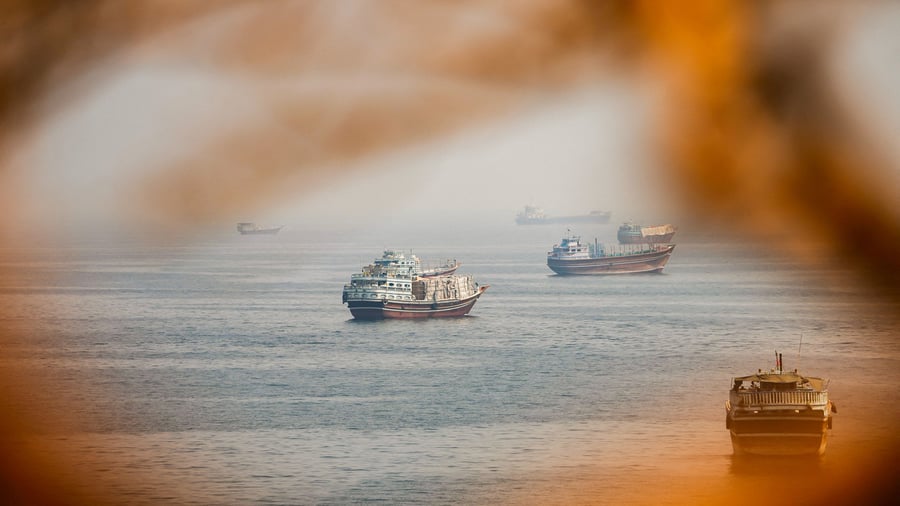
A new reality is forming in the Persian Gulf: an ongoing conflict between the US and Iran remains unresolved, with the potential to flare up at any time. On Monday night, US forces reportedly struck two missile launchers on the Iranian island of Larak, removing a threat to ships, trade and global commerce. However, Iran claims several Revolutionary Guards and civilians were killed or wounded in the attack.
US President Donald Trump also claimed the island Charg was destroyed, exporting much of Iran's oil. The oil operations continued as normal, according to Hamid Bovard, head of the state oil company. Iran shot down eight missiles on a US base in Jordan, all intercepted early Monday morning, said Jordanian forces. The attacks expanded to the United Arab Emirates (UAE) on Monday, with Iran firing dozens of kamikaze drones at a US base, the military said.
The UAE condemned the attack as a dangerous escalation, the first Iran has made against the UAE in weeks. The Iran-UAE relationship has been strained since June, when the two nations failed to agree on an intention statement to resolve the conflict. Iran wants to control the Strait of Hormuz and potentially charge for passage, while the UAE seeks a permanent corridor.
With no resolution in sight, a prolonged war appears almost inevitable. The US has imposed a blockade along the Oman coast, with more ships passing under American protection. To avoid detection, many ships turn off their AIS transponders, making them harder to track. The shipping industry faces significant risks, with 23 of Adnoc's ships attacked during the conflict.
Iran has listed 45 tankers at risk of seizure or fines for unauthorized passages. The risks are so high that some crews are refusing assignments. Reedereies offer bonuses, such as half a year's salary for a single round trip, according to Bloomberg. The uncertainty over mines adds to the tension, with western security experts warning of unidentifiable mines in the sea.
Insurance costs for blockades can reach up to seven percent of a ship's value, adding around seven million dollars in expenses for a hundred million dollar supertanker per passage. This ten dollar per barrel increase, before processing, could significantly impact oil prices.
Written by urgent.news from Handelsblatt's reporting — not their text. Machine-written — may contain errors; check the original before relying on it.