India’s move to hold IWT in abeyance breaches international law: experts
ISLAMABAD: Legal experts, diplomats and international researchers have warned that India’s decision to hold the 1960 Indus Waters Treaty (IWT) in abeyance constitute a breach of international law and pose serious threats to regional stability and security. The experts expressed these views during a webinar titled “Violation of the Indus Waters Treaty by India”, organized by the Islamabad Policy…
Legal experts, diplomats, and international researchers have cautioned that India's suspension of the 1960 Indus Waters Treaty (IWT) is a violation of international law and poses significant risks to regional stability and security. This stance was expressed during a webinar organized by the Islamabad Policy Research Institute (IPRI).
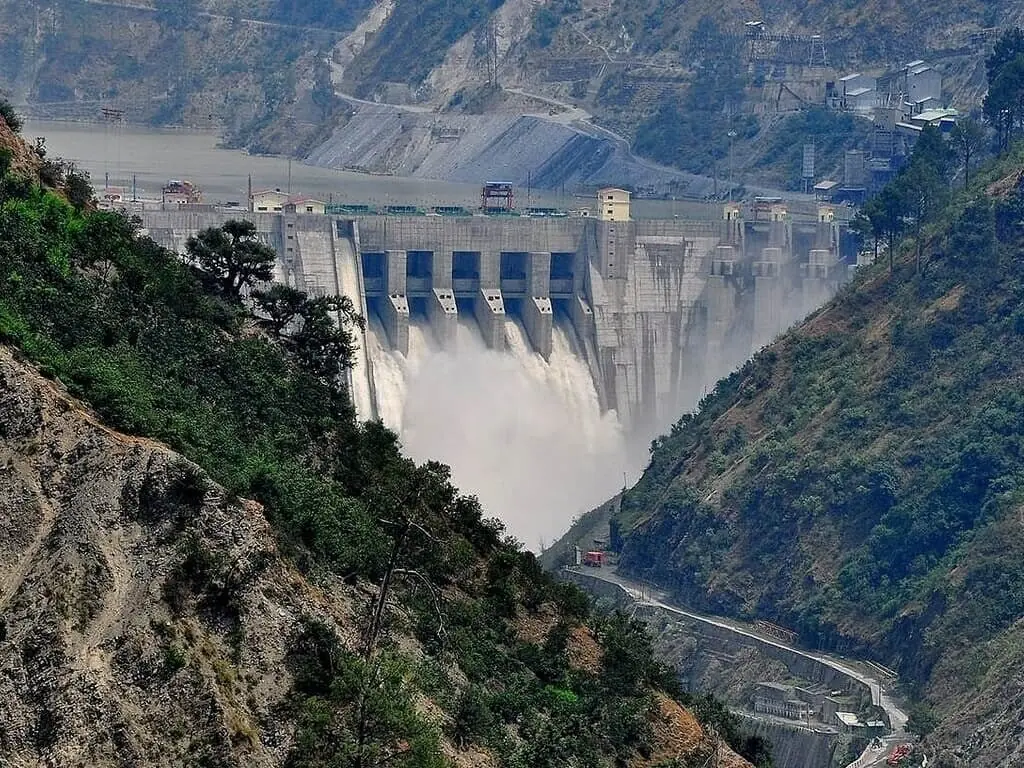
The panelists argued that the move, which coincided with the Pahalgam attack and the closure of the Baglihar Dam's sluiced gates on the Chenab River, constitutes the weaponization of water and sets a dangerous precedent for other transboundary rivers in South Asia. The researchers noted that the closure led to a significant reduction in Chenab flows into Pakistan at the Marala measuring point, threatening the livelihoods of millions of farmers in Punjab and Sindh and jeopardizing a large share of regional crops.
International law expert Ahmer Bilal Soofi emphasized that the IWT is a self-contained international agreement without any provision for unilateral suspension or abeyance, calling India's action a potential breach of treaty obligations. Advocate Feisal Naqvi discussed Pakistan's legal options, suggesting that the existing Court of Arbitration may not have the full mandate to rule on the issue and advising Pakistan to seek an authoritative advisory opinion from international legal scholars and pursue separate adjudication on the legality of India's action.
Margarida Gama, a researcher in International Politics and Conflict Resolution, characterized the Baglihar closure as water weaponization, linking it to a broader pattern of "water violence" that could impact India's other shared basins with Bangladesh, Nepal, and Bhutan. The IPRI’s leadership concluded that Pakistan must mobilize the international community to raise the political and moral costs of India's actions, reiterating that the matter is a humanitarian and security concern requiring urgent global attention.
Written by urgent.news from Business Recorder's reporting — not their text. Machine-written — may contain errors; check the original before relying on it.
This story
This is one outlet's version. Read the fullest account.