How to check if your salted green peas contain artificial colour: Try this simple test
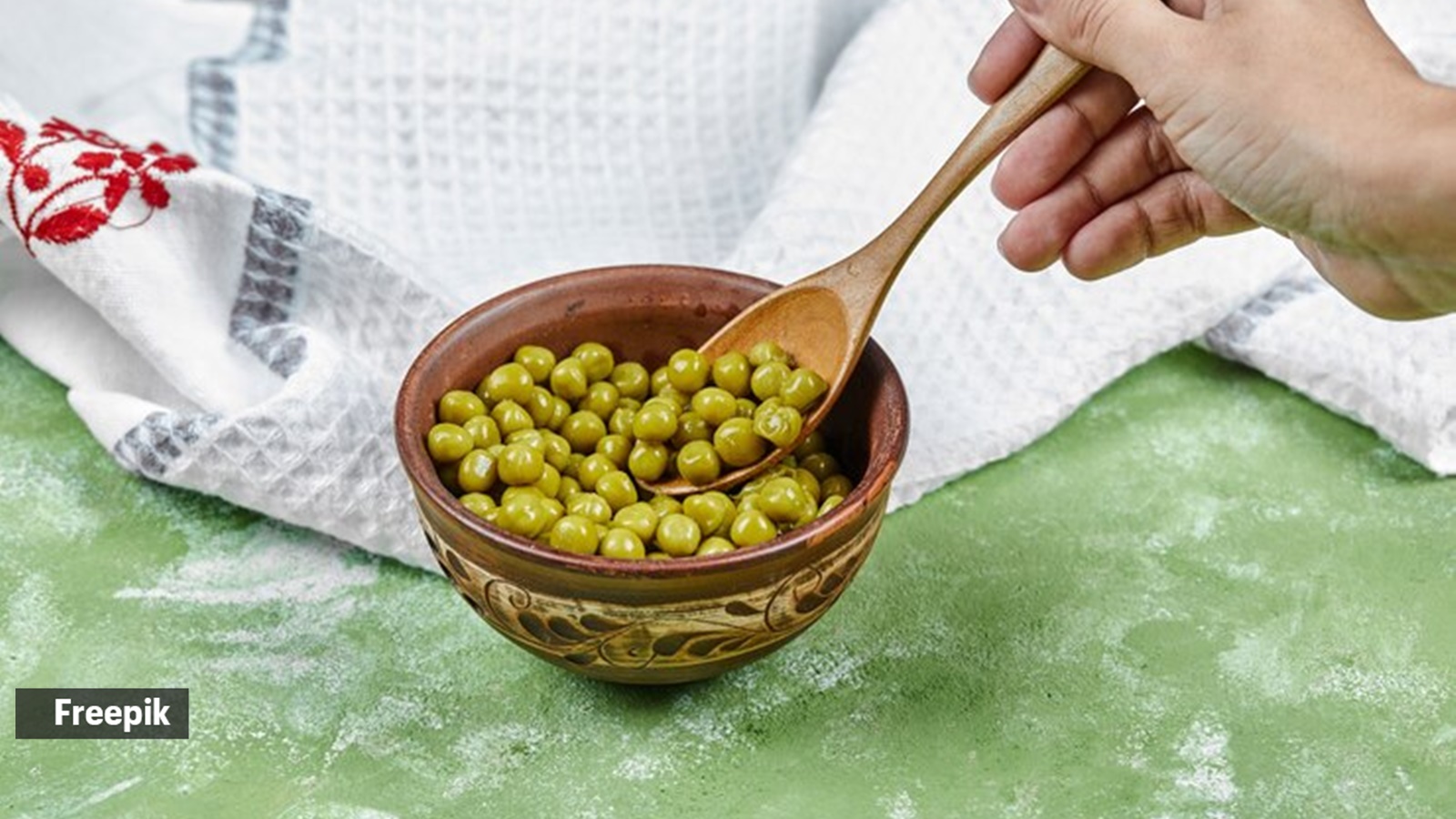
To determine if your salted green peas contain artificial colour, try this straightforward test. Simrat Kathuria, CEO and head dietitian at The Diet Xperts, explained that some commercially sold salted green peas may be artificially coloured to enhance their appearance. Kathuria warned that artificial food colours, often derived from synthetic compounds, can lead to various health issues such as hyperactivity in children, allergic reactions, and potential carcinogenic effects.
Garima Goyal, clinical dietitian, elaborated on the risks associated with these colours. She emphasized that artificial food dyes, including tartrazine (Yellow 5), Red 40, and Brilliant Blue FCF, are commonly used in processed foods to make them visually appealing. However, these colours pose risks such as allergic reactions, including skin rashes, swelling, or itching. For instance, Yellow 5 has been identified as an allergen for certain individuals.
High-sodium content in salted matar is another concern, as it can contribute to high blood pressure (hypertension) and increase the risk of heart disease, kidney problems, and stroke. The World Health Organization recommends limiting daily salt intake to less than 5 grams, but many packaged snacks often exceed this amount in a single serving.
To check for artificial colouring, Goyal suggested a simple method: put the salted peas in a glass, add water, mix well, and wait for 30 minutes. If the water changes colour to green, it is likely that the peas have been adulterated with an artificial dye.
To avoid such risks, Goyal recommended several preventive measures. Firstly, opt for natural, homemade snacks by preparing salted matar at home using dried peas, natural spices like turmeric, cumin, chili powder, or garam masala, and lightly roasting them. Secondly, when buying packaged snacks, look for brands that claim "no artificial colours" or use natural ingredients like beet juice or spinach powder, which are safer alternatives. Additionally, check for "low sodium" or "reduced salt" labels to manage your salt intake.
Goyal advised balancing your salt consumption by avoiding other high-sodium foods such as processed meats, canned soups, and packaged meals. Instead, focus on eating whole, fresh foods that naturally contain lower levels of salt. Lastly, always read food labels carefully to identify products without artificial additives and to monitor sodium content. By following these guidelines, you can reduce the risk of adverse health effects associated with artificial food colours and high sodium levels.
Written by urgent.news from The Indian Express's reporting — not their text. Machine-written — may contain errors; check the original before relying on it.